When Isa provokes the Nazis with a satirical song at her graduation party, she is denied her degree despite passing her exams. She has to give up her plan to become a teacher and, against her mother Petra's wishes, manages to perform in a political cabaret. She enjoys stage success as a singer with an accordion and falls in love with the pianist Laurenz. During the Second World War, Isa's family gets caught up in the wheels of political power and is torn apart - until, after much turbulence, the Vermehrens regain their old cohesion and accompany Isa together as she enters a convent in Bonn.
Set against the backdrop of the Troubles in Northern Ireland in the 1960's, 'Examination of Conscience' follows two brothers of questionable morals. This snapshot of their lives shows how they and their peers cope with the pressures of their time.
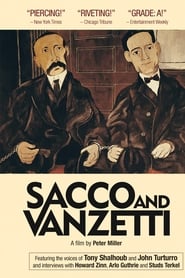
SACCO AND VANZETTI is an 80-minute-long documentary that tells the story of Nicola Sacco and Bartolomeo Vanzetti, two Italian immigrant anarchists who were accused of a murder in 1920, and executed in Boston in 1927 after a notoriously prejudiced trial. It is the first major documentary film about this landmark story.
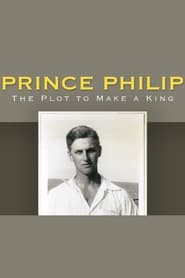
Documentary telling the inside story of the plans by Louis Mountbatten to maneuver his nephew and heir to the Greek throne, Philip, into marrying the future queen Princess Elizabeth and the tensions that that unleashed.
In the 1960s the cattle mutilation phenomenon became a widespread concern across the American west. Cases erupted around states like Wyoming, South Dakota and Colorado of livestock being preyed upon in ways that puzzled even established scientists. Today, cattle mutilations are thought to go hand in hand with mysterious objects in the skies (commonly referred to as UFOs or UAPs) and that’s what first brought indie documentary crew Small Town Monsters and investigator Shannon LeGro to the Miller Ranch in southern Colorado.
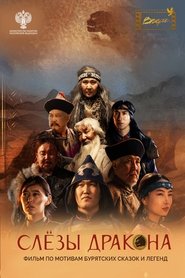
Khan Suranzan always revered the Flame Dragon and brought him gifts on the shores of Lake Baikal. But one day the dragon became angry and deprived little Galshi, the Khan's only heir, of his mind. The young man grew up kind, but stupid... The Khan decided to find a wise wife for his son, but then his enemies rose up. Both his own and others. Will Khan Suranzan cope with his enemies, will anyone love Galshi, and what is the secret of the dragon's tears?
Dangling from a high window, a young non-binary person is on the cusp of life and death. Flashes of film, literature, art (paintings) and cultural history pass them by, as if to tell a message. A postmodern treatise on connection to culture and the past.
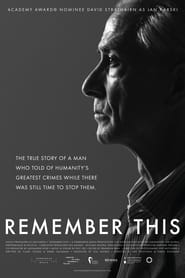
In a virtuoso solo performance, Academy Award nominee David Strathairn portrays Jan Karski in this genre-defying true story of a reluctant World War II hero and Holocaust witness. After surviving the devastation of the Blitzkrieg, Karski swears allegiance to the Polish Underground and risks his life to carry the first eyewitness reports of war-torn Poland to the Western world, and ultimately, the Oval Office. Escaping a Gestapo prison, bearing witness to the despair of the Warsaw ghetto and confronted by the inhumanity of a death camp, Karski endures unspeakable mental anguish and physical torture to stand tall in the halls of power and speak the truth.
A stubborn VCR technician quits his job at an evolving tech-solutions conglomerate to start his own small business in hopes of making a final stand to stay relevant through the changing times.
In 1570 B.C., Rome was a marsh, the Acropolis an empty rock, but Egypt was 1,000 years old. The pyramid-builders were gone, yet Egypt still awaited its New Kingdom, an empire forged by conquest and remembered for eons. EGYPT'S GOLDEN EMPIRE comes to life through letters and records evoking the passion and riches of a time when Egypt was the center of the known world, its Pharaohs called gods, and great cities, temples and tombs built.
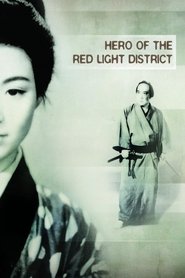
A successful textile industrialist from the provinces, who is beloved by his employees for his kindness, cannot find a wife because of a disfiguring birthmark on his face. Even the courtesans in Yoshiwara refuse to entertain him, until an indentured peasant prostitute, Tamarazu, takes the unsavoury assignment and treats him with brash tenderness.
The story behind the construction and operation of the first-ever airport on Saint Helena Island. St. Helena, a British Overseas Territory located in the middle of the South Atlantic Ocean, is one of the most isolated islands in the world. Its gross domestic product (GDP) per capita is well below that of the rest of the United Kingdom. The reduction in travel times from days to hours will hopefully create an economic boom on the island.
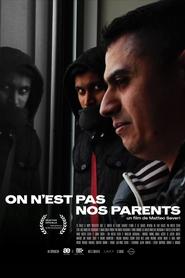
Reserved by Citroën for immigrant workers, the Aulnay-sous-Bois factory experienced its first strike in 1982. Thirty years later, it's the turn of a new generation to join the fight. Worthy heirs of their parents, the workers revive a forgotten memory and offer a unique perspective on the history of contemporary France. Matteo Severi's film mirrors these two social struggles, led by workers from immigrant backgrounds.
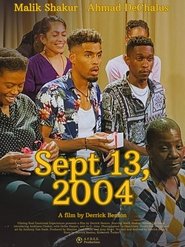
A 17-year-old kid from South Chicago coexists with his selfish foster mother. On his way to school with his best friend, they discover something that will change their lives forever.
We have detected that you are using an ad blocker. In order to view this page please disable your ad blocker or whitelist this site from your ad blocker. Thanks!