In 1980, the first march of gays, lesbians and transvestites took place in Brazil in protest against the constant police operations that took place in São Paulo, which aimed to repress these groups. Based on Renan Quinalha's doctoral thesis, “Against morality and good customs: the sexual politics of the Brazilian dictatorship (1964-1988)”, carried out by the Institute of International Relations, a series of four 5 minute videos about the birth of the LGBT movement during the Military Regime.
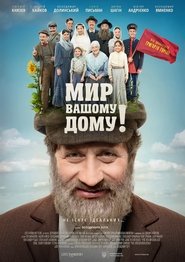
It is the early 20th century. Tevye the Dairyman lives in a small village in Ukraine. He is poor and believes that his daughters have one chance to escape poverty – a successful marriage. Tevye accepts a profitable proposition from a matchmaker, but his beautiful daughters have a different plan.
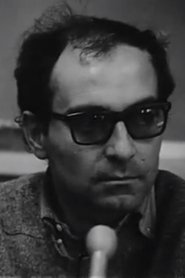
Spring 1970: Godard and Gorin, on the road, visiting colleges, speaking with Andrew Sarris, and explaining, through illustrated notebooks, their newest Dziga Vertov Group project, a film on Palestine.
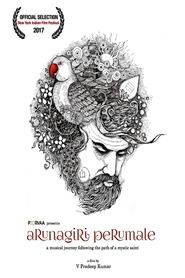
A musical documentary chronicling the life of Arunagiri Nathar, a 15th century Tamil Mystic poet-saint. 'Arunagiri Perumale' is a collection of tales narrated by a contemporary musician, whose quest to explore the 'Thiruppugazh', unvcovers deeper layers in this historical work.
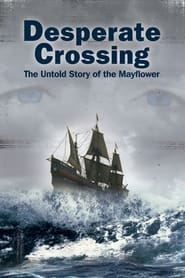
So much more than simply the story of the Thanksgiving meal, the epic saga of the Pilgrims is one of the fundamental narratives of our nation. This ambitious documentary presents the definitive history of the Pilgrims and their journey to and colonization of the New World. A marriage of feature-film quality historical reenactments with the latest scholarship and analysis of original source material, this definitive look at the Pilgrims' progress will shed light on the reality of their experience.
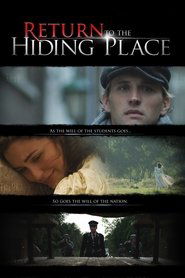
When a young resistance fighter witnesses atrocities towards the Jews, he's drawn into a web of espionage and clandestine activities. When he meets a young physics students and resistance journalist - Hans Poley - they embark on a hunt through underground tunnels, Gestapo hijacks and daring rescues.
The murder of Dutch filmmaker Theo van Gogh by an Islamic extremist in 2004, followed by the publishing of twelve satirical cartoons depicting the prophet Mohammed that was commissioned for the Danish newspaper Jyllands-Posten, provides the incendiary framework for Daniel Leconte's provocative documentary, It's Hard Being Loved by Jerks.
An original documentary, this film contains previously classified footage provided by the Defense Department. Included is an exclusive on-camera "host" appearance by General Colin Powell, actual archival and pictorial footage, interviews, narrative with celebrities and key military personnel and the returning home after Desert Storm.
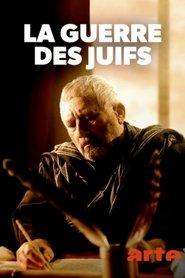
In the first century, after the death of Herod the Great, Judea goes through a long period of turbulence due to the actions of the corrupt Roman governors and the internal struggles, both religious and political, between Jewish factions, events that soon lead to the uprising of the population and a cruel war that lasts several years and causes thousands of deaths, a catastrophe described in detail by the Romanized Jewish historian Titus Flavius Josephus.
Based on a novel of Segio Atzeni. By a lot of interviews, usualy contradictory, it discovers the many lifes of Tullio Saba, a Sardinian miner, thief, singer, union organizer, rebel...
1967 - the year when Sweden moves to the right, at least in traffic. Maharishi Mahesh Yogi - The Beatles' favorite guru visits Skåne and talks about meditation. The Fåglum brothers receive a feat medal and the fight for space continues. Jimi Hendrix is coming to visit and in December it's time for the Christmas calendar: Teskedsgumman!
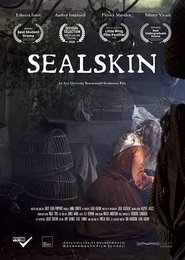
When Tara is denied her freedom and finds a sealskin hidden by her father, she must decide whether to use it to escape herself, or give back the gift to her mother.
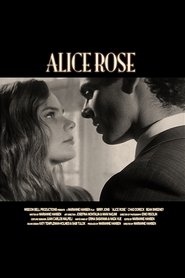
A damsel in distress agrees to run away with her wealthy lover in order to escape from her abusive husband. But all is not as it seems in this 1940s film noir.
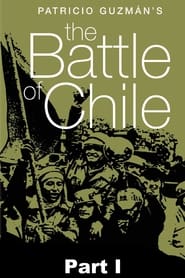
The chronicle of the political tension in Chile in 1973 and of the violent counter revolution against the democratically elected government of Salvador Allende.
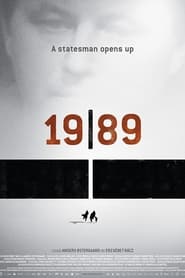
Anders Østergaard’s film is an investigative look at the year the Berlin Wall fell, documenting the events that took place in Hungary as a prelude to the dramatic changes in November 1989. The director recreates the events and leads the audiences deep into the politicians’ secret meeting rooms by using a mix of interviews, archive material and reconstructed scenes and dialogues.
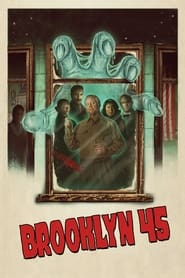
Five military veterans, best friends since childhood, gather together in a Brooklyn brownstone several months after the end of World War II, and the metaphoric ghosts of their past become all-too-literal.
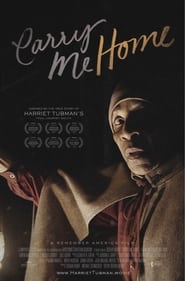
In the cold winter of 1860, a young mother trapped in slavery seizes the opportunity to escape with her family when she encounters HARRIET TUBMAN (Karen Abercrombie, War Room). Harriet leads the young family through a number of trials on the Underground Railroad, causing them all to question whether or not freedom is worth the price they must pay to obtain it.
Between June 1940 and March 1943, the 1,200 kilometer long demarcation line broke France in two. For almost three years she controlled the daily newspaper of 40 million French people. In the north the zone occupied by Hitler's soldiers, in the south the zone administered by Marshal Pétain's Vichy regime. This film lifts the veil in this theater on the shameful mistakes of the collaboration, but also on the most courageous and noble deeds. Archive images and film recordings at places where the border used to be crossed are alternated with interviews with the last witnesses of this time.
The story of Brazil’s first emperor, returning to Europe on board the English ship Warspite. The trip makes Pedro conquer his fears and face his life from a personal point of view. He goes back in time and relives outstanding moments of his earlier life – since his childhood, when in 1808 he arrived coming from Portugal with his family, until he left in the dead of the night, in 1831, running away from Brazil.
We have detected that you are using an ad blocker. In order to view this page please disable your ad blocker or whitelist this site from your ad blocker. Thanks!