After the atomic obliteration of Hiroshima and Nagasaki, over 36,000 Australian men and women, part of the British Commonwealth Occupation Force (BCOF), marched onto Japanese soil. They were assigned the toughest and most dangerous area of Japan: Hiroshima Prefecture, which included the atom-bombed city. The Forgotten Force tells for the first time the story of Australia's role in Japan. Rare archival and private footage, photographs and eyewitness accounts from both sides vividly recreate the atmosphere of post-war Japan - the horror of Hiroshima and its aftermath; the struggle to build a new "democratic" society while under the heel of military rule; the growth from suspicion and fear to friendship and trust between foes.
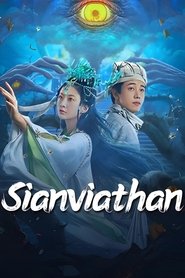
In the late years of the Sui Dynasty, chaos reigned across the land. On the tenth day of the third month of the fourteenth year of Daye, a mutiny broke out in Jiangdu, Emperor Yang was killed, and the divine beast Kui Ox was left ownerless. Rebel forces from all directions and local powers mobilized to Jiangdu in search of the legendary divine sword that could subdue the Kui Ox. A scholar journeyed to Jiangdu for the imperial examination and, by twist of fate, arrived at the mysterious Caohang Ferry Inn. Within the small inn, there were aspiring scholars like him who possessed ambitions but were scattered across the world, as well as a delicate and enigmatic mute woman, and seemingly unreliable free-spirited martial artists.
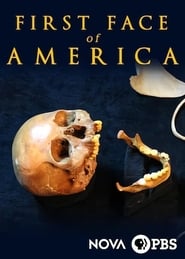
During risky expeditions in an underwater cave in Mexico, scientists unearth the skeleton of a 13,000-year-old prehistoric teenager to gain insight into the earliest known humans in America.
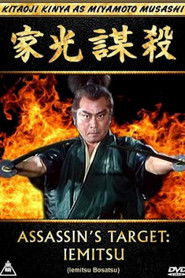
A vicious plot that would change the course of Japanese history is set in motion when assassins conspire to kill Iemitsu, the third shogun of the Tokugawa dynasty. Things heats up as Iemitsu plans a journey across Japan where assassins lie in wait. Working with elder statesman Okubo Hikozaemon is Musashi Miyamoto who wants to unravel the mystery of who is behind this plot and things heat up further when some of them are the greatest swordsmen in the land!
The rapier wit is not only for playful bantering between a couple but also for fighting justice. Famed attorney Sung Sai-kit (Ma Si-tsang) is best known for his sharp pen and silver tongue. His wife Madam Tong (Hung Sin Nui), sympathetic with a wronged widow, tries every trick up her sleeve to get her husband to help. Ma is funny and lovable who morphs from the henpecked husband to the brilliant and shrewd attorney at court, he displays perseverance behind his devil-may-care and nonchalant attitude, even Stephen Chow reincarnated his persona in the 1992 version.
In 1918 Tsar Nicholas II of Russia, his wife, son and four daughters were summarily assassinated. In 1992 the bodies were unearthed only to discover that the remains of two family members were missing - Alexei and Anastasia. Persistent rumors of Anastasia's escape have circulated after her death. This documentary examines the possibility that Anastasia may have survived the brutal assassination.
Using government documents, archive footage and direct interviews with activists and former FBI/CIA officers, All Power to the People documents the history of race relations and the Civil Rights Movement in the United States during the 1960s and 70s. Covering the history of slavery, civil-rights activists, political assassinations and exploring the methods used to divide and destroy key figures of movements by government forces, the film then contrasts into Reagan-Era events, privacy threats from new technologies and the failure of the “War on Drugs”, forming a comprehensive view of the goals, aspirations and ultimate demise of the Civil Rights Movement…
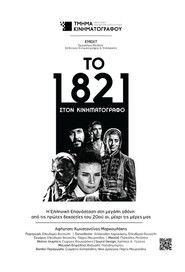
In 1821, in Cinema, he records the cinematic representations of the Revolution from the first decades of the 20th century. until the present day. Despite the fact that the Revolution of 1821 constitutes the founding act of the modern Greek state, as a subject matter it is underrepresented in national film production. This is one of the points on which the research looks, which simultaneously examines the periods of concentration of films on the subject of the Revolution or, respectively, the periods of its collective silence. The purpose of the documentary is to study the ideological discourse and the cinematic language of the films with the theme of 1821, in order to highlight the function of the cinema as a carrier of Public History and as a factor in shaping the collective historical consciousness.
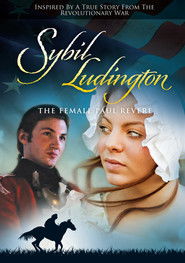
This film is inspired by the true story of sixteen year-old Sybil Ludington, who courageously rode over 40 miles through a stormy night to save New York during the Revolutionary Wary. Sybil is historically known as the “female Paul Revere” and is a wonderful example of courage and faith. Through this film we find the story of her family, neighbors, and friends, as they face the dynamics of the Revolution and lived their lives with courage, faith, and determination. This inspiriting story touches the lives of those who embrace it, as Sybil embraces her brothers and sisters and confronts the challenges before her. She stands courageously and boldly with determination, with her father, Col. Henry Ludington, as he faces the “price on his head” by the British. A movie that will inspire your family and the youth of today and go after everything before them with determination and courage.
They made the first films about the king of animals, the pygmies of the Ituri forest, the first aerial photographs of Mount Kenya and Kilimanjaro... "Lovers of Adventure" recounts the incredible lives of Martin and Osa Johnson, who, in the first half of the 20th century, opened millions of Americans to the unknown.
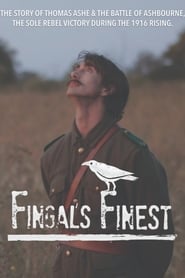
Fingal's Finest tells the extraordinary story of Thomas Ashe & the 5th 'Fingal' Battalion, Dublin Brigade of Irish Volunteers during the 1916 Easter Rising in Ireland. Largely forgotten by history, and by those who tell the tales of the 1916 Rising, the Fingal Volunteers did not lie in wait for the British Army to attack them in the buildings of Dublin City. Instead, they took the fight to their enemy in North County Dublin and Meath, which culminated in the only successful engagement for the rebels during those fateful six days in Easter Week, 1916, when they defeated a superior force of Royal Irish Constabulary at the Battle of Ashbourne.
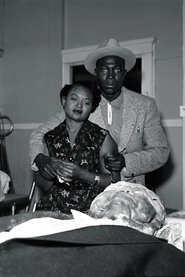
Emmett Till was brutally killed in the summer of 1955. At his funeral, his mother forced the world to reckon with the brutality of American racism. This short documentary was commissioned by "Time" magazine for their series "100 Photos" about the most influential photographs of all time.
The Billion Dollar Bubble is a 1976 film made for the BBC series Horizon and directed by Brian Gibson about the story of the two billion dollar insurance embezzlement scheme involving Equity Funding Corporation of America. The movie stars James Woods in the role of the actuary.
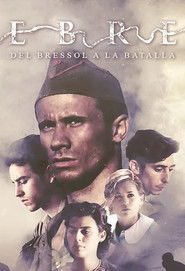
In 1938 the Spanish Civil War has worn both armies and destroyed the mood of the people of both sides. The differences between national Republicans however are revealing: The fascist side has the unconditional support of arms and men facilitated by Hitler and Mussolini while the Republican army is ignored by a Europe more concerned of a possible World War than the fate of Spain. Thousands of young people between 17 and 18 rows are called by the republican army. These are the main characters, four young for whom the Battle of the Ebro will be the first direct contact with the war. This film tells the story of these young people forced to leave behind innocence and into whistling bullets.
We have detected that you are using an ad blocker. In order to view this page please disable your ad blocker or whitelist this site from your ad blocker. Thanks!