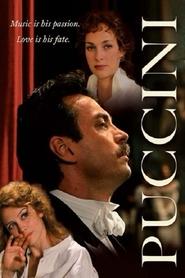
Giacomo Puccini, the son of a Tuscan organist, achieves world-wide recognition as a composer of operas and dies from throat cancer in the middle of an artistic crisis, at the age of just sixty-six.
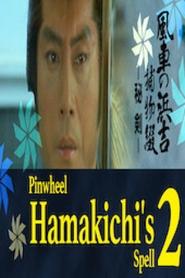
Hamakichi, who used to be a detective is now a toy merchant. His former boss has a grudge against the Yakuza family, which leads to the murder of a policeman in Edo. This places Hamakichi between the rock and a hard place.
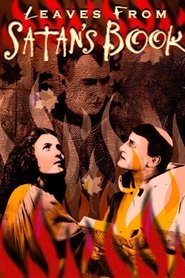
The power of Satan is highlighted in four historical tales: the betrayal and subsequent arrest of Jesus, the Spanish Inquisition, the French Revolution and the execution of Marie Antoinette, and the Finnish War of Independence in 1918.
In this alleged retelling of Lincoln's early life, the President-to-be is rescued by Henry, a Black man and freed slave who has lost his papers. Locals with a grudge against Lincoln and a hatred of African-Americans frame Henry for stealing, and it's up to Lincoln to defend the man and find the vital clue that will set him free.
During the Homeland War (1991-1995) Croatia was devastated with estimates ranging from 20-25% of its economy destroyed. Tens of thousands were killed and many more were left homeless. Through the voices of common people, Homecoming tells a story about the raise of a small, invisible Balkan country with enormous natural and human beauty from the ashes of terror; the country which still bears the scars, both physical and psychological, of the conflict during the War of Independence. It reflects upon a part of history that, although can never be changed, has molded and influenced a generation in a positive way.
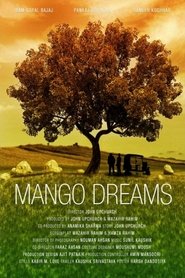
A Hindu doctor with dementia and a Muslim auto rickshaw driver form an unlikely friendship as they cross India in search of the doctor's childhood home.
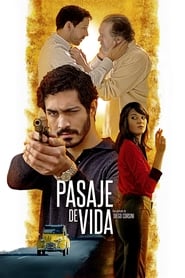
In the present, in Spain, Miguel's mind, affected by a brain disease, seems cloistered in the past, in Argentina, in the seventies, when he risked his life for his ideals. He is obsessed with finding a woman named Diana. Mario, his son, who has been away from Miguel for a long time, now feels compelled to unravel the mystery of a name that, like a curse, pursues his father.
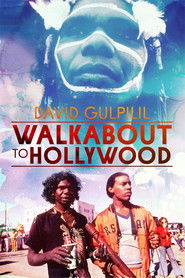
Produced and directed this documentary for BBC in the 1980’s, about David Gulpilil, acclaimed Australian Aboriginal actor, dancer and musician. The film shows how Gulpilil is always working to bridge the gap between the tribal Aboriginal and Western worlds. He divides his time between a traditional tribal lifestyle and his artistic work, which has included major film roles, collaboration with contemporary dance and music groups and teaching Aboriginal dance and culture. Bill and David travel to Hollywood where David was the most popular Australian in the world at that time, with FOUR films playing in America – WALKABOUT, STORM BOY, THE LAST WAVE and MAD DOG MORGAN. After relating to both the black and native American cultures and filming a quick scene for a big Hollywood picture, he pines to head back through the Outback to his beloved Arnhem Land. Edited by Simon Dibbs and shot by Ray Henman.
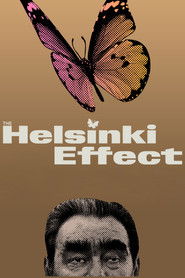
The Conference on Security and Cooperation in Europe (CSCE) was the starting point for the slow but sure collapse of communist authoritarian rule in Eastern Europe. The Helsinki Effect offers new perspectives on the events of the Cold War. The film tells the story of the CSCE process, which had a major impact on the end of the Cold War, and sheds light on secret top-level discussions behind closed doors, through voice simulations using artificial intelligence.
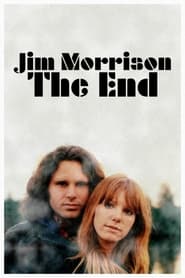
Paris, Rue Beautreillis, July 3, 1971. The corpse of rock star Jim Morrison is found in a bathtub, in the apartment of his girlfriend Pamela Courson. The chronicle of the last months of the life of the poet, singer and charismatic leader of the American band The Doors, one of the most influential in the history of rock.
In Jimpachi Kodera's household, young samurai Keishiro Kanie arrives, captivating Jimpachi's wife, Shoko, despite his initially arrogant demeanor. Keishiro introduces himself while Shoko is cleaning, and she recalls her husband mentioning a visitor, reluctantly preparing a meal for him. Frustrated by Jimpachi's silence about Keishiro, Shoko confronts him, but he remains tight-lipped, further irritating her. As Keishiro addresses Shoko as "Okami" (landlady) and speaks informally with Jimpachi, his innocent and unpretentious nature gradually wins Shoko over. Despite initial irritation, Shoko is drawn to Keishiro's kindness and dependability as they spend more time together.
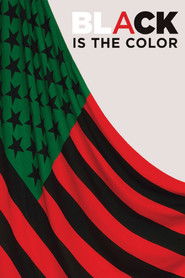
Black Is the Color highlights key moments in the history of Black visual art, from Edmonds Lewis’s 1867 sculpture Forever Free, to the work of contemporary artists such as Whitfield Lovell, Kerry James Marshall, Ellen Gallagher, and Jean-Michel Basquiat. Art historians and gallery owners place the works in context, setting them against the larger social contexts of Jim Crow, WWI, the civil rights movement and the racism of the Reagan era, while contemporary artists discuss individual works by their forerunners and their ongoing influence.
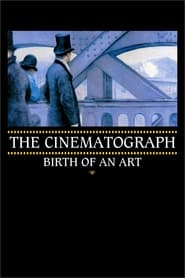
Throughout the 19th century, imaginative and visionary artists and inventors brought about the advent of a new look, absolutely modern and truly cinematographic, long before the revolutionary invention of the Lumière brothers and the arrival of December 28, 1895, the historic day on which the first cinema performance took place.
We have detected that you are using an ad blocker. In order to view this page please disable your ad blocker or whitelist this site from your ad blocker. Thanks!