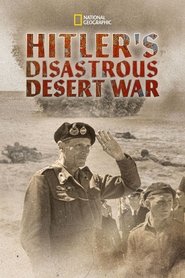
When the British army looks set to defeat Mussolini’s Italian forces, Hitler sends reinforcements; the Afrika Korps led by General Rommel. The Desert Fox is on winning form until Montgomery, the British commander, sets up a plan to crush his opponent. After the American landing in North Africa, the Axis armies have no choice but to surrender and put an end to the Desert War.
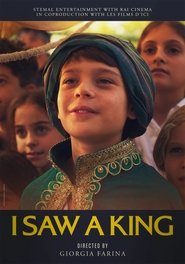
1936, in the aftermath of the Ethiopian occupation by Fascist Italy, under the incredulous gaze of the inhabitants of the small town in the Italian province Abraham Imirrù, an ethiopian prince and guerrila fighter is being held prisoner in the local Podesta garden's aviary. But for little Emilio, local recently force enlisted and reality-dissociated Balilla, he is Sandokan, the literal Salgari's character ...and he will be his hero.
Kari and Onia meet in Cannes, experiencing love at first sight. Upon returning to Sakartvelo, they are quarantined in different hotels in the midst of the COVID-19 pandemic. They stay in touch via phone calls and video chat. Kari teaches Onia Caucasian Yoga breath training and they travel in past to meet a variety of Georgian historical figures during their important life events, in order to understand the wisdom and limits of love.
The story of the Bugattis of Milan and Molsheim, the eccentric family behind the brand: Carlo, the patriarch and furniture designer; Rembrandt, the troubled sculptor; Ettore, the gifted engineer; Jean, the unfortunate heir. Art and design. Beauty and luxury. The fastest cars. Races. The need for speed.
An ancient church is being dismantled and moved to a new location, stone by stone. One of the gargoyles from the stones falls into the possession of a mother who takes the stone man back to her family. Soon after, four strangers show up in the village and the Sogood & Firkettle children seem to be the only ones who question the mysterious things that begin to happen. This film was originally broadcast across six 25 minute episodes with a total runtime of 150 minutes. A few years later, the US cable network Nickelodeon edited the miniseries into a 2 hour (including commercials) movie block. This 2 hour edited version was shown throughout the 1980s on US television.
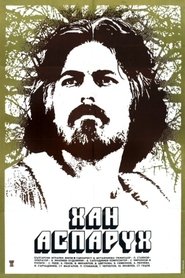
This is an epic screen presentation showing the creation, the consolidation and the power of First Bulgarian Kingdom and the first Bulgarian ruler Khan Asparuh. The second part of the great historical epic - "The Migration" - tells about the long journey to the land of the Bulgarians of today's Bulgaria. Here the young Khan Asparukh laid the foundations of the new state. The authors adhere to the established historical versions for this event. The film builds on the impressive mass scenes and the convincing served psychological characteristics of the main characters. The image of Asparoukh is a natural center of the story, in which many minor persons recreate the environment of the Khan. Romantic exalted, Asparukh is shown as capable leader of the people, consistently implement his own ideas.
As locals are gearing up for Christmas festivities, a devastating cyclone is brewing in the Arafura Sea. Feeling dragged down by sleepy domestic day-to-day life, Morris dreams of a life elsewhere filled with adventure. Meanwhile, Gregory, a meteorologist of the Darwin Weather Bureau, is content with his steady-paced lifestyle. Both, along with their loved ones, have their worlds turned upside down when Tracy rears her head and devastates the city on Christmas Day. The film culminates with individuals collectively triumphing over tragedy in the face of one of nature's most formidable forces.
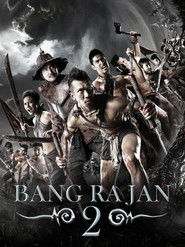
Inspired by the Bang Rajan warriors who did not give up hope in their battle against the Burmese invaders, a group of villagers form a guerrilla unit to battle their enemies.
We have detected that you are using an ad blocker. In order to view this page please disable your ad blocker or whitelist this site from your ad blocker. Thanks!