Eli Timoner, a dedicated husband, father, and entrepreneur who founded the airline Air Florida in the 1970s, decides to medically terminate his life. During the 15-day waiting period, the bedridden but sharp-witted Eli says goodbye to those closest to him and helps them prepare for his departure. While his loved ones look back on Eli’s successes and devastating blows, they struggle to reconcile his choice.
In the 1960’s, surf music was born in southern California and quickly became a global cultural phenomenon. From the original pioneers to those who revolutionized it, surf music’s influence helped to shape an entire generation. Journey back in time with original music, rare archival footage, personal photo collections, and exclusive interviews from surf music legends and their fans.
A "best of" compilation of live clips of various ASSJACK shows taped live at Alley Katz in Richmond, VA from 2003 - 2006 and clips of 1 show from May 2005 at Bluecats in Knoxville, TN. Special cameos by Dancing Outlaw Jesco White, Randy Blythe from Lamb of God and Chris Arp from Psyopus.
Three young ladies perform yoga without clothes in the open air of Cyprus. Another does the same in a studio. These visuals are interspersed with images of Eastern art, processed for "psychedelic" effect. The narrator relates the practice of yoga to Buddhist philosophy. Preserved by the Academy Film Archive in partnership with British Film Institute in 2012.
Wild sex, fetish, and kink culture has never been so prevalent in the mainstream. Sex work is all over social media, musicians use kink as an aesthetic, and porn stars are becoming celebrities. This commodification is trying to water down and hijack what is a truly rebellious and alternative scene for the sexual misfits of society. As the astroturfed mainlining of girl boss fetish content spreads, there exists another world that stays true to the origins of extreme kink / fetish culture. Specifically in Britain, a more underground and loosely connected scene is thriving. They want to keep kink raw and real. These people, however, are being derailed by new laws and thieving creators. Away Days spent months exploring this sexual fetish underground. This will shock you.
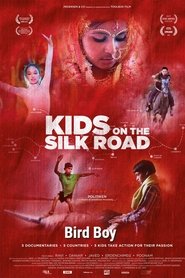
When 12-year-old Reshat looks around him, he sees the oil fields of Azerbaijan. When he looks up dreamily, he sees pigeons flying to heaven. He misses his father, who died a year ago, and who also loved these birds. Reshat cautiously approaches the best pigeon keeper in the village. Will he teach him to train pigeons? His father taught him that he should be kind to birds, because souls fly to heaven on their wings. While Reshat is learning all about pigeons, he discovers what he really wants. Part of the "Kids on the Silk Road" documentary project.
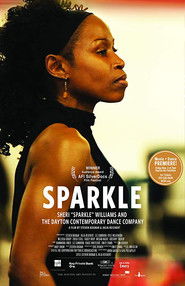
Sheri "Sparkle" Williams has been a star dancer with the Dayton Contemporary Dance Company (DCDC) for nearly 40 years, a track record virtually unheard of in the professional dance community. The powerhouse dancer suffers her first serious injury, on stage during a bold performance. She must decide whether to face the tough work needed to recover in time for a return to the stage... at age 49.
This short film was an experiment in using video recordings and closed circuit television to stimulate social action in a poor Montreal neighbourhood. A citizen's committee filmed people's concerns and then played back the tapes for the community. Upon recognizing their common problems, people began to talk about joint solutions. It proved an important and effective method of promoting social change.
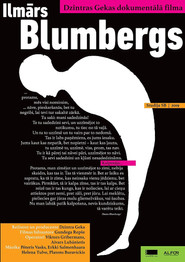
The story of the secret of self-creativity, the loneliness of the soul, the meridians of con-sciousness and the scope of man. Ilmārs Blumbergs (1943-2016) is a concept in life than can be classically proven if we analyze his work in set design, poster art, painting and multimedia work. The personality of Blumbergs, however is a shifting and intangible material which ensures superior value, wonderfulness and intimacy to all that he created. Those who analyze his art and world perceptions, recognize the work as seeming to come from antiquity, but it can never be catalogued or recorded in bookkeeping. How fortunate that it also cannot be consumed.
Audrey Hepburn was one of the movies' best-loved stars, blessed with beauty, talent, an elegant sophistication and an enduring aura of youthful innocence. As Goodwill Ambassador for UNICEF, she spoke for the world's suffering children and families, earning an affection and admiration that only increased with news of her untimely death. From the star herself we learn of her career and the family and friendships that were her priority.
We have detected that you are using an ad blocker. In order to view this page please disable your ad blocker or whitelist this site from your ad blocker. Thanks!