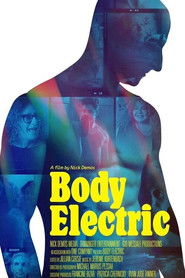
With 25% of all body dysmorphic disorders stemming from the LGBTQ+ community, and 42% of all males with eating disorders identifying as gay men, filmmaker Nick Demos examines body image in the LGBTQ+ community, media obsession with youth culture, and his own journey to self-acceptance in his middle age.
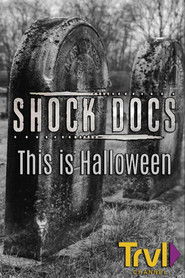
Shock Docs: This is Halloween combines an impressive set of experts/historians and stars from many of the Travel Channel’s most popular series such as Ghost Nation, Destination Fear, Ghost Brothers, Kindred Spirits, Expedition Bigfoot, and The Holzer Files to reminisce on not only the history/origins of the holiday, but also recall their favorite memories of the celebrations, costumes, and scares.
A portrait of Berlin’s most famous bouncers – Sven Marquardt, Frank Künster and Smiley Baldwin. The three men have been part and parcel of the capital’s club scene for more than 25 years – from the days after the fall of the Berlin Wall to the present day – but aren’t yet considering calling it a day even though life makes more demands on them as they turn 50.
For the 2016 Day With(out) Art, Visual AIDS commissioned COMPULSIVE PRACTICE, a video compilation of compulsive, daily, and habitual practices by nine artists and activists who live with their cameras as one way to manage, reflect upon, and change how they are deeply affected by HIV/AIDS. This hour-long video program was distributed internationally to museums, art institutions, schools and AIDS organizations.
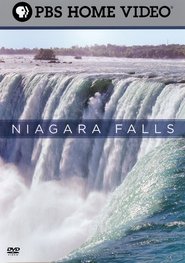
NIAGARA FALLS is more than the celebration of a natural wonder: it's a study of human achievement and human folly on an epic scale. It is a tale of exploitation and preservation and the changing nature of love in America - of the way Man has related to Nature over centuries. With spectacular high definition videography, the camera takes us to the edge of the falls via helicopter and boat; we see newsreel footage, actual weddings and much more
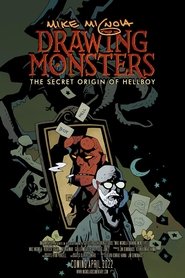
As one of the most successful independent comic book creators, Mike Mignola has inspired generations of writers and artists. This feature-length documentary explores the legacy of the legendary comic book creator behind Hellboy, and delves into Mignola's career from his early days at Marvel, to his success with Hellboy, featuring insights from Neil Gaiman on the Mignolaverse and Rebecca Sugar on Mignola's influence on Steven Universe.
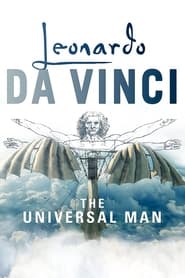
How only one man all at the same time painted the Mona Lisa, conceived ball bearing and gave the first clinical description of atherosclerosis? On the occasion of the 500th anniversary of his death, this documentary will answer these questions and much more, gathering clues thanks to research on the field and encounters with the most outstanding specialists on Leonardo Da Vinci. Travelling through time thanks to an imaginary museum, we will track back the Renaissance genius and give you to see Leonardo’s relentless ingenuity!
Under the Carribean is the name of a film that was filmed between August 1953 and April 1954 during Hans Hass's exhibition to the Galapagos on his research ship Xarifa. The expedition members' work on board and under the water, as well as their new discoveries, make up the material for this documentary, which is embedded in a fictional plot. Lotte Hass, an underwater model, is one of the main actors.
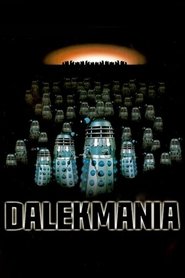
1995 documentary film that examines that 60's craze and focuses in particular on the two 1960's Doctor Who films starring Peter Cushing (the Cushing Doctor) -- Doctor Who and the Daleks and Daleks - Invasion Earth 2150 AD which both feature the Daleks. Interviews cover the making of the films and their fans.
We have detected that you are using an ad blocker. In order to view this page please disable your ad blocker or whitelist this site from your ad blocker. Thanks!