June 22, 1941. The day began as usual at a museum on the western border of the Soviet Union, but in the afternoon a bloodied horseman burst into the museum courtyard. It was the commander of the guard. The museum director, his wife, the gardener, and the commander set up a makeshift barricade. Soon a fascist motorcade appeared. The museum's defenders fought fiercely and held off the enemy until rescue forces arrived.
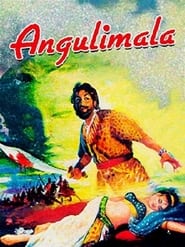
The tyrannical Angulimal (Bhushan), a bandit wearing a
garland of severed human fingers and who
engages in bloody mystical rituals to achieve
divine power, eventually succumbs to the
Buddha’s teachings. Nimmi played Angulimal’s
lover.
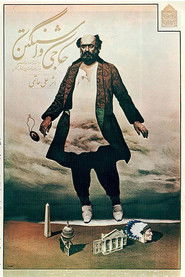
Hajji Hossein-Gholi Noori (Haji Baba) goes to Washington D.C. as the first Iranian (Persian) ambassador to the United States of America. After he opens the embassy, he is unable to invite statesmen to visit him. Haji fires the embassy staff due to the inability of the Persian government to meet the embassy's needs. One night he is visited by President Grover Cleveland.
Drama inspired by the life of Walter Tull who, after years in an orphanage, went on to become a professional footballer and then the first black commissioned officer to lead British troops during WW1. The action concerns Tull's turbulent passage from ordinary soldier to extraordinary officer at officer training camp, where he had to face his own demons as well as fight the prejudice that surrounded him
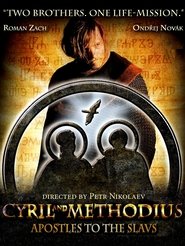
The series follows Cyril and Methodius, two Byzantine Greek brothers born in the 9th century. They became missionaries of Christianity and influenced the cultural development of the Great Moravian territory.
For more than 20 years, skaters from Asunción have been demanding from the authorities, without being heard, a public space where they can practice the sport. “Honorable Skate” is a cry of struggle. A request that became a demand. It is our way of saying that we are here and we will continue to be here. A wish that we want to come true, not for ourselves, but for the little ones. It is a tribute to the effort of all skaters who, throughout decades of self-management and dedication to a sport that is now Olympic, despite the falls always got back up.
About the difficult and tragic time of collectivization - the de-collectivization. Two puppeteers go around the villages to earn bread and lodging... One night in the woods they are followed by an evil force in the form of a little boy, and in the morning the puppeteers meet the Communists, who are on their way to dispossess the wealthy land
A remake in part of his earlier "comfort women" film (Comfort Women, 1994), which explored the exploitation of various Chinese women forced to provide ‘entertainment’ for the Japanese army during their occupation of China.
In 1916, while France was bogged down in trench wars, a young engineer named Marcel Bloch was inventing a revolutionary propeller, the Eclair propeller. It would prove very effective in air combat. Today, Dassault Aviation, named after the moniker its founder took on after the war, is among the jewels of the worldwide aeronautics industry. From astonishing growth to unexpected crises, the Dassault group's destiny is closely linked to the history of France and the saga of modern aviation. As it marks its first century of existence, the company continues to fly in civil and military aviation, still following the path of its founder's visionary spirit, Marcel Dassault.
Choi Moon Bok is the Devil Rider, a messenger that's so fast that no enemy can catch him as he rides through their camps. During the years of the Manchu War, lords of the court gather to try and call upon scattered soldiers to mount a counterattack against the Manchu army. In order to do this they need a messenger that can ride fast and escape enemy hands. The Devil Rider is just the man but his wife is due to give birth on the night of his departure. He sacrifices being there with her to do his duty for his country. He manages to ride through the enemy, but it's all in vain. His wife dies in labor and the king has already signed peace negotiations with the Manchus. This story takes place 14 years after these events as a cunning and powerful woman named Seoyeon tries to enact revenge for her father's death. She needs the Devil Rider to carry out..
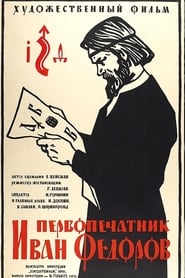
A historical biographical film about the life of Ivan Fedorov, founder of the first printing press in Russia. Printed books published during the reign of Ivan the Terrible seemed like witchcraft. Fedorov was accused of heresy.
"The Imam's Message" is a historical film inspired by the series that aired during Ramadan 2023. It chronicles the illustrious life of Imam Muhammad al-Shafi'i, his journey in spreading his knowledge and messages, and the challenges and difficulties he faced. Media Hub - Saadi Gohar has reworked the film with new editing and distinctive cinematic touches to mark the Prophet's birthday, building on the series' tremendous success.
Taisuke is kind-hearted but overall lacks ambition. Taizo is smarter, but given to fits of emotion and impulsive violence. The samurai brothers fight against corruption in a castle.
Wallenstein is adaptation of the drama by Friedrich Schiller. Set midway through the religious conflicts that ravaged war-torn Europe in the 17th century, the 18th-century German dramatist Friedrich Schiller wrote 3 plays that chronicle the final year and downfall of the celebrated Bohemian leader Albrecht Wallenstein, duke of Friedland (1583-1634), and explores the factors contributing to his demise.
We have detected that you are using an ad blocker. In order to view this page please disable your ad blocker or whitelist this site from your ad blocker. Thanks!