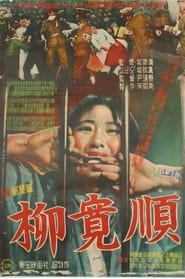
This film is about of the life of the young patriotic martyr Yu Gwan-sun, who fought for the liberation of her country during the Independence Movement in 1919. As the Independence Movement becomes more and more intense among Korean students, the Japanese authorities order schools closed temporarily. Yu Gwan-sun (Do Geum-bong) persuades her neighbors to join the national movement, and continues her aggressive struggle against Japanese rule. An independent campaign at Aunae, a market site, is successful with the passionate participation of many people. She is arrested by the Japanese police for leading the campaign and has to endure horrible tortures. But she never gives up her fight, encouraging her cell mates to participate in the movement. She is finally taken to an underground room by the Japanese police and murdered.
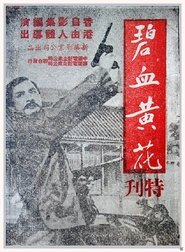
The film was filmed for Chiang Kai-shek's re-election of the president. The history teacher introduced the origin of the Youth Festival to the students: Fujian Lin Juemin left his wife and went to Spike to engage in revolutionary work; Guangxi Wei Yiting took the uprising with the master Li Deshan, Sichuan Yu Peirun and Pei’s brothers fought in the righteousness, and a total of 72 martyrs uprising under the leadership of Huang Keqiang , determined to overthrow the full Qing
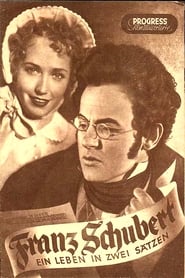
Franz Schubert toils by day as his father’s clerk while secretly composing in Beethoven’s shadow, gaining little recognition until friends persuade publisher Diabelli to host a public performance where he meets and falls for soprano Therese Grob. Abandoning a teaching career, he moves in with artist and poet friends, finds inspiration for the “Erlkönig,” and together with Therese sustains himself by performing his songs.
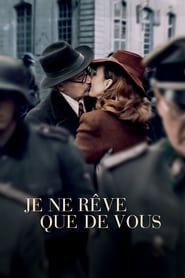
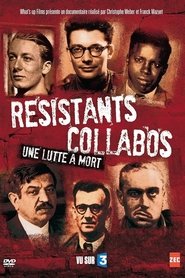
1940, Jeanne Reichenbach turns her back on a peaceful life to link her destiny to Léon Blum. She's been loving him since her teenage years, and is ready to sacrifice her freedom to mary him at Buchenwald, where he's held prisoner. They will survive together.
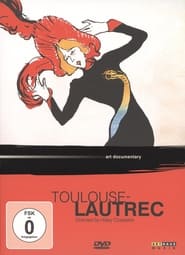
Scenes from Huston's "Moulin Rouge," archive footage of the original locations, a Lautrec exhibition at London's "Royal Academy" and interviews with artists, critics and collectors provide insights into the artist's life.
After World War II, many young French women became housewives, convinced that devoting themselves entirely to caring for their families was a noble mission and a means of personal fulfillment.
The tragedy of the Syrian people: War, conflict, loss, migration, exile, asylum, detention, drowning… A deserted place. Abandoned people. Abandoned country. The doors slammed shot; the doors are now locked - the keys thrown away...for what seems forever.
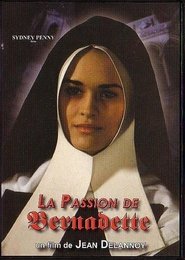
French filmmaker Jean Delannoy directs this inspiring sequel to his biopic about Marie-Bernarde Soubirous (portrayed by Sydney Penny), a young shepherdess who claimed to have seen numerous apparitions of the Lady in White at Lourdes in 1858. Chronicling Bernadette's years with the Sisters of Charity of Nevers convent, the film traces her life from age 22 until her untimely death from tuberculosis at age 35.
Verdi’s monumental music makes this historic epic an enduring favourite. Davide Livermore’s radiant production is a thrilling theatrical experience. Ten towering digital screens create ever-changing floor-to-ceiling set pieces. Immersive digital video design ranges from rich symbolism to vivid landscapes. Opulent costumes and props reflect the splendour of Egypt at the height of its power. Together with dramatic video, the massed grandeur of the famous Triumphal March is a visual and musical feast.
The extraordinary life and career of the Russian chess grandmaster Garry Kasparov, a brilliant and charismatic, but also rebellious, favorite son of the Soviet Union.
In the wake of Israel's 2006 bombardment of Lebanon, a determined woman finds her way into the country convincing a taxi driver to take a risky journey around the scarred region in search of her sister and her son.
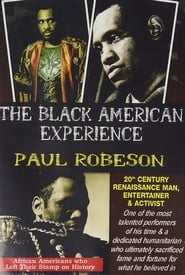
Paul Robeson was a celebrated African-American Actor, Athlete, Singer, Writer, and Civil Rights Activist. Robeson's many achievements are chronicled in this program, ranging from playing with the NFL to graduating from Columbia Law School, performing on Broadway and in Hollywood films to founding the American Crusade against Lynching as well as Council on African Affairs. Robeson was one of the most talented performers of his time and a dedicated humanitarian who ultimately sacrificed fame and fortune for what he believed in. His association with Leftist Politics during the era of the Cold War, and frequent denouncing of American political parties led to his eventual blacklisting with other prominent writers and artists during the McCarthy Era. His talents in all areas are remarkable, and his dedication to attaining a peaceful coexistence between all the people of the world is truly admirable.
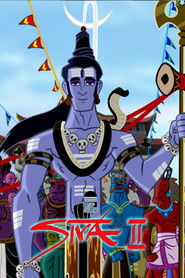
A grandmother sheds light on a few stories of Lord Shiva to her naughty grandchildren, kicking it off with the great grand wedding of Shiva and Parvati in the history of time.
We have detected that you are using an ad blocker. In order to view this page please disable your ad blocker or whitelist this site from your ad blocker. Thanks!