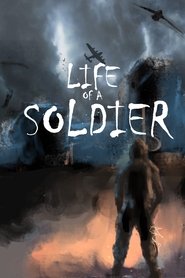
The wife of a former general in the German army received a letter in witch she was informed that her husband has to enlist in the German army and fight on the frontline. Affected by this news, she opposed the commanders who brought the letter, which shot her on the site. Her husband, in an act of revenge, starts being a hero on the frontline, violating orders and deciding the fate of the battle of Verdun.
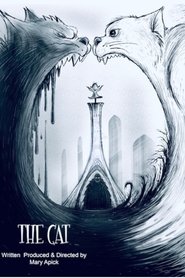
A little girl is selling flowers -- until her world is enveloped by malevolent darkness. She is forced to run for her life as the world around her is destroyed. This is a parable about life in Iran since the Revolution.
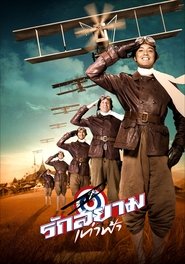
It is 1911 when the birth of Aviation happens in Siam. Siam is the first country to start an aviation program in Asia. A program to train Thai pilots to fight in World War I by the side of the Allies, but after having several setbacks, will they prove to be qualified enough to go to war as not everyone in Siam believes in it?
Based on the lives of four boys, all of different social classes and psychological makeup, this film tries to reflect through them the political history of Argentina during the years leading up to the Malvinas War.
After an incident where Jayden spills coke on his friends' new shirt, he loses it. Ethan declares war on his old best friend, and it gets quite serious.
Silently conveys a couple's fear of an immanent nuclear blast. Part of Sweet Disaster; a 1986 series of short films made for Channel 4. It consists of “animated visions of the apocalypse”.
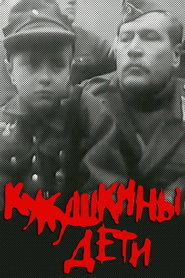
About the plight of Soviet orphanage children that during the war the Nazis were taken to Germany diversantskoy for training activities in the territory of the USSR. In 1943 Gemfurte near Kassel (Germany) School for Soviet teenagers was created using Abverkomande-203, which were taken from the children's homes of Smolensk and Orsha. About this school, there are real documents, alive and witnesses of those events.
Dutch-Kurdish Ceylan is living the perfect life; and has a nice boyfriend, Bastiaan. However, the war in her homeland is fighting for her attention. She no longer can handle watching the misery on TV without taking action. Therefore she decides to become 'Peshmerga' and say goodbye to her secure life with Bastiaan, maybe forever.
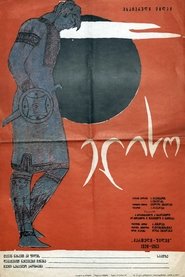
Georgia, 1864. The Tsarist regime is using Cossacks to forcibly resettle Muslim Georgians to Turkey in order to steal their land. Meanwhile a Muslim girl falls in love with a Christian from the next village.
Explores the path of hitler from insignificance, to World domination, and demonstrates the delusions he had that lead to massive deaths during the War.
In the 1950s, an army reconnaissance group finds an enemy spy organization lurking in a coastal town in southeast China intending to collect military intelligence.
In the mid-18th century, Thailand's King Textron was defending his Ayuthaya Kingdom as he fought against the Myanmar invasion. At the same time, his wife Queen Taya was having a secret affair with the swordsman Chai, who may actually be a Myanmar traitor intending on toppling the Ayuthayans from within the palace. Filled with dazzling swordplay action and epic battle scenes, THE LORD OF AYUTHAYA is a stirring account of one of Thailand's most famous battle in history
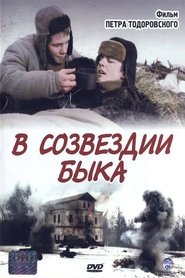
Todorovsky's film examines life in a provincial Russian town (that is too small to even appear on the map) just outside of Stalingrad during the famous WWII Battle. This is NOT a traditional war film, and the epic events of the battle take place almost entirely off screen. Instead, Todorovsky outlines a crude love triangle between three young people caught up in the harsh Russian winter. The stark winter settings, and the characters' struggle for survival, are what make this film one worth watching.
A monk renounces his role to become King after his brother is killed. His new Queen is forced to choose sides between her husband and her father from a rival land, which eventually leads to an all out war for sovereignty.
We have detected that you are using an ad blocker. In order to view this page please disable your ad blocker or whitelist this site from your ad blocker. Thanks!