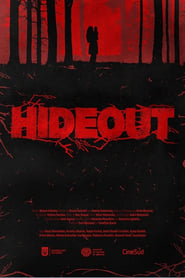
Ukraine, 1946. Orest, commander of an insurgent squad, is in a hideout together with his pregnant wife Eva and several fighters. The NKVD surrounds the insurgents. The captain of the commissariat squad gives Orest a choice: he either gives Eva out or accepts an unequal fight.
Somewhere in Europe in the twentieth century, a young man decides to change his life by engaging in the army. A modern and quirky tale, with Jérémie Renier and Bernard Le Coq.
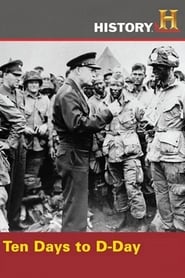
Following the lives of ten characters through their letters and diaries in the ten days before D-Day. The mini-series contains documentary interviews with the people on which the book, and this mini-series were based.
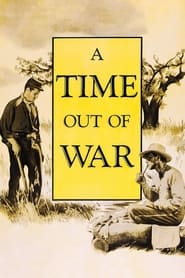
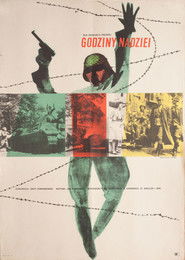
Black and White UCLA Student Film, Preserved by the Academy Film Archive. During the American Civil War, two Union soldiers and a Confederate solider fire at each other from across a brook. The two sides negotiate a one-hour truce, from which they develop a bond. Based on the short story "Pickets" (1897) by Robert W. Chambers, it was the winner of an Academy Award for Best Short Subject (Two Reel) film in 1955. The film is on the National Film Registry for its cultural significance in 2007.
In the streets of Vichy, France, during World War II, the Germans apprehend nine men and a boy. Among them are a painter, a businessman, an electrician, a waiter, an army doctor, an actor, a prince, a gypsy, and a Jew. Confined without explanation, they can only speculate about their fate.
The image of French prisoners was very often evoked in Algerian cinema and literature, but until today, no Algerian or even European report or documentary had given voice to one of these French prisoners of the war of Algeria. In the interest of truth and writing history, we set out in search of one of these French witnesses. This witness is René Rouby, prisoner of Amirouche's group for more than 114 days in 1958 in the Akfadou region in Kabylia. This is the first testimony from a French prisoner of the ALN (the National Liberation Army).
The Dumlupinar Submarine collides with a Swedish ship while cruising on the Dardanelles. It sinks into depths of the sea within seconds. The soldiers trapped inside the submarine wait for days, hoping to be rescued.
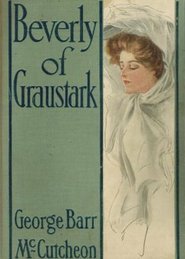
Beverly Calhoun is invited by her friend, Princess Yestive of Graustark, to pay her a visit. On her journey, she is waylaid by bandits, and becomes entangled in the political problems of a neighboring country, whose ruler Prince Dantan, has been ousted by his evil half-brother Gabriel. Dantan, disguised as a simple goat hunter, has been driven into hiding in the mountains with his followers. Beverly is rescued by his band of rebels, but is mistaken for Princess Yestive. Beverly and Dantan fall in love, but their romance is complicated, not only by the hostilities between the two countries, but also because neither of them knows the true identity of the other.
In the last days of World War 2, people of various ethnic background meet in a Polish military hospital in a small German town, whereas a Nazi SS division hides in the local forests and tries to move westwards.
The family of the director of the state farm lives in a small Uzbek village. One day, the nephew of the mother, Sanjar, appears in this hospitable family. The kind and impressionable Sappho, observing his cousin's connections with a thieving company, draws unpleasant conclusions for himself and makes completely independent decisions...
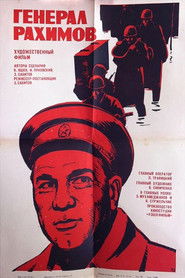
The plot is based on facts from a military biography of General Sabir Rakhimov, the division commander in the Second Belorussian Front. Time of action - World War II.
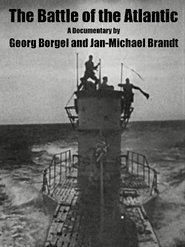
Germany in 1941. War in Europe for two years. The Nazis at the height of their power. Since the beginning of the war, there has been a frontline in the west where the traces of horrible fights disappear on the spot:The Battle of the Atlantic. England, traditionally the leading naval power worldwide was to be cut off from all supplies by a blockade while the balance of power is not in favor of the German Kriegsmarine. Their commander-in-chief complains that "the war was five years early." That a victory seems achievable at the beginning is the result of a weapon that was only known in Germany at the height of perfection and drill: submarines.
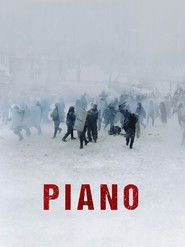
At the height of the protests in Kiev's Maidan Square, a piano, about to be used as a barricade, is rescued by a music student. The bashed up piano becomes a symbol of the revolution, reigning over the square, singing along with the protesters and fuelling their fervour.
A party game in which players compete for a decreasing number of chairs, the losers in successive rounds being those unable to find a chair to sit on when the accompanying music is stopped.
Professor-turned-spy Col. Calvin Turner and his associate, workaholic Lt. Shelley Flynn, plan a daring rescue behind enemy lines in World War II German-occupied Norway of a brilliant scientist who may or may not be aiding the Germans.
We have detected that you are using an ad blocker. In order to view this page please disable your ad blocker or whitelist this site from your ad blocker. Thanks!