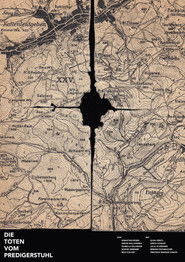
On July 15th 1934, an illegal gathering of socialists took place in the Vienna Woods. When the fascist police discovered them, they opened fire and killed 2 young men. 90 years later, the traces left by the incident have almost disappeared. A group of people return to recall the past. The trees and the wind can bear witness to history.
Whirling through the solar system is a physics-defying planet named Insomnia where time stands still. When an elderly artist is diagnosed with incurable cancer, his doctor suggests a visit to this celestial body as a way of stemming the progression of the disease. With the help of his filmmaker daughter, the artist prepares for a momentous interplanetary journey.
Spanish politicians. They all disappear to participate in ‘The Camelar Game,’ a competition where they must overcome various challenges if they want to preserve their political lives.
In a stifling mise en scène that leaves no room for spontaneity, affection or rebellion, father, mother and daughter perform their rigid roles. Each follows their own script, out of sync and devoid of actual interaction. Their evocative choreography reveals small neuroses, fractures in the façade.
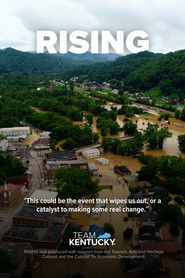
RISING is a documentary from Team Kentucky that tells the story of the strength and resilience of Eastern Kentuckians as we undertake the most ambitious rebuilding effort in the nation following the historic flooding that took place in the summer of 2022.
Faiza is everything you would expect from a Maghrebi mother living in the city: hardworking, devoted to her children, whom she is raising alone, attentive and helpful. But in the family's modest apartment, Faiza Alaoui has a "room of her own" where she works on another part of herself, one that is not afraid of transgression and reconnects with her youthful ambitions...
Set in the aftermath of a large-scale disaster, a small group of people remain behind in search of lost sons and new worlds. Two lovers, River and Lill, fend for the future of their bond whilst mysterious entities stalk the countryside, hungry for humanity’s lifeforce.
Ellie and her friends go on fun adventures where teamwork and kindness help everyone take part, turning every challenge into a joyful celebration of friendship.
We have detected that you are using an ad blocker. In order to view this page please disable your ad blocker or whitelist this site from your ad blocker. Thanks!