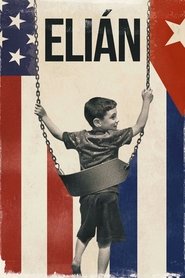
The story of Elián Gonzalez, a five-year-old Cuban boy plucked from the Florida Straits, and how the fight for his future changed the course of U.S.-Cuba relations. Featuring personal testimony, interviews, and a news archive, this documentary recounts Elián’s remarkable rescue on Thanksgiving Day in 1999, after his mother and 10 others fleeing Cuba perished at sea, and the custody battle between the boy’s Cuban father and his Miami-based relatives.
A young, Appalachian family fights against poverty, substance abuse & the failing health of their child, as she aspires to compete for Little Miss West Virginia.
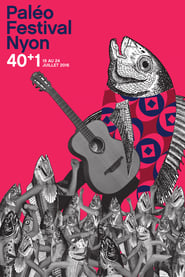
A behind-the-scenes documentary about the 41st Paléo in Nyon (Switzerland) in 2016, with a selection of the best parts of the concerts and interviews with the artists and volunteers who organize the festival.
Alexey is shooting a movie about himself. He is in search of a boyfriend. Everything would be alright, if Alexey's mother could accept his sexuality. Alexey comes to visit her and admits that he likes boys, saying 'Don't you anticipate any grandchildren from me'. We find Alexey at Tarkovsky film festival, where he apparently came to rest. Alexey meets Grisha, and a stormy holiday romance begins.
The cultural differences between the several generations of the rural maracatu: an afro-indigenous ritual which originated in the sugar mills of the state of Pernambuco.
Those TV documentaries you see, and the science experts they feature? Did you know that producers often edit them out of context, and twist their words, to make it seem like they promoted some pop sensationalism instead of the real facts? Science Friction exposes these faux documentaries by name, and gives the scientists a chance to clear the record.
The documentary First of May explores the more than a century-long evolution of the celebration and the meaning of this day. The structure is composed of memories, newspaper excerpts, testimonies found in archives, etc. - all these passages are brought to life by the actors' voices, taking on the roles of journalists, factory workers, policemen, workers and ordinary people who watch May Day, sometimes with interest and verve, sometimes with distance or irony.
32 renowned Brazilian screenwriters of the contemporary Brazilian cinema talk about their creative processes. From the concept of script to their agreements and disagreements, going through their experiences with filmmakers, their reaction to the finished film, critic, and even controversies on auteurism.
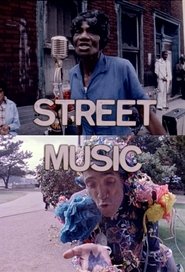
A collection of performances by street musicians across the country, from New York to San Francisco, New Orleans to Chicago, the film presents 19 musicians in seven cities, and was one of Doob's first feature-length films. Among the singers, guitarists, drummers, dancers, and other artists, Doob includes street performance legends such as Brother Blue, Gene Palma, Bongo Joe, the Automatic Human Jukebox, and bluesman Jimmy Davis. The film captures a cross-section of Americans filled with raw talent, showmanship, and hustle, and presents a time capsule of the fashion, architecture, and culture of the 1970s. (Yale Film Archive)
At America's elite MIT, a Ghanaian alum follows four African students as they strive to graduate and become agents of change for their home countries Nigeria, Rwanda, Tanzania, and Zimbabwe. Over an intimate, nearly decade-long journey, all must decide how much of America to absorb, how much of Africa to hold on to, and how to reconcile teenage ideals with the truths they discover about the world and themselves.
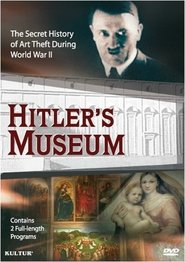
One and a half years before the begin of the Second World War during the annexation of Austria in March of 1938, Hitler conceived the megalomaniac idea of creating the largest European art center in his home town of Linz. At the beginning of the war on the 1st of September 1939, not only did his armies advance but also his art thieves began to fan out in their great foray of art plundering; an expedition on a previously unheard of scale began. Not only did the task forces of diverse National Socialist organizations pillage the occupied countries; Nazi bigwigs like Goering also took whatever they felt was valuable. This documentary includes the long and eventful journey of an exceptional masterpiece of European art: the Ghent Altar, created by van Eyck.
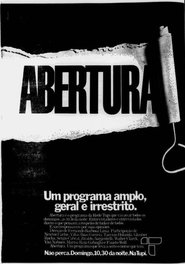
One of the most daring and radical shows presented in Brazilian television: "Abertura". It was broadcast between February and October, 1979, with weekly editions, presented by Brazilian filmmaker Glauber Rocha. The video is a compilation of characters, statements, and interviews about the political and cultural situation of the country during the final stages of the Military Dictatorship.
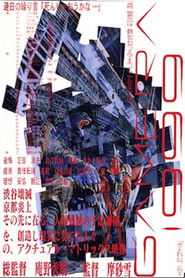
Hideaki Anno's documentary about the making of Shusuke Kaneko's Gamera 3: Revenge of Iris. From concept to film, the documentary is a video diary of the film's production.
We have detected that you are using an ad blocker. In order to view this page please disable your ad blocker or whitelist this site from your ad blocker. Thanks!