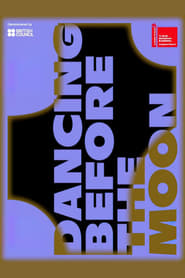
Comprising new and archival footage, this film observes rituals performed by the South Asian, African, and Caribbean diaspora in Britain, demonstrating an appreciation of land, community values, and the universe we share with other species and planets.
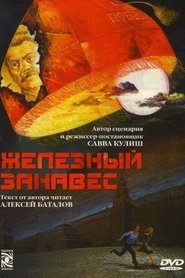
1947 ... The Savchenko family returns to Moscow from evacuation - husband and wife with Kostya's little son. They settle with Grandma Kostya in a huge communal apartment. Street meets the boy with a flock of local boys. Then there were: the division of the territory with the "Sretensky"; trophy movie “Girl of my dreams”; a school with separate education, camp discipline and essays about the border guard Karatsyup. And the monetary reform of 1947, when all of their savings depreciated in an instant, and the boys let out boats from banknotes in puddles.
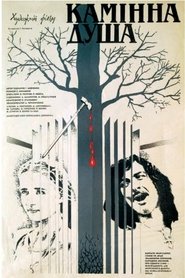
The events take place in the XIX century, in the Carpathian mountains. It is the screen adaptation of the novel by Hnat Khotkevych based on the legend of brave leaders who fought against the Austrian Habsburgs and the Polish magnates for the happiness and freedom of its people. And also it is a romantic story about a fatal overwhelming love.
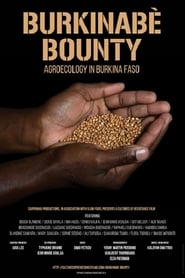
This documentary chronicles agricultural resistance and the fight for food sovereignty in Burkina Faso – a small, landlocked country in West Africa. Showcasing activist farmers, students, artists and leaders in the local Slow Food movement, the film looks at how the Burkinabé people are reclaiming their land and defending their traditions against the encroachment of corporate agribusiness. From women gaining economic independence by selling artisanal “dolo” beer, to youth marching in the streets against companies like Monsanto, to hip-hop musicians setting up their own farms and reviving the revolutionary spirit of Thomas Sankara through their music, Burkinabè Bounty shows the creative tactics people are using to take back control of their food, seeds, and future.
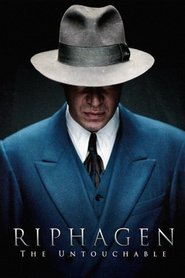
Amsterdam, Netherlands, 1944, during World War II. Andries Riphagen, a powerful underworld boss, has made his fortune by putting his many criminal talents at the service of the Nazi occupiers. But the long battle is about to end and the freedom fighters, who have been persecuted and murdered for years, are abandoning their hideouts to mercilessly hunt down those who have collaborated with the killers.
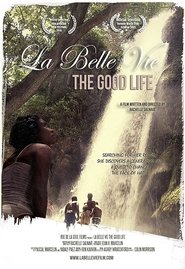
La Belle Vie: The Good Life takes a look into a filmmaker's journey to discover her Haitian roots by examining the complexities of the Haitian society but also chronicles her voyage to find hope in this nation on the brink of a new Haiti.
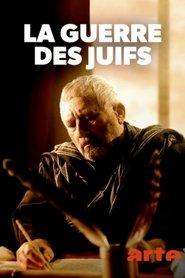
In the first century, after the death of Herod the Great, Judea goes through a long period of turbulence due to the actions of the corrupt Roman governors and the internal struggles, both religious and political, between Jewish factions, events that soon lead to the uprising of the population and a cruel war that lasts several years and causes thousands of deaths, a catastrophe described in detail by the Romanized Jewish historian Titus Flavius Josephus.
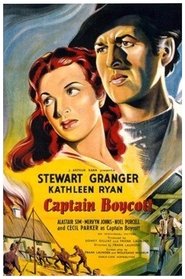
Based on real events, this historical drama is set in 19th-century Ireland, when poverty-stricken tenants dispossessed by greedy landowner Capt. Boycott (Cecil Parker) band together to assert their rights. Patriotic farmer Hugh Davin (Stewart Granger) leads the rebels. Choosing nonviolent resistance, the villagers ostracize their nemesis, who squanders his fortune to repair his ruined reputation and wagers what's left on a horse race.
Acquired in July 1909 by art collector Wilhelm von Bode (1845-1929), director general of the Prussian Art Collections and founding director of the Kaiser-Friedrich-Museum, now the Bode-Museum, the Bust of Flora, Roman goddess of flowers, has been the subject of controversy for more than a century.
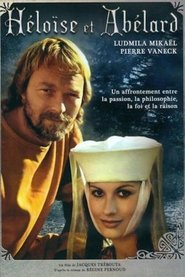
The love affair between Abélard and Héloïse, or the extraordinary passion between a brilliant 37-year-old professor and his young student, has left its mark on their lives. While their uncle Fulbert's criminal jealousy dogged them and tragedy separated them, these events made their romantic adventure all the more unusual and famous. And it is the strength of the bond between these two extraordinary heroes that will overcome all obstacles, whatever they may be.
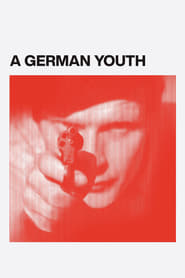
At the end of the 1960s the post-war generation began to revolt against their parents. This was a generation disillusioned by anti-communist capitalism and a state apparatus in which they believed they saw fascist tendencies. This generation included journalist Ulrike Meinhof, lawyer Horst Mahler, filmmaker Holger Meins as well as students Gudrun Ensslin and Andreas Baader.
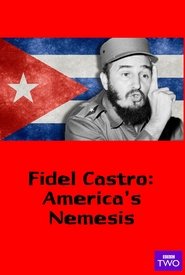
Fidel Castro, the former President of Cuba and one of the most controversial figures of the 20th century, passed away in November. He famously claimed that "history will absolve me", but will it? This special film considers Castro and his legacy.
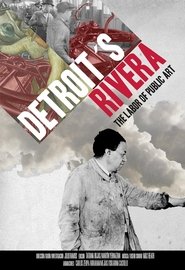
A documentary on the process of production of Diego Rivera's Detroit Industry Frescoes and the murals' agitated social context during the years of the Great Depression. The documentary's remarkable archival montage explores the links between industrial labor, public art, and industrial cinema under the exigencies of Fordism.
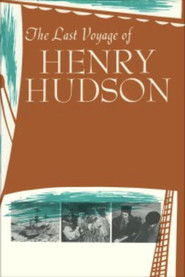
This short film realistically portrays the conflict Henry Hudson experienced when he went in search of an open water route to the Orient, and no one would follow him. What he discovered instead was an inland sea, a discovery that ended in tragedy.
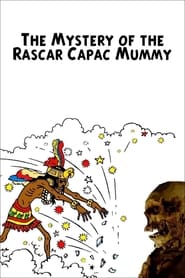
Rascar Capac, the sinister creature featured on Hergé's album The Seven Crystal Balls (1948), has left its mark on many generations of readers. To draw it, the Belgian cartoonist was probably inspired by a mummy exhibited in the first pre-Columbian exhibition organized by the Brussels Cinquantenaire Museum in 1923. Two intrepid archaeologists embark on a fascinating journey to reconstruct the story of the mysterious mummy.
We have detected that you are using an ad blocker. In order to view this page please disable your ad blocker or whitelist this site from your ad blocker. Thanks!