Kingdom of Granada, al-Andalus, 14th century. After recognizing that his land, always under siege, is hopelessly doomed to be conquered, Sultan Yusuf I undertakes the construction of a magnificent fortress with the purpose of turning it into the landmark of his civilization and his history, a glorious monument that will survive the oblivion of the coming centuries: the Alhambra.
The picture belongs to the jidai gekki (historic) genre. It is a powerful story of violence and eroticism, picturing a world at once sordid and poetic, with two central themes which intermingle to compound an admirable panel of a critical period in Japanese history: the great famine in the mid 19th Century.
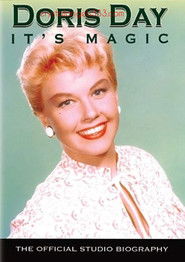
When the cameras rolled, Doris Day wore a happy face, never hinting at the pain she endured in her personal life. This documentary brings viewers close to the real Doris Day through the eyes of her friends and family members and with the help of film footage, newsreels and photographs. What surfaces is a complex picture of an equally complicated woman who faced problems far more formidable than her cinematic image revealed.
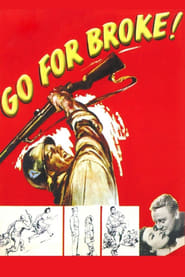
A tribute to the U.S. 442nd Regimental Combat Team, formed in 1943 by Presidential permission with Japanese-American volunteers. We follow the training of a platoon under the rueful command of Lt. Mike Grayson who shares common prejudices of the time. The 442nd serve in Italy, then France, distinguishing themselves in skirmishes and battles; gradually and naturally, Grayson's prejudices evaporate with dawning realization that his men are better soldiers than he is.
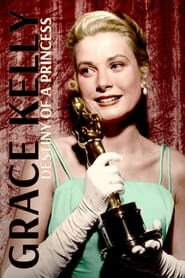
In 1956, actress and Hollywood star Grace Kelly (1929-82), then at the height of her film career, unexpectedly dropped everything to marry Prince Rainier III of Monaco. Jinx, an American journalist and friend of the future princess, accompanied her on her journey to the wedding and covered the sensational event.
Two journalists born in the mid '80s decide to take a look back at how their country changed in the last 30 years since the fall of communism. The end product is a documentary containing footage of political events and historical milestones significant to Romania accompanied by a narrator's voice walking the viewer through the events, and also interviews with Romanian politicians and other influential public figures sharing their thoughts and their different views on those events.
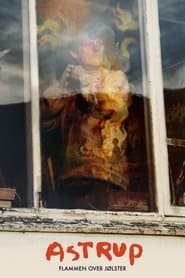
This docudrama takes us on a journey through Nikolai Astrup's life and the inspiration behind some of his most famous paintings until his early death in 1928.
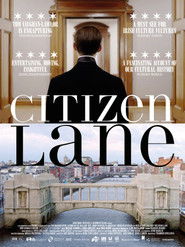
Citizen Lane is an innovative mix of documentary and drama that delivers a vivid and compelling portrait of Hugh Lane, one of the most fascinating and yet enigmatic figures in modern Irish history. A man of multiple contradictions, by turns infuriatingly parsimonious or extraordinarily generous, a professed nationalist and a knight of the realm; a monumental snob and a fearless campaigner for access to the arts.
The story of Brazil’s first emperor, returning to Europe on board the English ship Warspite. The trip makes Pedro conquer his fears and face his life from a personal point of view. He goes back in time and relives outstanding moments of his earlier life – since his childhood, when in 1808 he arrived coming from Portugal with his family, until he left in the dead of the night, in 1831, running away from Brazil.
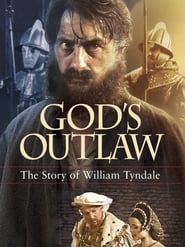
A dramatized biography of William Tyndale, the 16th Century reformer determined to translate the Bible into English, which illegal act set him at odds with the Catholic Church, Sir Thomas More and King Henry VIII.
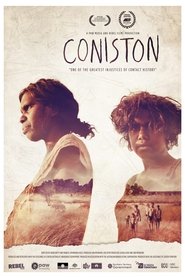
In 1928, following the murder of a white dingo trapper, central Australia would witness the last known massacre of its Indigenous people. With over one hundred killed during a series of punitive expeditions, those who survived fled far and wide from the massacre sites. Denied a voice at the official inquiry and dislocated from their lands, the survivors passed down the story of this bloody episode to their children and grandchildren.
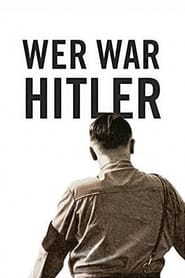
Hitler's biography told like never before. Besides brief historical localizations by a narrator, only contemporaries and Hitler himself speak: no interviews, no reenactment, no illustrative graphics and no technical gadgets. The testimonies from diaries, letters, speeches and autobiographies are assembled with new, often unpublished archive material. Hitler's life and work are thus reflected in a unique way in interaction with the image of the society in the years 1889 to 1945.
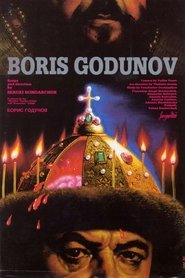
Praised for its fine photography and production design if not its narrative, Sergei Bondarchuk directed this adaptation of the tale by Alexander Pushkin. Boris Godunov came to the Czarist throne at the end of the 16th century, after the original heir to Ivan the Terrible had died. At first, things went well for Godunov (played by Bondarchuk), but when the Russian people began to believe he had killed Ivan the Terrible's son in order to gain the throne, an alliance sprang up against the new Czar. Events continued to spin out of control as a young monk was presented as the son Godunov had supposedly killed. Now he was openly accused of failing an assassination attempt, which seems to be even worse than succeeding. In addition to these woes, Boris Godunov began to suffer serious health problems. So much for the joys of kingship.
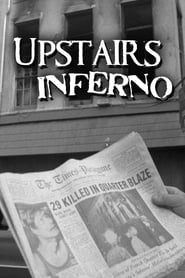
On June 24, 1973, a gay bar in New Orleans called the Up Stairs Lounge was deliberately set on fire — an event that, for over 40 years, was considered the "Largest Gay Mass Murder in U.S. History."
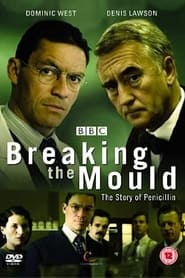
A historical drama that tells the story of the development of penicillin in the 1930's/40's, by a group of scientists in Oxford at The Dunn School of Pathology
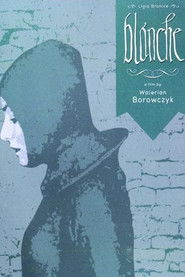
Blanche is the young, pure, beautiful wife of the Master of the castle, in a secluded land. Every man is in love with her, including the King and his servant Bartolomeo, visiting the Master.
We have detected that you are using an ad blocker. In order to view this page please disable your ad blocker or whitelist this site from your ad blocker. Thanks!