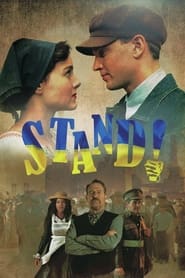
A retrospective look at the youth cultures born in the German Democratic Republic. A celebration of the lust for life, a contemporary trip into the world of skate, a tale on three heroes and their boards, from their childhood in the seventies, through their teenage rebellion in the eighties and the summer of 1989, when their life changed forever, to 2011.
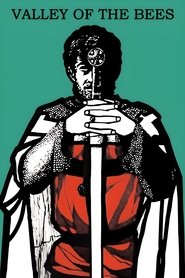
Cast out by his father, young Ondrej joins the Order of the Teutonic Knights, where he is raised by strict monk Armin. After years of hardship, Ondrej escapes from the Order when he is wrongly punished, and sets out for his former home. Arriving to discover his father to be dead, Ondrej now not only assumes control of his father's properties, but seeks to marry his former stepmother.
Kingdom of Granada, al-Andalus, 14th century. After recognizing that his land, always under siege, is hopelessly doomed to be conquered, Sultan Yusuf I undertakes the construction of a magnificent fortress with the purpose of turning it into the landmark of his civilization and his history, a glorious monument that will survive the oblivion of the coming centuries: the Alhambra.
The picture belongs to the jidai gekki (historic) genre. It is a powerful story of violence and eroticism, picturing a world at once sordid and poetic, with two central themes which intermingle to compound an admirable panel of a critical period in Japanese history: the great famine in the mid 19th Century.
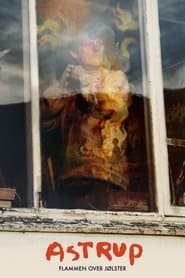
This docudrama takes us on a journey through Nikolai Astrup's life and the inspiration behind some of his most famous paintings until his early death in 1928.
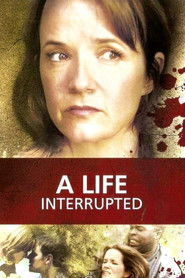
After Debbie Smith was raped, she didn't take the law into her own hands. She wrote the law... Based on a true story. In 1989, Debbie Smith was living a quiet life as a housewife with her police officer husband, Rob and their two kids, but one day it's all shattered. While her husband slept upstairs, Debbie was dragged from her kitchen in broad daylight and brutally raped in the woods. After going through the dehumanizing rape-kit, she waited with fear and paranoia. Six years later, her rapist was caught through a chance DNA test. After learning how many rape-kits go untested and how long women wait to get justice, Debbie makes it her mission so no more women will suffer the long wait to get justice.
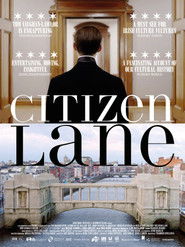
Citizen Lane is an innovative mix of documentary and drama that delivers a vivid and compelling portrait of Hugh Lane, one of the most fascinating and yet enigmatic figures in modern Irish history. A man of multiple contradictions, by turns infuriatingly parsimonious or extraordinarily generous, a professed nationalist and a knight of the realm; a monumental snob and a fearless campaigner for access to the arts.
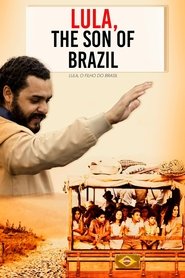
The true story of a working class boy who moves to the nation's financial capital at a young age and becomes one the most influential politicians in Brazilian history.
The story of Brazil’s first emperor, returning to Europe on board the English ship Warspite. The trip makes Pedro conquer his fears and face his life from a personal point of view. He goes back in time and relives outstanding moments of his earlier life – since his childhood, when in 1808 he arrived coming from Portugal with his family, until he left in the dead of the night, in 1831, running away from Brazil.
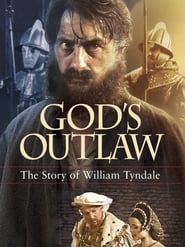
A dramatized biography of William Tyndale, the 16th Century reformer determined to translate the Bible into English, which illegal act set him at odds with the Catholic Church, Sir Thomas More and King Henry VIII.
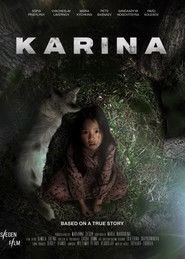
A film about the incredible story of Karina Chikitova. In August 2014, a three-year-old girl disappeared, but she was not immediately missed: people assumed she had left with her dad, who lived in a neighboring village. Only on the third day was it revealed that her dad had not picked her up. The village searched for her for 12 days and found her alive, thanks to a faithful friend — a puppy. In honor of Karina and her dog Naida, a monument was erected at the Yakutsk airport, and a book published called "Karina. 12 Days in the Taiga." This story dramatically changed the life of a little girl from a tiny village and her family. Today she is already 12 years old and studying at a ballet school.
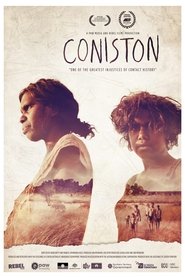
In 1928, following the murder of a white dingo trapper, central Australia would witness the last known massacre of its Indigenous people. With over one hundred killed during a series of punitive expeditions, those who survived fled far and wide from the massacre sites. Denied a voice at the official inquiry and dislocated from their lands, the survivors passed down the story of this bloody episode to their children and grandchildren.
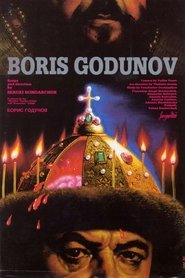
Praised for its fine photography and production design if not its narrative, Sergei Bondarchuk directed this adaptation of the tale by Alexander Pushkin. Boris Godunov came to the Czarist throne at the end of the 16th century, after the original heir to Ivan the Terrible had died. At first, things went well for Godunov (played by Bondarchuk), but when the Russian people began to believe he had killed Ivan the Terrible's son in order to gain the throne, an alliance sprang up against the new Czar. Events continued to spin out of control as a young monk was presented as the son Godunov had supposedly killed. Now he was openly accused of failing an assassination attempt, which seems to be even worse than succeeding. In addition to these woes, Boris Godunov began to suffer serious health problems. So much for the joys of kingship.
On June 24, 1973, a gay bar in New Orleans called the Up Stairs Lounge was deliberately set on fire — an event that, for over 40 years, was considered the "Largest Gay Mass Murder in U.S. History."
We have detected that you are using an ad blocker. In order to view this page please disable your ad blocker or whitelist this site from your ad blocker. Thanks!