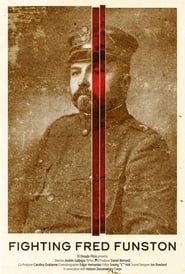
On April 18th, 1906, San Francisco witnessed its most devastating natural disaster – an earthquake that initiated a city-wide fire. The commanding officer of the U.S. Army base at the Presidio, Fred Funston, gathered citizens to fight the fire, patrol the streets, and rebuild the city – all without authorization.
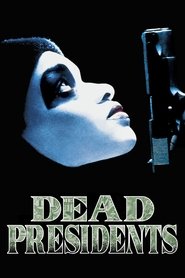
On the streets they call cash dead presidents. And that's just what a Vietnam veteran is after when he returns home from the war only to find himself drawn into a life of crime. With the aid of his fellow vets he plans the ultimate heist -- a daring robbery of an armored car filled with unmarked U.S. currency!
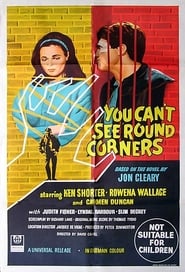
Frankie McCoy (Ken Shorter) is a born loser from the Sydney suburb of Newtown, and a gambler and a bit of an SP bookie. When he's conscripted into the army to fight in the Vietnam war, he deserts, but in pursuit of money, he falls into debt with SP bookies at the local pub. This film, shot at Kapooka camp, contains one of the only depictions in Australian cinema of soldiers training for Vietnam.
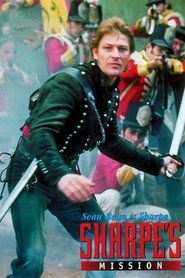
Sharpe is teamed with a Colonel he helped promote and they are tasked to destroy a powder magazine, but an alliance with the French may threaten their success. Meanwhile, Jane is wearying of the army life and Harper and Ramona are at odds.
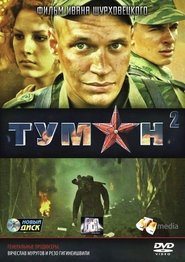
During the Victory day celebration, the heroes realize that the themed military party has been replaced by the reality of the fascist rear. Five guys, known to the audience from the first part of the film, find themselves in a German beer hall. In the confusion of the battle, they manage to escape, but in the confusion, "aliens from the 21st century" accidentally injure a red army soldier named Kantaria. Friends understand that if he does not survive, the course of history will change — who will plant the flag on the Reichstag? Now their task is to get to their own, not to let the future war hero die and, of course, go back to their time…
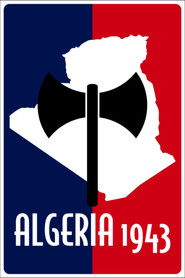
World War II, June 1940. France has fallen and suffers the relentless boot of Nazi Germany. But Algeria, the prized French colony in North Africa, remains part of the territory controlled by the Vichy regime of Marshal Pétain. A strict colonial order is maintained: the French of European origin rule, while local Jews are stripped of French citizenship and discrimination against the mainly Muslim population increases.
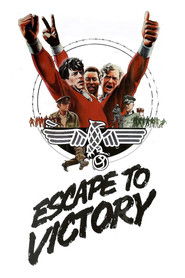
A group of POWs in a German prison camp during World War II play the German National Soccer Team in this powerful film depicting the role of prisoners during wartime.
A group of expat criminals are coerced into a suicide mission behind enemy lines to destroy a game-changing chemical weapon developed by the Nazis and Japanese during World War II.
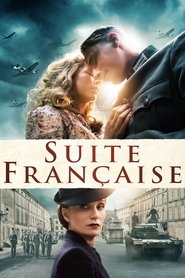
France, 1940. In the first days of occupation, beautiful Lucile Angellier is trapped in a stifled existence with her controlling mother-in-law as they both await news of her husband: a prisoner of war. Parisian refugees start to pour into their small town, soon followed by a regiment of German soldiers who take up residence in the villagers' own homes. Lucile initially tries to ignore Bruno von Falk, the handsome and refined German officer staying with them. But soon, a powerful love draws them together and leads them into the tragedy of war.
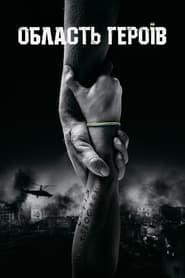
Film reconstruction of five real stories about the heroic deeds of the residents of Kyiv region during the Russian occupation. A story about those who heroically and selflessly saved tens of thousands of Ukrainian lives.
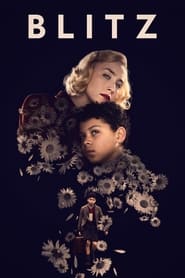
In World War II London, nine-year-old George is evacuated to the countryside by his mother, Rita, to escape the bombings. Defiant and determined to return to his family, George embarks on an epic, perilous journey back home as Rita searches for him.
Jerzy Szajnowicz-Ivanov, the son of a Polish mother and a Russian father, raised in Greece, reports to the Carpathian Brigade in the spring of 1941. While the Poles are wary of him at first, he proves his worth by taking part in several sabotage actions against the Nazis.
A unit of the People's Army celebrates the moment of liberation of the country. They remember the times of occupation, the actions they took, and their fallen colleagues.
In 1803 the Swedish inventor John Ericsson is born. After a military career he went to England and became one of the first builders of locomotives. Despite large debts, he invents the propeller. In 1839 he crosses the Atlantic and builds ships for the US Navy. When the US civil war breaks out, the Federation needs a ship to match the Confederate 'Merrimac' and preventing the Confederation from exporting cotton to Europe. Ericsson builds the 'Monitor', a ship the Federation needs to win the war.
We have detected that you are using an ad blocker. In order to view this page please disable your ad blocker or whitelist this site from your ad blocker. Thanks!