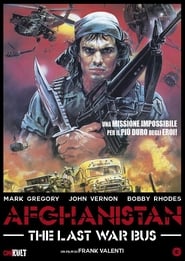
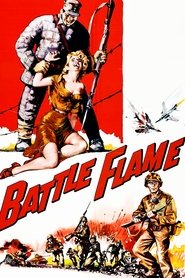
Soldiers find themselves trapped and in mortal danger behind enemy lines in Afghanistan. Their only hope for survival is to board a specially-designed bus. THE WAR BUS!!!!
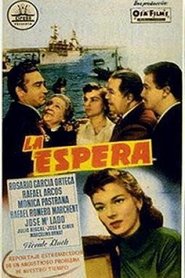
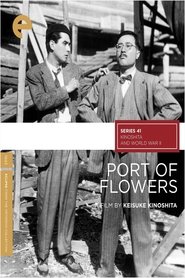
The sweet but naive denizens of a charming port town are hoodwinked by a couple of con men at the outset of World War II. But the hustlers’ plan backfires when they come down with severe cases of conscience. Keisuke Kinoshita’s directorial debut is a breezy, warmhearted, and often very funny crowd-pleaser that’s a testament to the filmmaker’s faith in people.
The plot revolves around Bernard – a schoolfriend of Olivier's who is preparing for his bac – discovering he is a bastard and taking this as a welcome pretext for running away from home. He spends a night in Olivier's bed (where Olivier describes a recent visit to a prostitute and how he did not find the experience very enjoyable). After Bernard steals the suitcase belonging to Edouard, Olivier's uncle, and the ensuing complications, he is made Edouard's secretary. Olivier is jealous and ends up in the hands of the cynical and downright diabolical Comte de Passavant, who travels with him to the Mediterranean.
During Korean War Chinese veteran Du Chuan was ordered to reorganize the reconnaissance platoon to carry out the mission of raiding deep behind enemy lines. In order to survive the main force, the Volunteer Army's third reconnaissance platoon risked their lives in the attack, forged with fearless courage and the belief of living towards death. A Great Wall of flesh and blood was erected to block the enemy's torrent of steel.
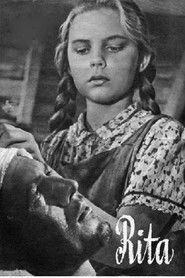
The last summer of World War II in a Latvian fishing village. Ten-year-old Rita risks her life to care for and provide everything necessary for four prisoners of war rescued by fishermen—a Frenchman, a Russian, and two Latvians—who are hidden in the attic of a school converted into a warehouse by the German army.
The seventh and final film of Frank Capra's Why We Fight World War II propaganda film series. This entry attempts to describe the factors leading up to America's entry into the Second World War.
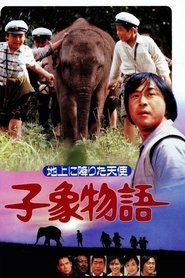
In the winter of 1945, Sakura the elephant gave birth to a baby elephant at Tokyo Fujimi Zoo under the watchful eye of the zookeeper Shota Tanabe. Around the same time, Shota's wife, Setsuko, also gave birth to a son. Hanako, the baby elephant, grows up while deepening her bonds with elementary school students who love zoos. However, as Japan enters the Pacific War, the military orders the animals in the zoos of five major cities to be killed.
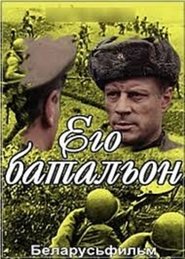
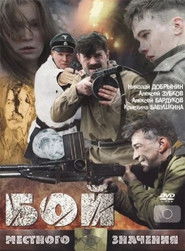
Конец 1943 года. Подразделение советских солдат во главе с молодым, ещё не нюхавшим войны, младшим лейтенантом останавливается в глухой деревеньке, стоящей в стороне от главн
Explores a ticking-clock scenario about what would happen in the event of a nuclear war, based on dozens of exclusive new interviews with military and civilian experts who built the weapons and have been privy to the response plans and have been responsible for those decisions should they need to be made.
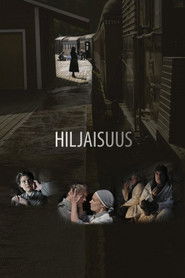
A drama between people under unconventional circumstances. In the Second World War Finland was the only nation who brought casualties killed-in-action back to be buried at home. These actions were carried out by men and women working in assembly centres near enemy lines. Silence is a story of a group of people in a limbo between life and death, in a mental no-man's- land, where heaven and hell, horror and joy, love and fear touch each other.
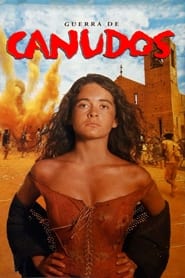
At the end of the 19th century, a poor family comes to the rural Canudos, a community led by Antônio Conselheiro, seen by many as a holy prophet. Their ways bother the powerful people of the region, and the newly founded Republic sends their army to destroy the settlement, which culminates in one of the bloodiest wars in the history of Brazil.
We have detected that you are using an ad blocker. In order to view this page please disable your ad blocker or whitelist this site from your ad blocker. Thanks!