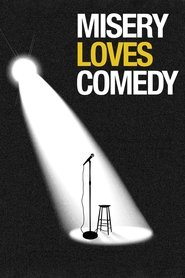
Do you have to be miserable to be funny? More than sixty comedians—including stand-ups, writers, actors, and directors from the US, Canada, and abroad—take on this question, sharing anecdotes and insights with lively enthusiasm.
Six individuals from different generations recall the golden age of Cebuano cinema, modern Cebuano cinema, their experiences, and discuss their aspirations about the future of Cebu’s film scene.
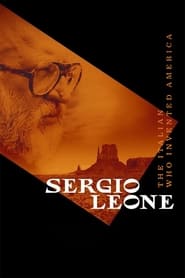
To mark the recent thirtieth anniversary of Sergio Leone’s death, this documentary sets out to pay tribute to one of the great legends of world cinema. The singular artistic vision of Sergio Leone has transcended national borders, creating the Spaghetti Western genre and transforming the international cinematic panorama forever with his innovative stylistic and narrative solutions, which have now become part of the language of the movies. The film, which is enriched with precious archive footage from the Cineteca di Bologna, including rare audio recordings and film clips shot behind the scenes, sees for the first time the direct participation of the Leone family and has interviews both with Leone’s longtime collaborators and with icons of Hollywood who have been profoundly influenced by his work.
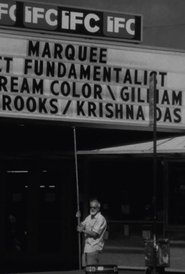
Joe Stankus’s MARQUEE (2012) is a lyrical black-and-white visit with now-retired longtime IFC Center usher Larry Alaimo as he changes the letters on the theater’s iconic marquee and reminisces about a life at the movies.
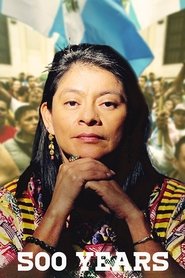
From a historic genocide trial to the overthrow of a president, the sweeping story of mounting resistance played out in Guatemala’s recent history is told through the actions and perspectives of the majority indigenous Mayan population, who now stand poised to reimagine their society.
Uli Köhler and Nick Golücke have visited the protagonists of the 1990 World Cup 20 years after their championship win and looked back together.
The Writers Nick Golücke and Uli Köhler have, 20 years after World Cup triumph of the German national soccer team in Rome in 1990, visited the protagonists of back then once again and indulge with them together in memories.
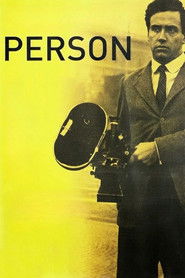
Person is a documentary about the life and work of filmmaker Luiz Sérgio Person. The documentary brings the reconstruction of the history of the São Paulo filmmaker through the personal journey of his daughter, Marina. Through interviews with friends, family, and people who worked with Person, she seeks to discover more than dates and biographical data.
The entire process of making Star Wars: Episode I - The Phantom Menace (1999) is shown here in this documentary. From pre-production through post-production, we get to see visual effects meetings, John Williams' music sessions, and even the storm that wiped out the pod-racers & props.
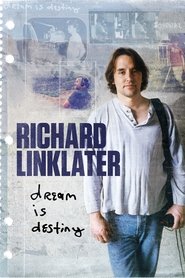
Highlighting one of the most innovative American directors, this film reveals the path traveled by the auteur from his small-town Texas roots to his warm reception on the awards circuit. Long before he directed Boyhood, Richard Linklater’s intense desire to create fueled his work outside the Hollywood system. Rather than leave Texas, he chose to collaborate with like-minded artists crafting modest, low-budget films in a DIY style. His ability to showcase realistic characters and tell honest stories was evident from his films, and others soon took notice of his raw talent.
A documentary that examines the cultural stereotype of the people of Appalachia and how that has affected America's relationship with its rural communities.
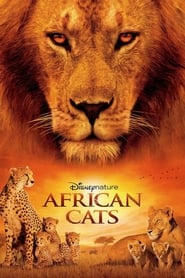
African Cats captures the real-life love, humor and determination of the majestic kings of the savanna. The story features Mara, an endearing lion cub who strives to grow up with her mother’s strength, spirit and wisdom; Sita, a fearless cheetah and single mother of five mischievous newborns; and Fang, a proud leader of the pride who must defend his family from a once banished lion.
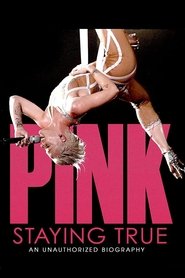
Pink breaks the mold once again, bringing her career to a new level in 2013 with a world tour that entertains unlike ever before! Get inside access to "the girl who got the party started" with exclusive interviews and rare live performances.
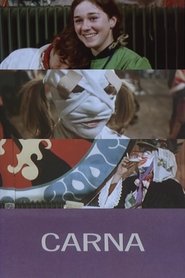
Although it was actually an impersonal commissioned film, the director's style is clearly recognizable. Once again he manages to make something that is normal very strange: the dancing people in costumes are filmed in such a way that they look bizarre and absurd. Jan de Bont's camerawork shows a series of color images of dancing people, edited to the rhythm of the music. Halfway through the film, a lonely clown can be seen among the dancing crowd, accompanied by sad music. This clown is played by Ditvoorst himself.
We have detected that you are using an ad blocker. In order to view this page please disable your ad blocker or whitelist this site from your ad blocker. Thanks!