A comprehensive behind-the-scenes piece that features raw footage from the production studios and work stations, introductions and in-depth interview clips with many of the key artists and filmmakers, an examination of the manga that inspired the film, a look through some of the key components in the filmmaking process (storyboards, adapting the manga, production meetings, and many of the steps along the way), and more, even some "life and times" highlights as the filmmakers go about their routine and work commitments. The piece plays sort of like a dramatic "reality television" program at times, but it's an absorbing look into the wonderful world of animated film creation.
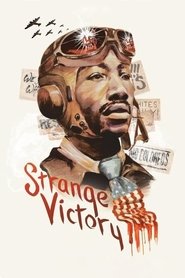
Strange Victory" is about racial bias in post World War II America. Following "Native Land" in Leo Hurwitz' filmography, it uses some of the same techniques: dramatized scenes interspersed with scenes of compilation news reel footage, and scenes of evocative imagery.
A group of filmmakers talk about their appreciation for "GoodFellas" (1990) and how it has influenced their work. Jon Favreau, Allan and Albert Hughes, Joe Carnahan, Richard Linklater, Antoine Fuqua and Frank Darabont are interviewed about the film.
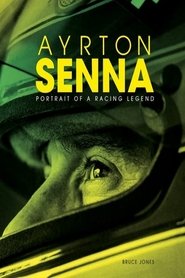
The BBC's award winning documentary looking at the impact the death of Ayrton Senna had upon the world of motor racing. Featuring interviews with key people from Senna's life in motor sport.
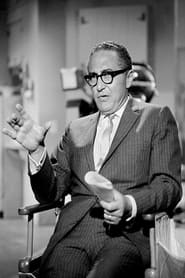
A loving tribute to a forgotten pioneer of the golden age of television. Starting out as a Runyonesque character actor, Sheldon Leonard went on to produce some of the most beloved and groundbreaking shows of all time, such as The Andy Griffith Show, The Danny Thomas Show, The Dick Van Dyke Show and I Spy. A rare treat, this film is a delightful retrospective of Leonard’s body of work, including priceless clips from his productions— as well as his hilarious appearances on shows such as The Jack Benny Program—and interviews with many of his friends and colleagues, including Mary Tyler Moore, Andy Griffith, Dick Van Dyke, Carl Reiner, Ron Howard and Leonard himself.
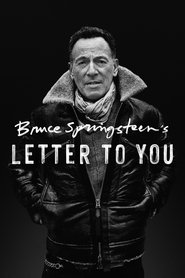
A tribute to The E Street Band, rock 'n' roll, and the way music has shaped Bruce Springsteen's life, this documentary captures Bruce reflecting on love and loss while recording with his full band for the first time since Born in the U.S.A.
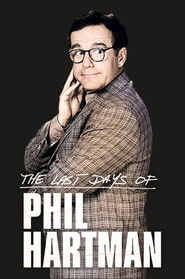
Phil Hartman is best known for his iconic impersonations of Bill Clinton in countless "Saturday Night Live" skits, voicing Troy McClure on "The Simpsons" and starring in the sitcom "NewsRadio." Despite his professional success, Hartman's personal life was far from perfect.
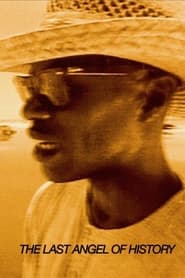
An examination of the hitherto unexplored relationships between Pan-African culture, science fiction, intergalactic travel, and rapidly progressing computer technology.
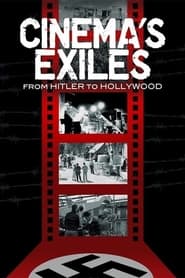
Eight hundred German filmmakers (cast and crew) fled the Nazis in the 1930s. The film uses voice-overs, archival footage, and film clips to examine Berlin's vital filmmaking in the 1920s; then it follows a producer, directors, composers, editors, writers, and actors to Hollywood: some succeeded and many found no work. Among those profiled are Erich Pommer, Joseph May, Ernst Lubitsch, Fritz Lang, Billy Wilder, and Peter Lorre. Once in Hollywood, these exiles helped each other, housed new arrivals, and raised money so others could escape. Some worked on anti-Nazi films, like Casablanca. The themes and lighting of German Expressionism gave rise in Hollywood to film noir.
While everyone wants to die "at home" without suffering and surrounded by loved ones, in reality almost everyone dies in hospital. What healthcare provisions enable people to die at home? Are we all equal in terms of the support we receive, regardless of where we live? Young caregivers in a home hospitalization unit drive day and night along the Alabaster Coast. From house to house, from dying person to dying person. Accompanying a dying person at home also means accompanying their loved ones, immersing oneself for a few days or weeks in the intimacy of a family history. Thanks to them, the end of life returns to the home, to the family, and is rehumanized.
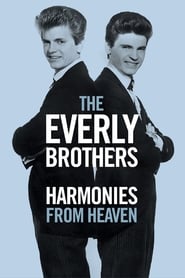
Documentary which celebrates, over the period covering the end of the 1950s and the beginning of the 60s, the phenomenon of the Everly Brothers, arguably the greatest harmony duo the world has witnessed, who directly influenced the greatest and most successful bands of the 60s and 70s - The Beatles, The Stones, The Beach Boys and Simon & Garfunkel to name but a few.
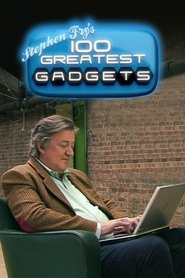
Gadget aficionado Stephen Fry chooses and presents his 100 all-time favourite contraptions, from the tin opener, trouser press and answering machine to the apple peeler, iron and iPod
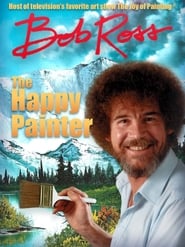
A behind-the-scenes look at the beloved public television personality's journey from humble beginnings to an American pop-culture icon. "The Happy Painter" reveals the public and private sides of Bob Ross through loving accounts from close friends and family, childhood photographs and rare archival footage. Interviewees recount his gentle, mild-mannered demeanor and unwavering dedication to wildlife, and disclose little-known facts about his hair, his fascination with fast cars and more. Film clips feature Bob Ross with mentor William Alexander and the rough-cut of the first "Joy of Painting" episode from 1982. Famous Bob Ross enthusiasts, including talk-show pioneer Phil Donahue, film stars Jane Seymour and Terrence Howard, chef Duff Goldman and country music favorites Brad Paisley and Jerrod Niemann, provide fascinating insights into the man, the artist and his legacy.
We have detected that you are using an ad blocker. In order to view this page please disable your ad blocker or whitelist this site from your ad blocker. Thanks!