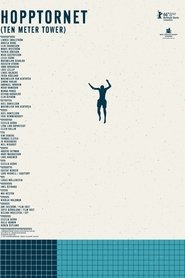
10 Meter Tower is a short film taking place in a swimming pool with 6 cameras aimed at the tallest diving tower. All focus is on the 43 people between 9 and 78 years old. They have one thing in common, this is the first time in their lives they climb up to the platform to make the decision whether to jump or not. The situation itself highlights a dilemma: to weigh the instinctive fear of taking the step out against the humiliation of having to climb down.
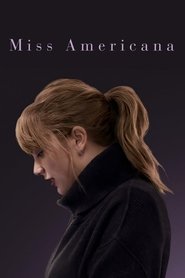
A raw and emotionally revealing look at one of the most iconic artists of our time during a transformational period in her life as she learns to embrace her role not only as a songwriter and performer, but as a woman harnessing the full power of her voice.
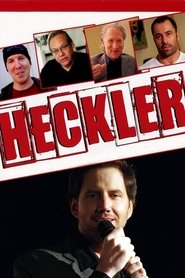
HECKLER is a comedic feature documentary exploring the increasingly critical world we live in. After starring in a film that was critically bashed, Jamie Kennedy takes on hecklers and critics and ask some interesting questions of people such as George Lucas, Bill Maher, Mike Ditka, Rob Zombie, Howie Mandel and many more. This fast moving, hilarious documentary pulls no punches as you see an uncensored look at just how nasty and mean the fight is between those in the spotlight and those in the dark.
Co-directed by acclaimed cinematographer Ellen Kuras and subject Thavisouk Phrasavath, this haunting documentary chronicles a refugee family’s epic journey from Laos in the aftermath of the secret war waged by the United States there to New York, where they find themselves fighting a different kind of war on the streets of Brooklyn. Filmed over the course of 23 years, THE BETRAYAL is a visually and emotionally stunning look at the complex ways in which the political shapes the personal.
September 3rd, 1939. Britain and France declare war on Nazi Germany, only two days after the Wehrmacht invades Poland. This day, the sad date when the fate of the world changed forever, the Phoney War began: eight months of uncertainty, preparations, evacuations and skirmishes.
Adrian Edmondson gives a first-hand account of making the hit show "Bottom" with the late, great Rik Mayall. His account comes alongside contributions from a host of the show's cast, crew and fans.
Examining the violent death of the filmmaker’s brother and the judicial system that allowed his killer to go free, this documentary interrogates murderous fear and racialized perception, and re-imagines the wreckage in catastrophe’s wake, challenging us to change.
A documentary examining possible historical and modern conspiracies surrounding Christianity, the 9/11 terrorist attacks, and the Federal Reserve bank.
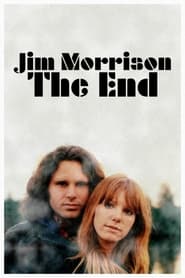
Paris, Rue Beautreillis, July 3, 1971. The corpse of rock star Jim Morrison is found in a bathtub, in the apartment of his girlfriend Pamela Courson. The chronicle of the last months of the life of the poet, singer and charismatic leader of the American band The Doors, one of the most influential in the history of rock.
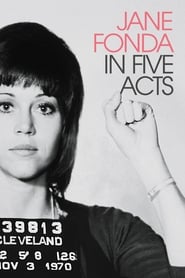
Girl next door, activist, so-called traitor, fitness tycoon, Oscar winner: Jane Fonda has lived a life of controversy, tragedy and transformation – and she’s done it all in the public eye. An intimate look at one woman’s singular journey.
His unforgettable scores are an essential part of some of the most beloved movies of our time, over a career that spans decades. See and hear maestro John Williams' own story, with insights from filmmakers, musicians, and others he has inspired, complete with rare behind-the-scenes looks at the making of movie history.
This short film "Torerillos 61" is one of the first works of the master Patino, which tries to portray the Spanish society of the time outside the state convention and dodging the hand of censorship. Social commitment is the brand director throughout his long career, starting with short films such as this one, made in the early sixties, in the wake of the statements in Talks Salamanca. The sadness off the characters portrayed is bleak, "Maletillas" (aspiring bullfighters) in search of luck to pull them out of poverty.
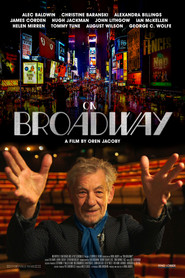
An all-star cast tells the inside story of the Broadway theater, and how it came back from the brink thanks to innovative work, a new attention to inclusion and a sometimes uneasy balance between art and commerce. Legends of the stage and screen—including Helen Mirren, Christine Baranski, August Wilson, James Corden, Alec Baldwin, John Lithgow, Viola Davis, Hugh Jackman and Ian McKellen—take us behind the scenes of Broadway's most groundbreaking and beloved shows, from A Chorus Line to Hamilton. Iconic performances by Lin Manuel Miranda, Patti LuPone, Bernadette Peters, James Earl Jones and Mandy Patinkin lead the way on a hurly burly ride through Times Square, once again the main street of American show business in this documentary directed by Academy-Award nominee Oren Jacoby.
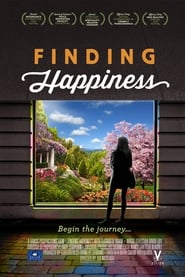
Finding Happiness is a film that captures a joyful reality. With a unique story directly from the heart and soul of each person who has lived it. Told through the eyes of a New York investigative journalist, Finding Happiness takes us on a journey to see how people can live in harmony, collaboration, compassion, cooperation, peace and love together in a conscious community called Ananda - which means "joy".
We have detected that you are using an ad blocker. In order to view this page please disable your ad blocker or whitelist this site from your ad blocker. Thanks!