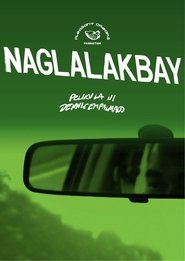
The diaspora of Filipinos around the globe is driven mostly by the economics of supply and demand. The yearning for something better, stability, and self-validation leads a handful of sojourners from the provinces of the Philippines into the arms of one of its former colonial masters — the USA. But what happens when they finally get what they want? And how? Filmmaker Dennis Empalmado explores the musings of Filipino expatriates and hopeful immigrants in "Naglalakbay" (Travelers).
One of the most daring and radical shows presented in Brazilian television: "Abertura". It was broadcast between February and October, 1979, with weekly editions, presented by Brazilian filmmaker Glauber Rocha. The video is a compilation of characters, statements, and interviews about the political and cultural situation of the country during the final stages of the Military Dictatorship.
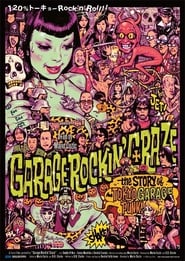
A savage journey into the heart of underground Tokyo rock and roll, a look at the people who make it thrive, and stories of their dedication to keeping DIY culture alive.
A celebratory documentary looking back at the 30 years since comedy legend Mr Bean landed on our screens. This documentary explores the magic behind this unlikely hero.
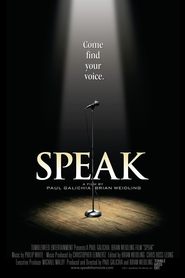
About the fear of public speaking and chronicles several characters as they prepare for the World Championships of Public Speaking. One leaves behind a job and his wife and 6 kids on his quest to be the best. Another spends 6 weeks writing and rewriting his speech only to write it once more 72 hours before the contest. For another, it is a fight for life that gives her the strength to speak and tell her story while she still has time. They all want to share with the world their very personal stories of triumph over adversity. But only one will be named the World's Best Speaker.
A young family leaves their home on Kauai. It is time to return to the itinerant path from which all things in their uncommon lives come; beginning and ending on a remote dot in the Pacific. They nomadically trace continents to places where waves meet their edges, envoys of aloha. It is what they will learn, what they bring others, what they will pass on to their children in the hyper-expanded classroom, the lab of direct being; a legacy passed from a father to his family.
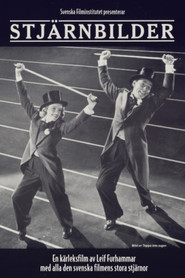
A tribute to Swedish film, which was made to celebrate the 100th anniversary of film in 1995 and consists of about a hundred clips from Swedish film history with many of its stars.
Commemorates 100 years since the release of the German classic, Nosferatu, by FW Murnau, and explores the general fascination of Count Dracula, a figure who resonates with audiences across the literary, art, mythological and historical worlds.
In this crazy, chaotic gospel of chance, aspiring filmmakers Chris Stamp and Kit Lambert set out to search for a subject for their underground movie, leading them to discover, mentor, and manage the iconic band known as The Who and create rock 'n' roll history.
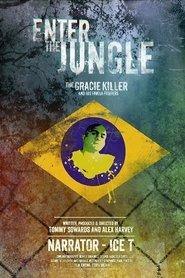
This feature documentary is the first to explore the rise of Brazilian MMA. We look at how 'Jungle Fight' came into being, starting out in Manaus, Amazonas in the heart of the Amazon rain forest, lead by the figure of Wallid Ismail. Documentary narrated by rap legend Ice-T directed by Alex Harvey and Tommy Sowards
The artist walks with a stride, his camera pointed up from around his stomach. The sky, some trees and occasionally his head pops up in the lower third. The title is taken from an essay by James Baldwin.
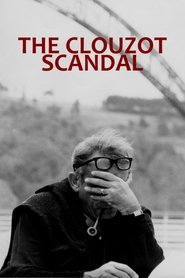
Great filmmakers claim the artistic influence of French director Henri-Georges Clouzot (1907-1977), a master of suspense, with a unique vision of the world, who knew how to offer both great shows and subtle studies of characters. Beyond the myth of the tyrannical director, a contrasting portrait of a visionary, an agitator, an artist against the system.
Antiquarian bookstores are most often associated with the tranquility of visitors and the quiet due to old, dusty books. This one in Warsaw, however, is quite different. One comes here not only for the books, which one has to dig out oneself with difficulty from the piles piled up in a small room. Customers are mostly regulars, who treat it as a place to meet, talk and confide in people who are often strangers. The shrine is managed by Mr. Krzyś. Like a doctor, he seems to know what hurts his customers and what they need. Despite his coarse nature, he makes the conversations in the antique shop go on from morning to evening.
“I don’t think most people really understood that they were in a casino” says award-winning financial reporter Mark Pittman. “When you’re in the Street’s casino, you’ve got to play by their rules.” This film finally explains how and why over $12 trillion of our money vanished into the American Casino.
We have detected that you are using an ad blocker. In order to view this page please disable your ad blocker or whitelist this site from your ad blocker. Thanks!