Lizzie Gardiner, Oscar-winning costume designer and long-standing friend of Stephan Elliott (Priscilla Queen of the Desert) was given permission to document the whole filming process of Eye Of The Beholder. Through the eyes of Gardiner, we are taken on a personal and intimate journey with Elliott and the cast and crew, witnessing the frustration and exhilaration of film making first hand.
Jean-Christophe Klotz was a cameraman for a French broadcast news service in 1996 when he was sent to Rwanda to cover the growing violence between ruling Hutus and rival Tutsi tribespeople. What Klotz saw profoundly shocked him, as bodies littered the sides of the roads and bloody massacres became the order of the day. In between interviews with government officials and United Nations forces vainly struggling to contain the violence, Klotz captured the mayhem on film, believing that if world leaders saw what was happening, they would step forward to stop the violence. When Klotz was injured while filming an attack, he was sent back to Paris, and while his footage was aired, French forces only belatedly arrived, ultimately doing more to protect those who caused the massacre than bringing them to justice. Years later, Klotz used his footage to help identify some of the victims of the killings, and in 2006 he returned to Rwanda to visit the nation after the violence had ceased.
Meet the dedicated men and women who bring the Middle Ages to the present day, training for years to perfect their skills. They become expert horseback riders, learn to joust in full armor, and perfect intricate swordplay to thrill their audiences day after day. They endure bruises, broken bones, and heartbreaking losses all in pursuit of being crowned the champion of the Knight Life.
In the mid-1990s, spurred on by both the sudden world-domination of bands such as Oasis and Prime Minister Tony Blair's "Cool Brittania" campaign, British culture experienced a brief and powerful boost that made it appear as if Anglophilia was everywhere--at least if you believed the press. Pop music was the beating heart of this idea, and suddenly, "Britpop" was a movement. Oasis, their would-be rivals Blur, Pulp, The Verve, and many more bands rode this wave to international chart success. But was Britpop a real phenomenon, or just a marketing ploy? This smart and often hilarious documentary probes the question with copious interviews from Noel and Liam Gallagher of Oasis, Pulp's Jarvis Cocker, Damon Albarn of Blur, Sleeper's Louise Wener, and many other artists and critics who suddenly found themselves at the cultural forefront.
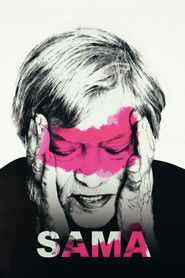
Alone is about the 91-year-old actress and writer Luba Skořepová, who used to be a member of Czech National Theatre group for almost 70 years. She still wants to work but for many people she is too old. So she tries to manage her last play from her small apartment by a cell phone. The film is about hope and about hopelessness of faded glory.
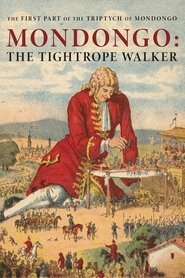
Situation 1: Mondongo, a duo of Argentinian artists, create a work inspired by The Art of colors, a treatise by Johannes Itten. Situation 2: A filmmaker begins a portrait of them.
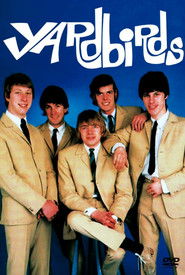
With Eric Clapton, Jeff Beck, and Jimmy Page as successive lead guitarists, The Yardbirds were one of rock's greatest bands. Kicking into high gear in 1964 behind Eric Clapton's blistering lead guitar, the led the British blues revival, becoming the prototype for late-'60s psychedelia. When Clapton left, soon joining John Mayall's Bluesbreakers, Jeff Beck stepped in. Then Jimmy Page joined, and he and Beck shared lead guitar in what was potentially the best rock band in the world. When Beck departed in 1966 (forming the Jeff Beck Group the following year), Page took the band into a heavier, more experimental direction that eventually became the genesis of Led Zeppelin. In this definitive documentary, the band performs all their classic tracks, and the members recall the explosive beginning of rock's second wave--when they were the most blues-wailing band in the land.
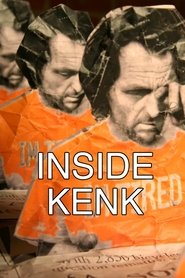
Igor Kenk was known as the world's most prolific bicycle thief. His shop in Toronto notoriously sold stolen bikes back to their original owners. In 2008 he was arrested and jailed, after which he sold his shop and disappeared. Ten years later in Switzerland, Igor reflects on his past and his new life.
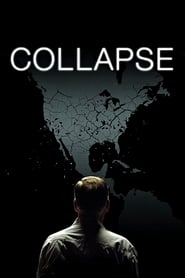
From the acclaimed director of American Movie, the documentary follows former Los Angeles police officer turned independent reporter Michael Ruppert. He recounts his career as a radical thinker and spells out his apocalyptic vision of the future, spanning the crises in economics, energy, environment and more.
The most famous murder scene in movie history comprises 78 camera settings and 52 cuts: the shower scene in Alfred Hitchcock's Psycho. 78/52 tells the story of the man behind the curtain and his greatest obsession.
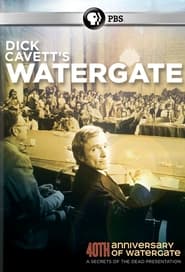
From 1972 to 1974, the Watergate scandal was frequently a part of “The Dick Cavett Show.” In fact, Cavett was at the forefront of national TV coverage, interviewing nearly every major Watergate figure as the crisis unfolded. With exclusive access to the archive of the show, documenting the scandal in the words of the people who lived it: from the botched burglary at the Democratic National Headquarters; to the must-see TV of the daily Congressional Watergate hearings; to the ongoing behind-the-scenes battle between the White House and “The Dick Cavett Show,” culminating with the resignation of President Nixon on August 9, 1974. Offering a unique opportunity to mark the 40th anniversary of a defining moment in American history.
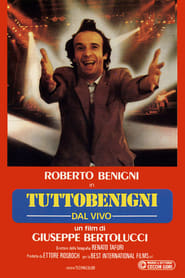
The film presents many clips taken from the television and theatrical shows of the Tuscan comedian who makes fun of the habits of the Italians and of the governing politics of the eighties.
The Gettysburg Address is the subject of a new documentary by Ken Burns. The documentary tells the story of students at the Greenwood School whose study of the Gettysburg Address brings new understanding to the speech.
Through the experiences of two women in Paris and London, Ghost Dance offers an analysis of the complexity of our conceptions of ghosts, memory and the past. The film focuses on the French philosopher Jacques Derrida, who observes, 'I think cinema, when it's not boring, is the art of letting ghosts come back.' He also says that 'memory is the past that has never had the form of the present.'
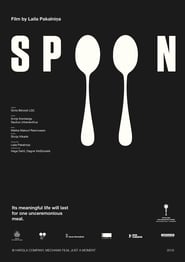
A film about a plastic spoon and a society that has reached a high level of development – oil is being retrieved from subterranean depths, transported to processing plants, turned into plastic, transported to another plant, where it acquires the shape of a spoon, transported to convenience stores, where we buy it, and is then soon tossed into the trash. In other words, this is a film about the efforts put into making a spoon that can be thrown away so effortlessly.
We have detected that you are using an ad blocker. In order to view this page please disable your ad blocker or whitelist this site from your ad blocker. Thanks!