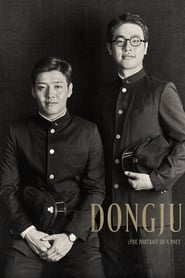
Based on a true story, renowned Korean poet, Yun Dong-ju, is detained and abused by the Japanese for participating in the Korean Independence Movement.
The true story of rushed investigations, political interference, and the grasp for corporate accountability woven amongst heart wrenching flashbacks of the Titanic disaster as it unfolded.
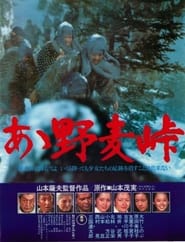
The story of the silk industry and the young girls who worked as silk spinners in the early 1900s in Japan. The silk mills were located in Okaya which lies just beyond the Nomugi Pass. The women and girls worked in a hot, humid atmosphere without rest, and endured those conditions and sexual harassment to earn money for their poor families. Across the ocean, it was the great depression in America.
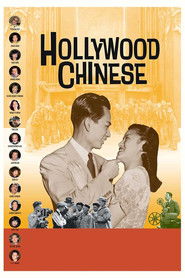
Hollywood Chinese is a captivating look at cinema history through the lens of the Chinese American experience. Directed by triple Sundance award-winning filmmaker, Arthur Dong, this documentary is a voyage through a century of cinematic delights, intrigues, and treasures. It weaves together a wondrous portrait of actors, directors, writers, and movie icons who have defined American feature films, from the silent era to the current new wave of Asian American cinema. At once entertaining and enlightening, Hollywood Chinese reveals long-untold stories behind the Asian faces that have graced the silver screen, and weaves a rich and complicated tapestry, one marked by unforgettable performances and groundbreaking films, but also by a tangled history of race and representation.
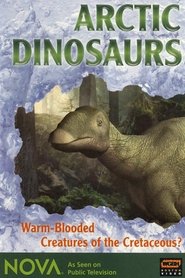
Dinosaurs are generally considered tropical animals. So what are their fossils doing north of the arctic circle? Paleontologists battle the fierce climate to find out if the arctic was warmer then than it is now, or the arctic was farther from the North Pole, or the dinosaurs were migratory animals, or if they were warm-blooded.
The events in Sarajevo in June 1914 are the backdrop for a thriller directed by Andreas Prochaska and written by Martin Ambrosch, focusing on the examining magistrate Dr. Leo Pfeffer (Florian Teichtmeister) investigating the assassination of Archduke Franz Ferdinand. Trying to do his job in a time of lawlessness and violence, intrigues and betrayal, Leo struggles to maintain his integrity and save his love, Marija, and her father, prominent Serbian merchant. But the events of Sarajevo have set into motion an inescapable course of events that will escalate to become … the Great War.
"Zapatista" is the definitive look at the uprising in Chiapas. It is the story of a Mayan peasant rebellion armed with sticks and their word against a first world military. It is the story of a global movement that has fought 175,000 federal troops to a stand still and transformed Mexican and international political culture forever.
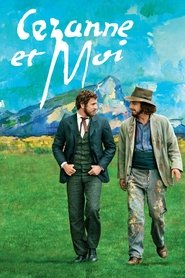
They loved each other with the ardor of thirteen-year-old boys. Rebellion and curiosity, hopes and doubts, girls and dreams of glory – they shared it all. Paul was rich, Emile poor. They went skinny-dipping, drank absinthe, starved, only to overeat. Sketched models by day, caressed them by night... Now, Paul is a painter and Emile a writer. Glory has passed Paul by. But Emile has it all: fame, money, the perfect wife, whom Paul once loved. They judge each other, admire each other, confront each other. They lose touch, meet up again, like a couple who cannot stop loving each other.
On June 17, 1953, there was an outrageous action between the Elbe and the Oder: the people in the GDR refused obedience to their political leadership. The story takes place in Bitterfeld and tells the story of a family involved in the political events around 17 June.
1935 Los Angeles, community leader Sei Fujii uncovers the corrupt activities of his community's underground mafia. He must choose between saving the face of his deteriorating community and confronting the issues head on through his newspaper. Based on a true story.
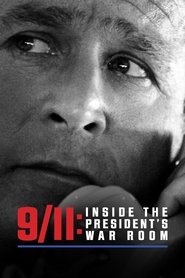
Experience the events of September 11, 2001 through the eyes of President Bush and his closest advisors as they personally detail the crucial hours and key decisions from that historic day.
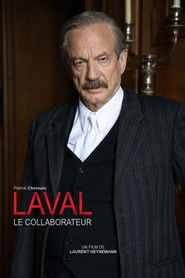
Several times president of the Council, at the end of the 1930s Pierre Laval became one of Marshal Pétain's strongmen, a loyal collaborator for the Germans. Rounding-up Jews, forced labour, tracking the French resistance..., he served Hitler faithfully to the end. When France was liberated, he was tried, condemned, shot.
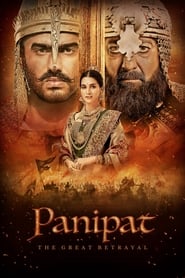
During 18th century India, the Marathas emerged as the most powerful empire in the nation until the Afghan King Ahmad Shah Abdali plans to take over India. Sadashiv Rao Bhau is brought in to save the empire from the king which then leads to the third battle of Panipat.
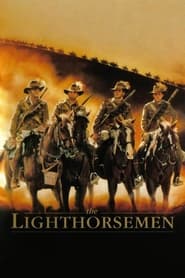
In 1917 when the British forces are bogged down in front of the Turkish and German lines in Palestine they rely on the Australian light horse regiment to break the deadlock.
We have detected that you are using an ad blocker. In order to view this page please disable your ad blocker or whitelist this site from your ad blocker. Thanks!