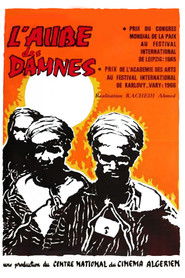
This excellent feature-length documentary - the story of the imperialist colonization of Africa - is a film about death. Its most shocking sequences derive from the captured French film archives in Algeria containing - unbelievably - masses of French-shot documentary footage of their tortures, massacres and executions of Algerians. The real death of children, passers-by, resistance fighters, one after the other, becomes unbearable. Rather than be blatant propaganda, the film convinces entirely by its visual evidence, constituting an object lesson for revolutionary cinema.
Although traumatized by witnessing the murder of his parents by one of the Choushuu, Ichimura Tetsunosuke's thirst for revenge leads him to desire strength. At the age of 15, Tetsunosuke approached the Shinsengumi, wanting to become one of its members. However, Tetsunosuke lacked the skill, mind, and will to emotionlessly cut down whoever threatened peace and the Shinsengumi. Even with the support of his brother Tatsunosuke and his newfound friends of the Shinsengumi, little did Tetsunosuke know the blood and pain he would have to face being part of this historical group.
It follows political events in Russia at the beginning of the century, during the birth of the Social Democratic Party, among the first fighters of which was Vera Protasova, the daughter of a lawyer who defended Narodnaya Volya members in court.
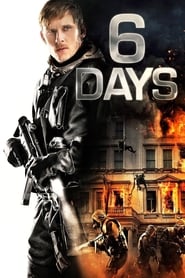
London, England, April 1980. Six terrorists assault the Embassy of Iran and take hostages. For six days, tense negotiations are held while the authorities decide whether a military squad should intervene.
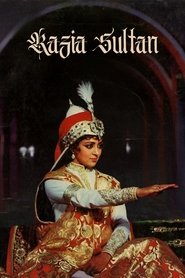
The film is based on the life of Razia Sultan (1205–1240), the only female Sultan of Delhi (1236–1240) and her speculated love affair with the Abyssinian slave, Jamal-ud-Din Yakut.
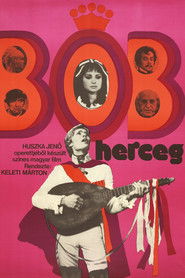
George, Prince of Wales mingles with the crowd in Bowie Street in disguise under the pseudonym Bob. He falls in love with the poor Uncle Tom's daughter, Annie. But to save his business, the indebted Uncle Tom promised her to the usurer Plumpudding.
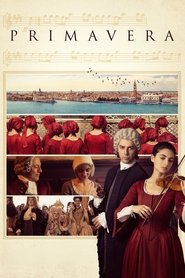
In 18th-century Venice, 20-year-old violin virtuoso Cecilia lives at the Pièta orphanage, where, despite her talent, she remains confined, knowing that marriage is the only way out. Yet, her life takes a turn after she meets Antonio Vivaldi, a brilliant and ambitious composer who becomes the new violin teacher. Guided by Vivaldi and his music, Cecilia finds the strength to challenge the destiny that once seemed inevitable.
Set during the tense 19 days of the Yom Kippur War in 1973, Israeli Prime Minister Golda Meir is faced with the potential of Israel’s complete destruction. She must navigate overwhelming odds, a skeptical cabinet and a complex relationship with US Secretary of State Henry Kissinger, with millions of lives in the balance. Her tough leadership and compassion would ultimately decide the fate of her nation and leave her with a controversial legacy around the world.
Aging King George III of England is exhibiting signs of madness, a problem little understood in 1788. As the monarch alternates between bouts of confusion and near-violent outbursts of temper, his hapless doctors attempt the ineffectual cures of the day. Meanwhile, Queen Charlotte and Prime Minister William Pitt the Younger attempt to prevent the king's political enemies, led by the Prince of Wales, from usurping the throne.
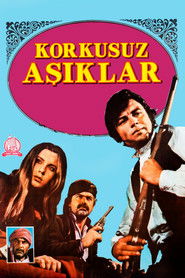
In the harsh times of the small time crime in Istanbul, a conscientious police officer Cumali is recognized by the police chief Ziver Bey who sees Cumali as a threat and matches him with Sekerpare, a famous harlot.
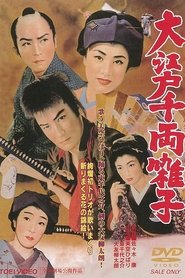
A fellow member of the company named Hanjiro tells Koharu, an actress in a traveling theatrical troupe, about a keepsake folding fan that his lost love Lady Okyo gave him years ago. It turns out this fan is a precious clan heirloom whose possession, for convoluted reasons, will determine the clan's leadership. Sword-slinging bad guys descend to capture the fan, and Koharu embarks on a road trip to Edo to return the MacGuffin to the rightful hands of Lady Okyo.
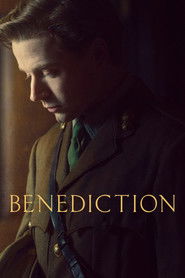
Poet Siegfried Sassoon survived the horrors of fighting in the First World War and was decorated for his bravery, but became a vocal critic of the government's continuation of the war when he returned from service. Adored by members of the aristocracy as well as stars of London's literary and stage world, he embarked on affairs with several men as he attempted to come to terms with his homosexuality.
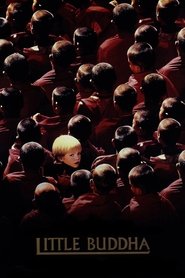
After the death of Lama Dorje, Tibetan Buddhist monks find three children — one American and two Nepalese — who may be the rebirth of their great teacher.
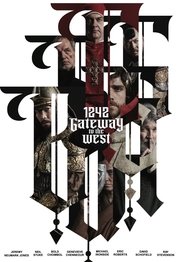
After the Hungarian army was annihilated by the Mongols at the battle of Mohi, only the castle of Esztergom stood in the Mongolians' way of invading the rest of Europe. Batu Khan, the grandson of Genghis Khan, reaches the walls of Esztergom with his invincible troops. The castle's defenders, led by Eusebius, the canon of Esztergom, and a Spanish mercenary, Captain Simon, are preparing for the final battle. The sudden arrival of Cardinal Cesareani, the Papal Legate, coinciding with the Mongol Lunar New Year celebrations and the mystical practices of Eusebius, combine to offer the defenders a small glimmer of hope.
Life in 1847 Paris is as spirited as champagne and as unforgiving as the gray morning after. In gambling dens and lavish soirees, men of means exert their wills and women turned courtesans exult in pleasure. One such woman is Marguerite Gautier, who begins a sumptuous romance with Armand Duval.
We have detected that you are using an ad blocker. In order to view this page please disable your ad blocker or whitelist this site from your ad blocker. Thanks!