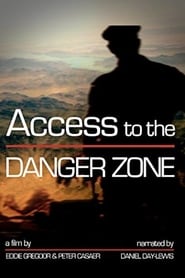
Directed by Peter Casaer and narrated by Daniel Day-Lewis, this documentary provides a harrowing look at the challenges of delivering humanitarian aid in armed conflicts. “Access to the Danger Zone” explores the strategies that Doctors Without Borders has employed to save lives in the world’s worst war zones, including Afghanistan, Somalia, and eastern Democratic Republic of Congo—strategies that are tested each and every day. Interviews with key experts from Doctors Without Borders, the International Committee of the Red Cross, and the United Nations are accompanied by dramatic footage shot in these countries in 2011 and 2012.
A multimedia original film production commissioned by the USS Midway Museum in San Diego, focusing on the young men who sailed and flew into the teeth of the Japanese Navy.
The film takes place in 1944 in a Moldovan village that had just been liberated by the Soviet Army. A young teacher creates a school pioneer organization. He is opposed by the school principal, who is hiding a fascist agent. With the help of a young teacher and his students, police officers manage to neutralize the criminal.
In 1904 during the Russo-Japanese War, a Japanese naval officer gets his wife to seduce a British attaché in order to gain secrets from him. Things begin to go wrong when she instead falls in love with him. Adapted from a novel by Claude Farrère.
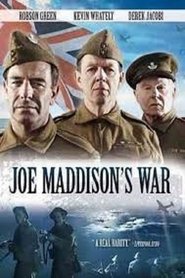
Newcastle, 1939. Shipyard worker Joe feels emasculated and past his prime; too old to serve in the war, and he’s shocked when his wife leaves him for a younger naval officer. Needing a new challenge, Joe and his friend Harry reluctantly volunteer to join the Home Guard.
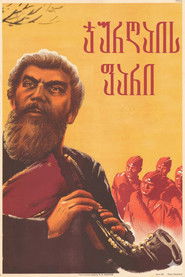
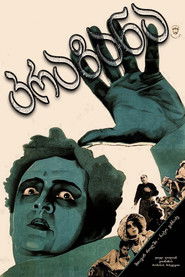
In the Caucasus foothills, battles rage against the German fascist invaders who have broken through. Reinforcements, including Russians, Ukrainians, and Kazakhs, are moving to defend the region. Along the way, the soldiers stop at a half-ruined ancient castle. There, a grey-haired old man recounts the legend of Dzhurga, a valiant warrior who once lived there. The legend comes to life on the screen, depicting a wedding feast in the castle where Dzhurgai celebrates his union with a shepherdess. However, the festivities are interrupted by a foreign enemy attacking Georgia. Led by Dzhurgai, Georgian warriors fight bravely and emerge victorious against the Mongol hordes.
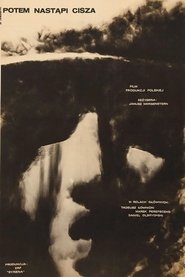
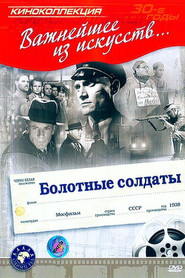
The film takes place in a small town where the Germans are getting ready to retreat near the end of the war. But a carload of Russian prisoners get people to feed them, then the prisoners overcome their guards and escape. The town people try to save them from the Germans but do not succeed.
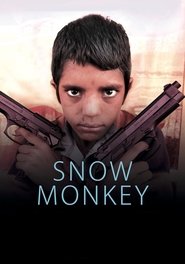
For almost 50 years, activist artist George Gittoes has stood on the frontlines of the world's most brutal conflicts and borne witness to the best and the worst of humanity. Now living in Afghanistan's remote, Taliban-infested Jalalabad province, Gittoes turns his attention to the lives of the children and outcasts of this war-torn land. In Snow Monkey, Gittoes paints a portrait of a Jalalabad seething with humanity, adversity and hope – focusing on three gangs of children: the Ghostbusters, persecuted Kochi boys who hawk exorcisms of bad luck and demons; the Snow Monkeys, who sell ice cream to support their families; and the Gangsters, a razor gang led by a nine-year-old antihero called Steel, terrifying to the core but still capable of experiencing aspects of the childhood seemingly taken from him. With a deeply humane vision that won him the Sydney Peace Prize, Gittoes shows us the unseen nature of Afghanistan's politics, culture and society, up close and startlingly personal.
It's 11:00 hrs on Wednseday, or is it Friday? Gliding 400ft beneath the surface in the Pacific Ocean sometime in late 1942. A Japanese convoy has been spotted and the U.S.S. Herring is on the prowl. Weeks of wandering aimlessly has given the crew an energy potential that fires more than just torpedoes. With danger all around them, the perplexed Captain and his assortment of quirky seamen somersault from one misadventure into another.
This story of the Nazi prison camps in the 1930s deals with the attempts of the Nazi guards to break the spirit of the Communists in concentration camps.
"Resilience: The Kim LeBel Story" follows the remarkable journey of a woman who overcame a violent, abusive upbringing in Alabama and Georgia to serve honorably in the U.S. Navy. After defending herself from a traumatic family life, Kim joined the military, only to face new challenges—gender discrimination, sexual harassment, and the brutal realities of combat in Afghanistan. Despite being shot and witnessing the horrors of war, Kim's indomitable spirit and courage shine through. Her story is a powerful testament to the resilience of women in the military, offering an intimate portrayal of survival, strength, and triumph against the odds.
In Italy during the first half of the 19th century, Arthur, a student at a seminary, joined the revolutionary society “Young Italy.” His sincere faith in God compelled him to reveal the society’s secret during confession to his new confessor. However, the confessor denounced the society, leading to the arrest of its members.
We have detected that you are using an ad blocker. In order to view this page please disable your ad blocker or whitelist this site from your ad blocker. Thanks!