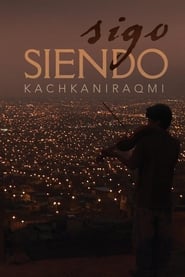
A trip through the diversity of black and native Peruvian music. Character-driven film, one where the characters are integral to the nation itself. This movie delves into music and musicians, yet it's not strictly a musical; rather, it's a tapestry of seemingly disparate personal narratives woven together in a country also striving to define itself and sketch its identity
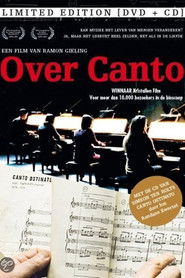
Dutch composer Simeon ten Holt achieved worldwide renown in 1979, when his work for four pianos Canto Ostinato was first performed. Although some music experts viewed it with disdain - it broke with prevailing notions of serialism and tonality - the piece was a huge hit in the contemporary classical music world. In the years since, numerous musicians have released their recordings of Canto, and it is still being performed around the world. Director Ramon Gieling interviewed a large number of people about the sometimes far-reaching impact this composition has had on their lives. One interviewee tells of how Canto was the soundtrack to the birth of her son; another has a section of the score tattooed on his arm. Gieling seeks to unravel the mystery of the universal power of music, and his blend of documentary footage, fiction, essays and archive material produces a multifaceted response to the question of just what it is about this piece that touches people so deeply.
In our current world, where worth is often gauged by online popularity, an economy has developed for paying for followers and likes. Through access inside the “click-farms” of Bangladesh, Like explores the multi-million dollar industry that grows social media followings for celebrities and brands alike.
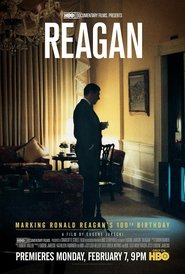
Based on the story of Americas enigmatic career of one of the revered architects of the modern world - icon, screen star, and two-term president, Ronald Reagan.
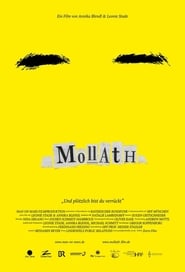
It was and is one of the biggest scandals in recent judicial history - the Gustl Mollath case. Mollath was unlawfully detained in a closed psychiatric ward for seven and a half years. He was declared paranoid and a public danger, allegedly slashed car tires, attacked his wife and made confused accusations about illegal money transactions at Hypovereinsbank. Directors Annika Blendl and Leonie Stade followed Gustl Mollath through the years of his trial and created an intense and nuanced portrait of a man who is still fighting for justice and rehabilitation today. In the course of the film, not only Mollath's supporters and opponents have their say, but also his former defense attorney and lawyer Gerhard Strate, who was able to obtain an acquittal for his client through the retrial.
In 1966, Bene presented The Pink and the Black, his successful theatrical adaptation of Matthew Gregory Lewis’ lurid Gothic novel from 1796. Experimental filmmaker Paolo Brunatto filmed some of the play’s rehearsals in a Rome apartment (also frequented also by the Living Theatre). Bene's artistry is encapsulated in one sentence: “One cannot continue to prostitute the idea of theatre, which stands only for a magical, brutal link with reality."
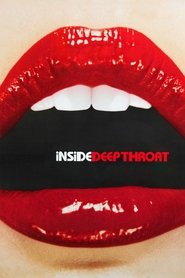
In 1972, a seemingly typical shoestring budget pornographic film was made in a Florida hotel: "Deep Throat," starring Linda Lovelace. This film would surpass the wildest expectation of everyone involved to become one of the most successful independent films of all time. It caught the public imagination which met the spirit of the times, even as the self-appointed guardians of public morality struggled to suppress it, and created, for a brief moment, a possible future where sexuality in film had a bold artistic potential. This film covers the story of the making of this controversial film, its stunning success, its hysterical opposition along with its dark side of mob influence and allegations of the on set mistreatment of the film's star.
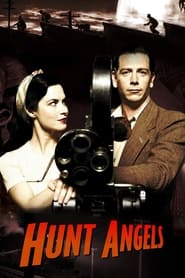
Filmmaking partners Rupert Kathner and Alma Brooks are determined to get their films made by almost any means necessary. Set in the 1930s, this docudrama relates the moviemakers' struggles to jump-start Australia's film industry.
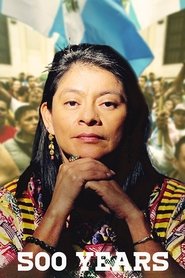
From a historic genocide trial to the overthrow of a president, the sweeping story of mounting resistance played out in Guatemala’s recent history is told through the actions and perspectives of the majority indigenous Mayan population, who now stand poised to reimagine their society.
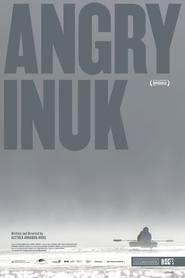
With "sealfies" and social media, a new tech-savvy generation of Inuit is wading into the world of activism, using humour and reason to confront aggressive animal rights vitriol and defend their traditional hunting practices. Director Alethea Arnaquq-Baril joins her fellow Inuit activists as they challenge outdated perceptions of Inuit and present themselves to the world as a modern people in dire need of a sustainable economy.
Marcel Łoziński tells the story of the crime committed by the NKVD in Katyn in 1940. He interweaves accounts of witnesses and survivors with images from the pilgrimage of members of Katyn Families to the place of murder, death and nameless burial of their loved ones.
The 1916 Easter Rising in Dublin was an armed rebellion by Irish republicans against British rule in their country. Sixty years later, Kenneth Griffith interviews nine of those who took part in that historic event. This documentary was filmed in 1976 and completed in 1978. However, it was suppressed from being shown on television.
Two rabbis show the ruins of an abandoned synagogue to a group of primary school-age Jewish children, and stand by as the children dip bread in honey, drink wine, pray, and sing.
We have detected that you are using an ad blocker. In order to view this page please disable your ad blocker or whitelist this site from your ad blocker. Thanks!