A searching, melancholy Dutch documentary about the lives of four classical musicians who won the prestigious Queen Elisabeth Competition in Brussels, a victory that did not prove a guaranteed ticket to the top of the classical music world.
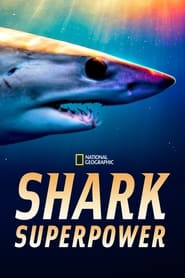
Two teams of experts go to extraordinary lengths to take shark science into the wild as they investigate two of the most iconic shark superpowers - speed and bite force.
An astonishing documentary of the life of classical composer Sir Edward Elgar. This partly dramatised account is remarkable for its sensitive portrayal of the rise of a young musician from an underprivileged background to international fame.
The Switchback Railway was the forerunner of the roller coaster. Passengers sit in a small car which trundles up a swooping railway track then performs a 180 degree turn at its summit before swooping back down on a parallel track.
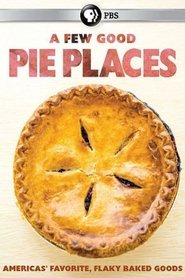
There's something tasty, often sweet, fruity and all-American about a really good piece of pie. In this delicious documentary, travel across the country to visit shops, restaurants, cafes, and even a few homes in search of some excellent crusts, crimping, fillings and flavors.
As the first part of our investigation, the CORONA.FILM prologue will delve into the science behind the pandemic. Starting at the very beginning, we shine a light on the responses. The aim is not to point the finger; our aim is to tell the whole story in all its complexity, as we believe that justice cannot prevail if only one side of the story is told.
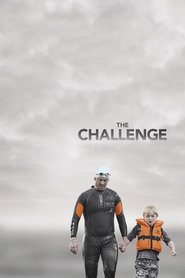
In June 2015, Alex Smith completed a long distance triathlon - a 3.8km swim, 180km bike ride and 42km run - known as the toughest single day challenge you can undertake, carrying his 40kg disabled son the whole way. An epic achievement for his son, who is dying from a fatal muscle wasting disease: Duchenne muscular dystrophy.
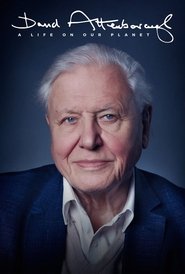
The story of life on our planet by the man who has seen more of the natural world than any other. In more than 90 years, Attenborough has visited every continent on the globe, exploring the wild places of our planet and documenting the living world in all its variety and wonder. Addressing the biggest challenges facing life on our planet, the film offers a powerful message of hope for future generations.
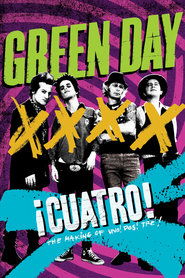
"¡Cuatro!" is a unique, raw and unprecedented look inside the world of the multi platinum rock band Green Day. From the band’s home studio in Oakland CA, to various intimate live performances in New York City, Austin TX, Newport Beach and Los Angeles, the film chronicles the band's year and a half long journey writing and recording their recent musical trilogy.
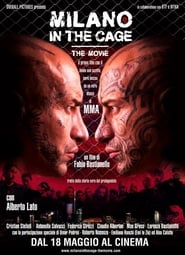
Based on a true story, the first film about MMA in Italy. In the Milan of degradation and survival, Al is a former boxer trapped in the criminal underworld. A failed father and a man adrift, he finds a chance for redemption in MMA. The final of the Milan in the Cage tournament becomes the only way to redeem himself.
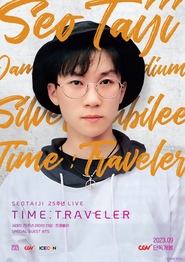
The first theatrical screening of the live performance of the 25th-anniversary concert held at jamsil olympic main stadium in 2017! Relive the unforget legendary performance, 'Seo Taiji 25th anniversary concert,' In the theater! Taking place at the largest concert venue in south korea, jamsil olympic main stadium, this 25th-anniversary concert was a culmination of Seo Taiji's experimental music and high-quality performances presented over the past 25 years. 21st-century pop icons BTS participated as special guests, adding even more significance to the concert. From 'Nan arayo,' which introduced Seo Taiji's birth, to 'fantasia' and 'come back home'! A time to experience all of Seo Taiji's hit songs and classics with their original sound! Not only the live performance but also behind-the-scenes moments, a commemorative festival created as a warm and cherished memory for us all!
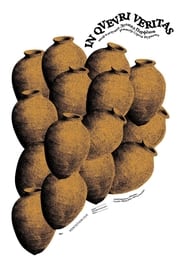
Leonid Parfyonov travels to Georgia, where he studies how amphorae are made and grapes are crushed with bare feet, and learns why orange wine is slowly conquering the world.
A year-long, intimate and loving study of a primary school in one of Sydney’s most diverse suburbs. At its heart is an exploration of how a community comes together to ethically educate children for the contemporary world.
We have detected that you are using an ad blocker. In order to view this page please disable your ad blocker or whitelist this site from your ad blocker. Thanks!