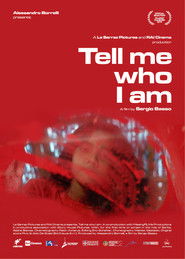
In 1990, one sixth of the population of Bhutan was exiled because they demanded greater democratic rights from the ruler. The film follows the story of Sarita, a 13-year-old girl born in Khudunabari, a refugee camp in Nepal where over 100,000 Bhutanese exiles live. Now they will be "relocated": thousands of families will be forced to emigrate and their Lotshampa identity will disappear forever. Sarita and her friends will not tell us their odyssey: they will dance and sing it.
I was somewhere between the beggining and the end of life. After winter became spring, and summer became fall, and fall winter again. I always knew change would be constant.
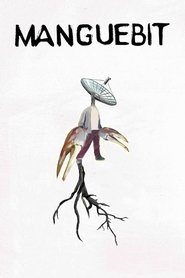
Mangue Beat, a musical and aesthetic movement which emerged in Pernambuco in the 1990s, transformed the visibility of the peripheries and cultural manifestations of the metropolitan area of Recife and placed the state on the map of the world music market with the launching of bands like Chico Science and Nação Zumbi and Mundo Livre S.A. The film experiments with the freedomn of thought of the Mangue using a plural language, which brings togther ideias and ideals, refleting the daring which resulted in the great symbol of the movement: a satellite dish planted in the mud of the estuaries - the Mangue.
Dramatisation of the 2011 London riots, focusing pre-dominantly on events that occured in and around Clapham and incorporating actual footage from CCTV cameras, civilians and journalists
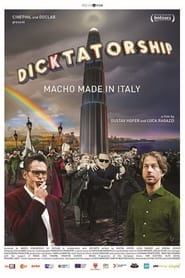
A documentary in which Luca Ragazzi and Gustav Hofer research the origins of sexism in the west and in Italy, the land of Berlusconi, Mussolini and Casanova, a nation with 887 words to say "penis".
Documentary with fragments and records about the boundaries between art and counterculture, based on a debate held at the Museum of Modern Art, Rio de Janeiro, in October 1968.
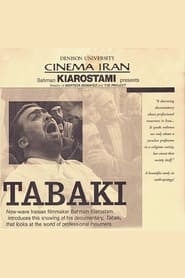
Bahman Kiarostami's charming documentary about mourners-for-hire who are called upon to attend funerals in Iran. With an understated, lighthearted style, Tabaki provides a fascinating view of a peculiar occupation within this religious culture, offering, in the process, an insightful portrait of the society as a whole.
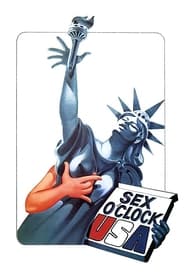
The director films common people in sexual related situations, in a variety of true, gripping, funny, dramatic, disturbing, imaginative ways - in the country than facing a big moral change in their view of adult, public and sexual life.
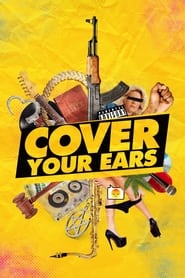
When does art become obscenity? Cover Your Ears takes a close look at this question through the lens of the past 100 years of music and the ever-evolving discussion of legal and moral lines in the industry
Pains in the butt, or super heroes of the computer revolution? How about both. The documentary Hackers: Computer Outlaws takes a look at the world of hackers, from Draper to Woz to Mitnick.
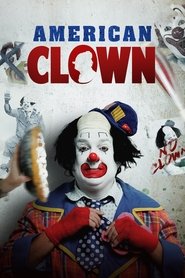
Clowns have been a symbol of humor and laughter since they first donned the iconic red nose and oversized shoes. Those who devote their lives to the craft spend years perfecting it. From circuses to birthday parties to movies, clowns are everywhere in our culture, but what happens when the laughter fades and the greasepaint runs? One man sets out to find what's left of American's once beloved profession.
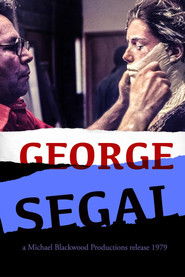
George Segal constructs a type of human form and vulnerability that feels rare in the world of sculpture. As we follow his process at the isolated New Jersey farmhouse that serves as his studio, the intimacy between Segal and his art is contagious. He casts people who he knows, respects and admires, making the final outcome of the piece seep with personality and humanity. Segal is focused on creating a mold that does not necessarily subscribe to society’s notion of beauty. Originally released in 1979.
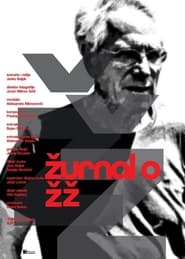
Road movie documentary through half a century of filmography by Želimir Žilnik. But also a journey through the history of Yugoslavia, a country that no longer exists. With the specific style of docudrama that he built over the years, Zilnik managed to stay engaged and brave, but above all free, by making low-budget films for decades. We follow the efforts of his team to finish the film "Freedom or Comics", which was seized by censorship 50 years ago, and which was recently accidentally found. The story of an uninterrupted struggle for disenfranchised social and minority groups who are constantly the main heroes of Žilnik's films.
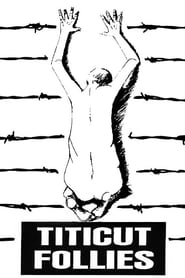
A stark and graphic portrayal of the conditions that existed at the State Prison for the Criminally Insane at Bridgewater, Massachusetts, and documents the various ways the inmates are treated by the guards, social workers, and psychiatrists.
First Comes Love consists of perfectly choreographed scenes of four wedding ceremonies accompanied by a complex medley of popular love songs. All seems to be going as it should until the couples reach the altar, when the celebratory atmosphere is interrupted for a surprising public service announcement. Then song and dance continues until the happy couples depart, leaving behind a dwindling crowd and a few altar boys who carefully sweep up the rice that blankets the pavement like snow. The film doesn't attempt to defend--or discredit--the institution of marriage. Instead, it reveals the many subtle emotions surrounding the event, and raises questions about how the double standard regarding marriage affects gay and straight couples.
We have detected that you are using an ad blocker. In order to view this page please disable your ad blocker or whitelist this site from your ad blocker. Thanks!