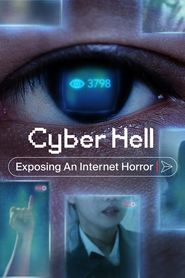
Anonymous and exploitative, a network of online chat rooms ran rampant with sex crimes. The hunt to take down its operators required guts and tenacity.
A hybrid of documentary and fiction, Rukus is a queer coming-of-age story set in the liminal spaces of furry conventions, southern punk houses, and virtual worlds.
An investigative look and analysis of gender disparity in Hollywood, featuring accounts from well-known actors, executives and artists in the Industry.
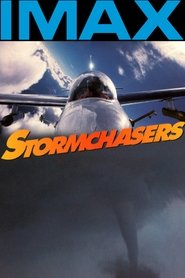
Track monsoons, hurricanes, blizzards, and tornadoes. Take a journey around the planet to experience our most extreme storms and to witness the dramatic--and often perilous--efforts of scientists in the pursuit of understanding weather.Join meteorologists in the cockpit of a P-3 weather plane as they penetrate the eye of a hurricane; and in the tense, decisive moments on the road as they focus their radar on an approaching tornado, traveling to the heart of severe storms to learn what makes weather systems tick. Experience the bumpy ride into the sudden and spectacular calm of a hurricane’s eye, or the commando-like raid to the very brink of a killer tornado, and experience one of the elemental joys of doing science: that of confronting nature head-on to divine its awesome secrets.
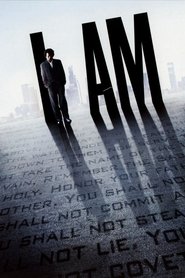
In the City of Angels, despair and heartache are the daily mail -- delivered with painful regularity whether we want them or not. Through I AM, we join an eclectic cast as they try to untangle themselves from the web of sin. All along the way, they are each joined by a mysterious companion -- ever present with a loving guidance without judgment for their actions. The more they attempt to fix their lives, the deeper they sink into chaos, pain, and loss. In addition, we discover that sin is a matrix connecting even the most remote of strangers to one another. It is at this breaking point when we see the presence of this companion was no accident. He was the ever-loving constant who refused to abandon His people -- even when they abandoned Him.
Under the direction of founder and world-renowned DJ Peanut Butter Wolf, Stones Throw Records has consistently released critically acclaimed, left-of-center albums since its founding in 1996. Drawing on live concert footage, never-before-seen archival material, inner-circle home video and photographs and in-depth interviews with the folks who put Stones Throw on the map, this documentary will delve deeper into the label's enigmatic artists, history, culture and global following.
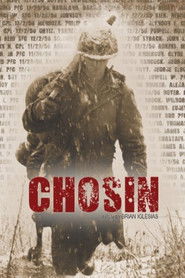
At the height of the Korean War, 15,000 U.S. troops were trapped and outnumbered 10-to-1. In a harrowing battle, these soldiers fought 78-miles to freedom and saved the lives of 98,000 refugees. After 60 years of silence, the survivors of the Chosin Reservoir Campaign of the Korean War take us on an emotional and heart-pounding journey through one of the most savage battles in American history.
Hinata Sato, Moka Koizumi, Manatsu Murakami, Toruka Moriya, and Aina Aiba on location in Fukui! The long-awaited Fukui location for "Hinata Sato, Moeka Koizumi's Battle Dinosaur☆" will be released on Blu-ray! The show features battles and dinosaurs at sightseeing spots such as Tojinbo and the Dinosaur Museum, and the audience enjoys Fukui Prefecture to the fullest. Manatsu Murakami and Toruka Moriya of DIALOGUE+, who have appeared on the show before, and semi-regular(?) Aina Aiba, who is good friends with the two of them, also make guest appearances.
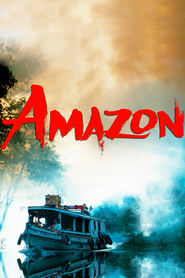
Explore the mysterious Amazon through the amazing IMAX experience. Amazon celebrates the beauty, vitality and wonder of the rapidly disappearing rain forest.
Diaries, audiotapes, videotapes and testimonials from friends and colleagues offer insight into the life and career of Gilda Radner -- the beloved comic and actress who became an icon on Saturday Night Live.
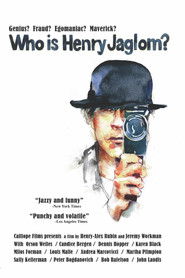
Hailed by some as a cinematic genius, a feminist voice and a true maverick of American cinema, dismissed by others as a voyeuristic fraud and the "world's worst director," Henry Jaglom obsessively confuses and abuses the line between life and art. Featuring scores of interviews (including Orson Welles, Dennis Hopper, Milos Forman and Peter Bogdanovich) and rare behind-the-scenes footage, this hilarious documentary explores the fascinating question of Who Is Henry Jaglom?
We have detected that you are using an ad blocker. In order to view this page please disable your ad blocker or whitelist this site from your ad blocker. Thanks!