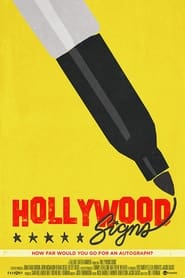
A documentary that celebrates autograph collecting, collectors, and our obsession with celebrities. It focuses on autograph dealing, the history of the autograph, autograph conventions, celebrities' point of view, and, of course, the folks whose lives revolve around autographs. Hollywood Signs is a love letter to a world with characters you definitely don't see every day.
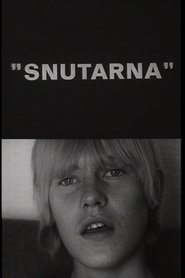
A hot summer evening at a youth club in the city of Stockholm. 13 youngsters talk about their experiences of police violence and their views on the police.
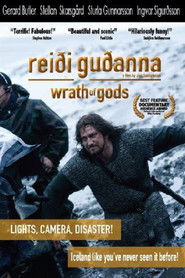
When Canadian director Sturla Gunnarsson set upon Iceland to film Beowulf & Grendel starring Gerard Butler and Stellan Skarsgard in 2004, they expected the usual complication involved in making a movie, but what they encountered made them wonder if the Norse gods were actually working against them.
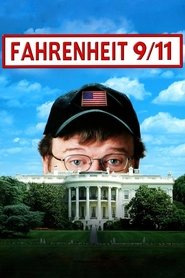
Michael Moore's view on how the Bush administration allegedly used the tragic events on 9/11 to push forward its agenda for unjust wars in Afghanistan and Iraq.
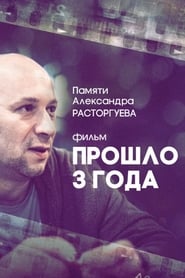
The main character of the film, Alexander Strizhenova, became famous in talk shows and tabloid media as the daughter of a Soviet actress, Natalya Strizhenova, who grew up without a father - but this is not mentioned in the film by Rastorguev. Sasha, beaten by life, when we meet her, lives in a cluttered and untidy village house somewhere in the Moscow Region with her husband, with whom they swear dirtyly in the presence of their young son Ilya. Sasha smokes, drinks and endlessly suffers from a lack of love and from the fact that no one can understand it. Three years later, the viewer again sees her life - in another place, with another man and with a new child, but in about the same circumstances.
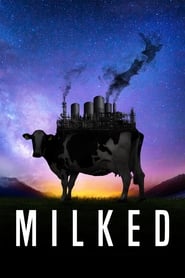
A young activist goes deep into dairy land where he takes on the giants of New Zealand's most powerful industry, and reveals how the sacred cash-cow industry has been milked dry. His journey exposes not only the sustainability crisis and the dangerous denial of impending agricultural disruption, but also what New Zealand and other countries can do to change their fate.
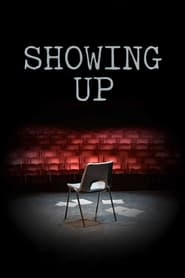
An unprecedented look at the audition, compiled from more than 50 interviews with notable artists including Kristin Chenoweth, Richard Griffiths, Zoe Kazan, Nathan Lane, Chris Messina, Sam Rockwell and Eli Wallach.
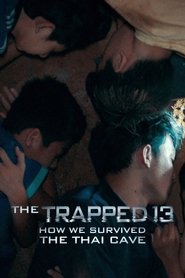
In this compelling documentary, members of the Thai youth soccer team tell their stories of getting trapped in Tham Luang Cave in 2018 — and surviving.
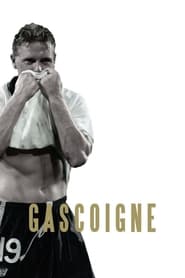
A feature length, theatrical documentary on the life of Paul Gascoigne, one of the greatest footballers that ever lived: delving deep into his psyche, vulnerabilities, fears and triumphs.
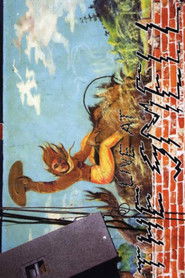
Featuring: The Mae Shi, Foot Village, Ponytail, Abe Vigoda, High Places, Gowns, BARR, No Age, HEALTH, and Captain Ahab. A fundraiser for The Smell, and a toast to its... scent. [This DVD] captures 10 of the most vital bands to perform at The Smell, downtown LA's essential all-ages venue. With over 2 hours of high-quality live performance footage, this is an essential video document for the alternative / indie / noise-rock fan. From the hyper-active intro by The Mae Shi, through the heavy moods of Gowns, the precise thrash of HEALTH, to the dark techno dystopia of Captain Ahab, Live At The Smell presents a showcase of the excellent music that the community-oriented venue presents on any given day of the week, without booking agents, backroom deals, bouncers, velvet ropes, ID checks, schmoozing, or hype. All footage was shot from Sept-Oct 2008.
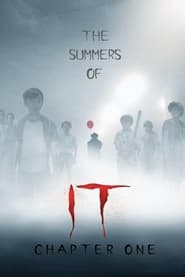
This documentary focuses on the actors and their journey over two summers to create the remake to the original IT, by Stephen King. The documentary originally released as bonus material, bundled with IT: Chapter Two.
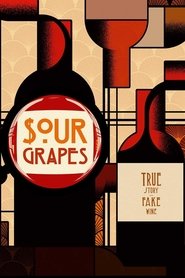
Controversy erupts when an unassuming young man floods the American wine market with fake vintages valued in the millions, bamboozling the wine world elite, in this humorous and suspenseful tale of an ingenious con on the eve of the 2008 stock market crash.
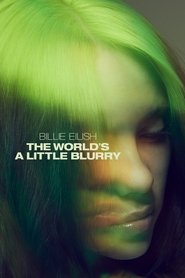
This documentary offers a deeply intimate look at extraordinary teenager Billie Eilish. Award-winning filmmaker R.J. Cutler follows her journey on the road, onstage, and at home with her family as the writing and recording of her debut album changes her life.
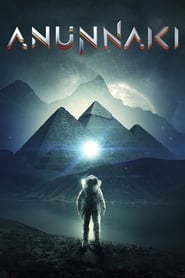
450,000 years ago our ancestors descended from the heavens to engineer the first human beings. To us they were Giants that ruled as Gods over mankind. Now new evidence and scientific research acknowledges their existence on earth but reveals when they will return. The truth of their real origin and purpose is much more bizarre and amazing than anything previously believed. From the Garden of Eden to the Great Flood; from the God of the Bible to the secrets of Enoch all shall be revealed.
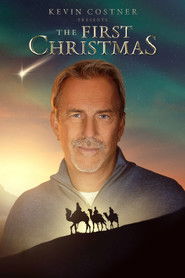
Kevin Costner hosts this special exploring the extraordinary journey of Mary and Joseph as they navigate the hardships, trials and triumphs surrounding Jesus Christ's birth, offering an inspiring way to experience the true meaning of Christmas.
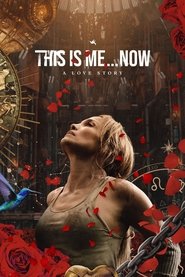
An intimate, fantastical and narrative-driven reflection of Jennifer Lopez's journey of self-healing and self-love in an immersive world where music and visuals intertwine, revealing the challenges faced and the triumphs achieved.
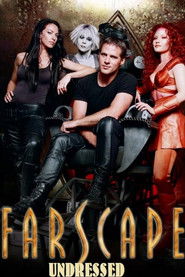
A one hour documentary/primer aired to prepare new viewers of the Sci-Fi Channel's Farscape for the third season. It includes clips from the first two seasons and explanations on each of the main characters.
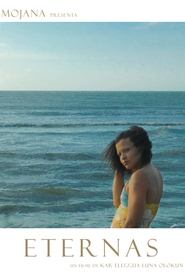
A short documentary film that delves into the life of Eleggua Luna, a karmairi-mokana-motilona Afro-Caribbean trans woman born in Cartagena de Indias, Colombia, to delve into the constant struggle that black, trans and indigenous people live in Abya Yala as a result of colonization.
We have detected that you are using an ad blocker. In order to view this page please disable your ad blocker or whitelist this site from your ad blocker. Thanks!