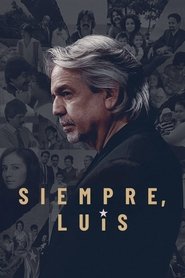
A story that embodies the tenacity and passion of the American Dream, this documentary is a portrait of the pioneering activist Luis A. Miranda Jr. Luis is a decades-long fighter for Latino communities, a key player in the New York and national political arena, and a loving father of three – including the award-winning composer, lyricist and actor, Lin-Manuel Miranda.
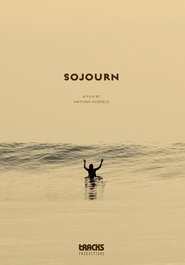
Sojourn features a diverse group of international surfers from around the globe as they explore Indian Ocean delights off the coast of Sumatra. Sojourn is a beautifully crafted documentary about the camaraderie, joy, mystery and magic that unfolds when an eclectic group of surfers are brought together in the worlds richest wave playground.
The story of boxer Sean Mannion, born in the 1950s in Ros Muc in county Galway, Ireland, his boxing career, his emigration to America and the effect it had on him, his brush with organized crime in Boston.
With the country's debt growing out of control, Americans by and large are unaware of the looming financial crisis. This documentary examines several of the ways America can get its economy back on the right track. In addition to looking at the federal deficit and trade deficit, the film also closely explores the challenges of funding national entitlement programs such as Social Security, Medicare and Medicaid.
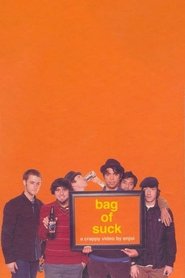
The Bag Of Suck DVD from Enjoi Skateboards. Anything but sucky, this video features Jerry Hsu, Louie Barletta, Caswell Berry and the rest of the Enjoi team.
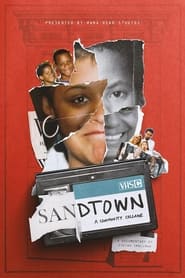
30 years after a team of young social-justice-warriors move to Sandtown, a crumbling neighborhood in West Baltimore, the son of two of them returns home to reconnect with friends and explore what, if anything, has changed. In the process he rediscovers the story of his life.
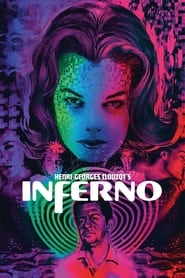
In 1964, Henri-Georges Clouzot's production of L'Enfer came to a halt. Despite huge expectations, major studio backing and an unlimited budget, after three weeks the production collapsed. This documentary presents Inferno's incredible expressionistic original rushes, screen tests, and on-location footage, whilst also reconstructing Clouzot's original vision, and shedding light on the ill-fated endeavor through interviews, dramatizations of unfilmed scenes, and Clouzot's own notes.
With a writing career spanning 6 decades, this special documentary looks at Terrance Dicks' work for books and television, with contributions from many of his friends and colleagues. Featuring contributions from Terrance Dicks, Barry Letts, Christopher Barry, Louis Marks, Eric Saward, Paul Cornell, Peter Darvill-Evans and Brenda Gardner.
A 1987 documentary about youth crime and their social probation officer. The story of two young delinquents to whom no one could lend a helping hand. The lack of interest from the neighbourhood eventually forced their 22-year-old probation officer Majka to resign. The film is mainly made up of authentic testimonies of the protagonists.
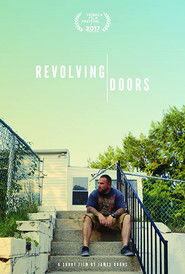
A portrait of American recidivism produced over a span of two years, Revolving Doors follows Jason, who, despite attempts to retain meaningful employment, fails and returns to prison, devastating his family.
The Latvian director’s graduation film from Moscow Film School does not deliver images loyal to the regime but is a testimony to her journalistic background. When the independence struggle is to be suppressed by military power, the people in Riga erect barricades. Laila Pakalniņa captured the dramatic events whose topicality is frightening.
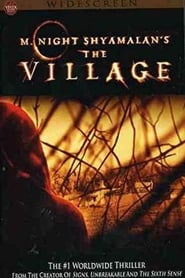
In this making-of documentary, we see movie snippets, shots from the set, and interviews. We get notes from the crew and cast. We learn about the movie's genesis and development, the choice of time period and setting, finding a location and creating the sets, the flick's visual design and cinematography, working with the actors and bonding on the set, the costumes, problems with the weather, shooting in the woods, casting, the actors' "boot camp", editing and storyboards, audio design, the score, and the movie's creatures.
This short documentary revisits Mi’kmaq territory, where an iconic moment was captured in 2013—igniting into a symbol of Indigenous resistance and halting fracking exploration on unceded lands.
This documentary follows a company over two years as they attempt to create a fully functioning sex robot. It also meets a man who can't wait to own one and explores the moral issues they raise.
We have detected that you are using an ad blocker. In order to view this page please disable your ad blocker or whitelist this site from your ad blocker. Thanks!