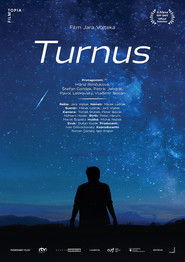
A babysitter, a bunch of laborers, and a long-haul truck driver. All were born in Slovakia, but after the country joined the EU, they took the opportunity to work elsewhere in the Schengen zone. During week-long work shifts in Austria, Germany, or on European motorways, they try to get used to their foreign environments while struggling to maintain contact with their children and partners. For their future, they left for better-paying jobs. Now they are losing them by their absence. They don't know what awaits them when they return home. A trio of saddening stories compose a laconic portrait of a globalised labour market that allows people to fulfil their dreams, but often at great sacrifice.
Interview and profile of experimental filmmaker Michael Snow from 1983. Includes extracts from 'Back and Forth', 'Wavelength', 'La Region Central', 'So Is This' and gallery piece 'Two Sides To Every Story'. Made for Channel 4 'Visions' and broadcast 19 January 1983.
This film is about a lawsuit seeking state compensation for asbestos-related damage in the Sennan area of Osaka. Filmmaker Hara Kazuo records the eight-year struggle of the plaintiffs and their lawyers. A dogged and dramatic depiction of their intense battle.
In 1917 Finnish explorer Sakari Pälsi travelled to Northeastern Siberia carrying a cinematograph and 13,000 feet of film with him. The journey produced a unique documentary film and a travelogue. A hundred years later director Kira Jääskeläinen returns to the Bering Strait in Pälsi's footsteps. Combining old and new film footage, Pälsi's notes and the stories of the local indigenous peoples, the film highlights the story of the Chukchi and Siberian Eskimos from bygone days till today.
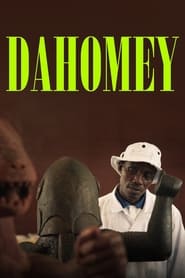
Thousands of royal artifacts of Dahomey, a West African kingdom, were taken by French colonists in the 19th century for collection and display in Paris. Centuries later, a fraction returned to their home in modern-day Benin. This dramatized documentary follows the journey of 26 of the treasures as told by cultural art historians, embattled university students, and one of the repatriated statues himself.
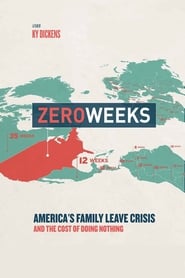
What do the United States and Papua New Guinea have in common? They are the only countries in the world without paid family leave. American families are often forced to choose between tending to a spouse or parent with an unexpected medical emergency, or keeping their job and health insurance.
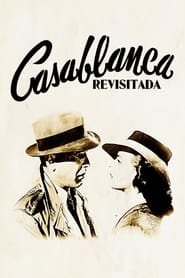
A lyrical and nostalgic analysis of how Casablanca, the mythical film directed by Michael Curtiz in 1942, has influenced both film history and pop culture.
This film uncovers a hidden world ruled by hairy eight-legged monsters known as the Arachnids - the largest group of carnivorous creatures on earth. High speed cameras and detailed macro photography reveal a variety of deadly hunting tactics used by this sinister network of freaks.
Cory Mann is a quirky Tlingit businessman hustling to earn a living in Juneau, Alaska. He gets hungry for smoked salmon, nostalgic for his childhood and decides to spend a summer smoking fish at his family's traditional fish camp. The unusual story of his life and the untold history of his people interweave with the process of preparing traditional food as he struggles to pay his bills, keep the IRS off his back, and keep his business afloat. By turns tragic, bizarre, or just plain ridiculous, Smokin' Fish tells the story of one man's attempt to navigate the messy zone of collision between the modern world and an ancient culture.
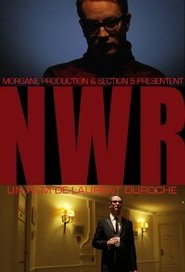
A documentary about Danish director Nicolas Winding Refn, winner of the Best Director award at the Cannes Festival in 2011 for Drive. From his childhood to the shooting of his next movie, Only God Forgives, in Thailand, discover the whole career of a truly visionary filmmaker. With Ryan Gosling, Mads Mikkelsen, Alejandro Jodorowsky, Gaspar Noé, Peter Peter and Zlatko Buric.
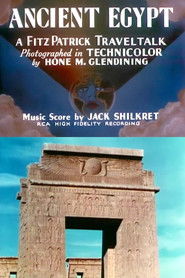
This entry in the TravelTalks series visits the ancient Egypt. starting Valley of the Kings in a remote and desolate part of Egypt, the entrance to tomb of King Tut is shown, though the ts priceless treasure is now in the Cairo museum. A visit to Luxor and the ancient city of Thebes, which date to 1500 BC, follow with subsequent visits to Karnak. The film closes by noting that past and present are in harmony with the water wheel and village well still in wide use in the modern age.
We have detected that you are using an ad blocker. In order to view this page please disable your ad blocker or whitelist this site from your ad blocker. Thanks!