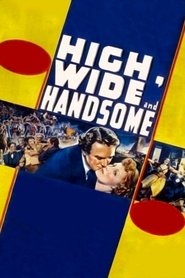
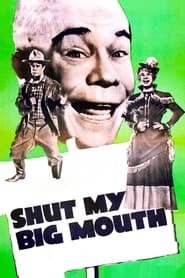
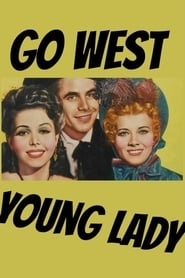
The setting is a small town in 1870s Pennsylvania. Sally Waterson and her father have stopped in town with their traveling medicine show, but when their wagon catches fire, they find themselves stranded. They're taken in by Mrs. Cortlandt and her grandson, Peter, who is trying to set up a pipeline that will supply oil throughout the state. Sally and Peter soon fall in love and marry. Neither their marriage nor Peter's pipe dreams flow too smoothly.
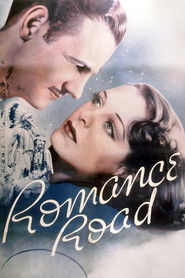
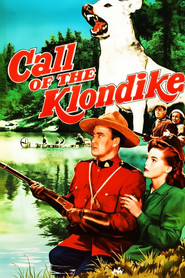
A Royal Canadian Mounted Police sergeant must mediate a land rights dispute between an advancing railroad construction gang and French Canadian trappers in the rugged Northwest Territory of Canada.
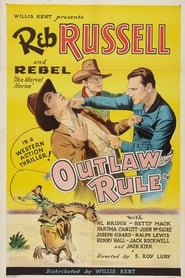
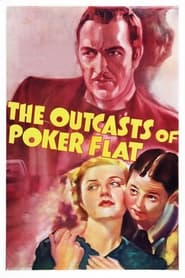
A rancher, frustrated with constant cattle rustling and the inability of the local sheriff to stop it, is accused of murder when the sheriff is found dead.
Craig Larrigan's father and his partner own a large cattle ranch that is losing stock to rustlers. Craig, an easterner, heads west but in the disguise of a Mexican bandit. He is eventually thrown in jail with his identity still unknown. His cellmate is one of the rustlers and when they break out, the rustler takes him to the gang and Craig now has a chance to capture them all.
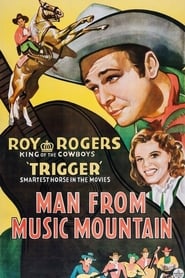
Roy returns home to fine a range feud between the cattlemen and the sheepmen. When his friend is killed he finds the rifle had a defective pin. He learns the rifle belongs to a ranch hand named Barker and that a third party has caused the feud. When he captures outlaws trying to blow up a dam, he claims Barker was the killer. But Barker has switched rifles and the outlaws now accuse Roy and Roy finds himself in trouble.
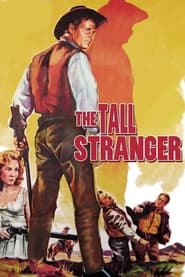
A Union soldier returns to his western home at the end of the Civil War and finds himself caught in the middle of a land war between his greedy half-brother and a wagon train of Confederate homesteaders.
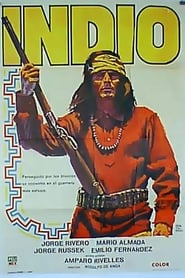
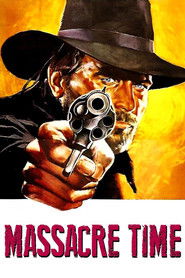
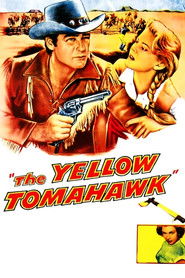
A greedy land developer steals the land from an Apache Indian tribe. His plan involves shooting most of the Apaches but an Apache warrior survives and gets revenge.
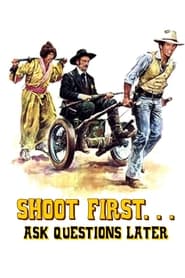
The White, the Yellow, and the Black (Italian: Il bianco, il giallo, il nero, also known as Shoot First… Ask Questions Later) is a 1975 Spaghetti Western comedy film. It is the last spaghetti western directed by Sergio Corbucci. Differently from his previous western films, this is openly parodic.
In 1866, prospector Tom Corbett returns to his hometown of Laramie, Texas, now under the brutal control of gangster Jason Scott and his violent son, Junior. With his brother Jeff, a struggling drunk cared for by their maid Mercedes, Tom seeks to overthrow the Scotts' tyrannical rule and restore peace to the town.
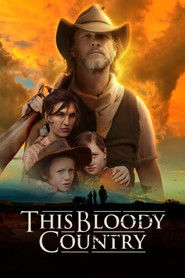
In 1869, a family leaves Salt Lake City on an arduous journey to establish a new outpost of their church. They cart all their belongings, leaving safety behind. The terrain is rough and unforgiving. When an encounter with dangerous men turns violent, their attempt to flee proves futile. Left with no other choice, they must prepare to defend themselves from an expected attack. Their pursuers hold the advantage because a party of mostly women and children are no match for outlaws in the wild country… unless they are.
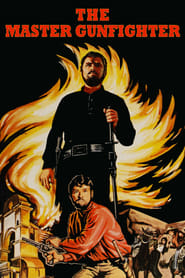
Don Santiago (Richard Angarola) is a vicious man who helps provoke an Indian massacre that will allow him to steal the Indians' land and claim it as his own. However, his son-in-law, Finley (Tom Laughlin), is an expert hand with both guns and swords and will not allow him to push around the peace-loving Indians or fellow settlers of the West.
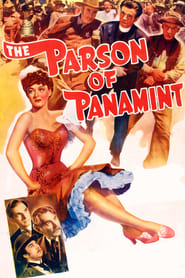
As he looks over the dusty, deserted remains of the western "boom town" of Panamint, grizzled old prospector Chuckawalla Bill Redfield recalls the town's glory days. Looming large in Chuckawalla's reminiscences is the day that young and apparently mild-mannerd minister Philip Pharo rode into town. In his own gentle but forceful fashion, Pharo managed to bring the town's lawless element into line, mollify the local bluenoses, and win the heart of likeable dance-hall girl Mary Mallory.
We have detected that you are using an ad blocker. In order to view this page please disable your ad blocker or whitelist this site from your ad blocker. Thanks!