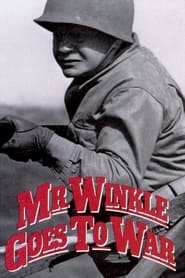
Black Panther, the Avengers, Hulk, Fantastic Four, The X-Men, Thor, Iron Man - to name only some of the best known super-heroes created in the 1960s by comic book artist Jack Kirby, the super heroes which today, dominate the world wide blockbuster box office cinema. This documentary mixed with CGI form his work examines Jack Kirby’s comics through his experience as a young American soldier in WWII France. How did this terrifying experience inspire him to create Captain America, and so many others characters as the war came to a close?
In the final days of World War II, occupying Japanese forces in the Philippines face resistance from the local population and the American offensive. The dwindling Japanese soldiers attempt to survive through the horrors of war.
When soldier Anthony Glenn discovers that Mai is missing, he sets out to rescue her from the corrupt Major Sorenson pitting soldier against soldier in a bloody game of honor.
In the closing days of World War II, Japanese-American Hiromi, a girl age 16, encounters an American deserter, Bob, and a Japanese soldier, Iwabuchi, living together in a cave on a small island in Okinawa. The two men are deserters from their armies; yet both vow never to harm another human being again. Hiromi looks after the deserters until another soldier appears and the peace of the cave is shattered. It leads to the death of three of them and a fascinating mystery that isn't solved until the present day.
A group of Malayali nurses stranded in Iraq, must survive their capture by the extremists and reach out to the rescue team headed by the Indian government.
Only 3 days after A-bomb was dropped on Hiroshima, a streetcar started running through the town burned to the ground. The drivers were teenage girls working for the train company in place of men. The drama is based on a true story of people who strived for the restoration.
When a young girl finds a beautiful dead lily in the woods, she asks her grandfather to tell her about it. The lily stands in splendour beside a stream, admired by the creatures of the woods. But an army of beetles, bent on conquering new territories, wants to cross the stream - and the lily is blocking their way. An unashamed allegory of the German rape of Belgium.
The East Side Kids find a young girl in the apartment of a man who has just been murdered. Believing her to be innocent, they hide her in their clubhouse while they try to find the real killer. The killer, however, used a baseball bat as his murder weapon, and the bat has the fingerprints of one of the gang on it.
Set in 1939, the early days of World War II in Siam, to Angsumalin meeting one last time with her childhood friend, a young Thai man named Vanus. He is leaving for England for his studies and hopes that Angsumalin will wait for him and marry him when he returns.
In this patriotic WW II drama, the Japanese army demonstrates its courage and willingness to do anything to win as they endeavor to sneak into Communist China to bring back the flag of a defeated enemy regiment.
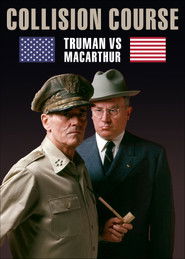
U.S. President Harry S Truman and his commander in the Korean War, General Douglas MacArthur, disagree on war strategy. Their conflict comes to a head when Truman relieves the insubordinate MacArthur from command.
Napoleon has been exiled to Elba, the English have returned from the wars, and Major Richard Sharpe finds himself in a sort of exile to lead a company of Yorkshire Yeomen. His duties include protecting mill owners from restless workers who are on the verge of strike or outright revolt. Meanwhile, Sharpe's faithless wife and her lover fall within range of Sharpe's wrath. Sharpe, with his two of his devoted Chosen Men nearby, must decide whether to continue to protect the mill owners or to take the side of their fiercely downtrodden workers.
In pre-Revolutionary America, the efforts of a Colonial officer trying to broker a peace deal between Indian chief Pontiac and British and American settlers are threatened by the commander of a Hessian mercenary unit who embarks on a campaign of extermination against the Indians.
We have detected that you are using an ad blocker. In order to view this page please disable your ad blocker or whitelist this site from your ad blocker. Thanks!