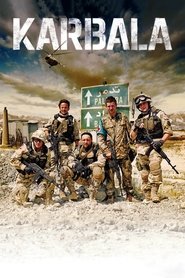
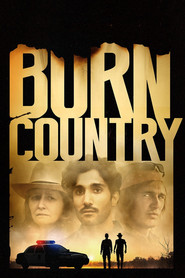
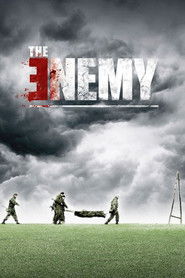
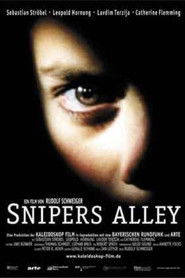
On 3 April 2004, during the holiday of Ashura, Iraqi rebels loyal to Shiite leader Muktada As-Sadr, launched an insurgency in the Polish zone. The Poles, together with Bulgarian soldiers and Iraqi police, were given the task of defending City Hall, led by Lieutenant colonel Grzegorz Kaliciak. The clash developed into the biggest Polish engagement since World War II. Not a single allied soldier died, although about 80 insurgents were killed in a counter-attack.
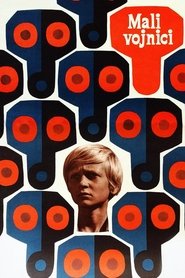
After the end of WW2 a blonde boy arrives at an orphanage made for the children of Partizans or people being killed in the war. The headmaster knows that the boy's parents were Nazis but conceals that fact from others, fearing violence by vengeful children. He invents the boy's life story, but the other children get suspicious.
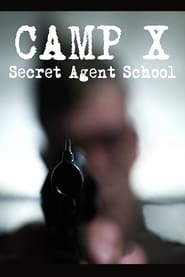
The story of how a secret agent training school established in Canada during World War Two - and the training manual created specifically for it - laid the foundations for modern espionage in North America and gave birth to the CIA.
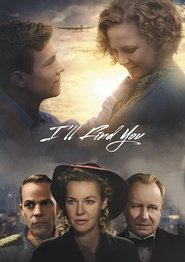
Inspired by stories of Polish musicians from the 1930s and 40s. Two young lovers, Robert, a Catholic opera singer, and Rachel, a Jewish violin virtuoso, dream of one day performing together at legendary Carnegie Hall. When they're torn apart by the German invasion of Poland, Robert vows to find Rachel, no matter what the war may bring. His search leads him on a life-threatening journey through the heart of Nazi Germany, to a reckoning that Rachel may be lost to him forever.
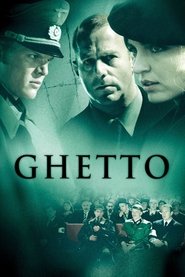
In 1942, in Vilna, the Nazi annihilate 55,000 Jews and squeeze the 15,000 survivors in a seven blocks ghetto. The twenty-two year old sadistic commander Kittel is assigned to administrate the ghetto in the capital of Lithuania, becoming the master of life or death. When he finds the gorgeous Hayyah sneaking with one kilo of beam stolen from the German army, he sentences her to death; but when he is informed that she was a former successful singer, he decides to activate the old theater and promote shows in the ghetto. The Jew Chief of Police Gens uses the theater and a sewing factory to save as much lives as he can; in his ambiguous position, he kills Jews to save lives of others.
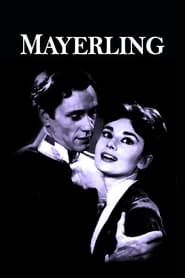
Mayerling is the name of a notorious Austrian village linked to a romantic tragedy. At a royal hunting lodge there, in 1889, Crown Prince Rudolf--desperate over his father's command to put away his teenage mistress, the Baroness Marie Vetsera--shot her to death and killed himself. The misfortune may indeed have been a murder-suicide, but perhaps it was a political assassination, or even the result of a lunatic family vendetta: scholarship is still catching up with the facts.
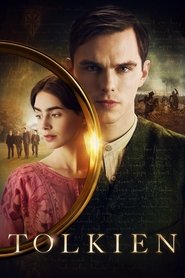
England, early 20th century. The future writer and philologist John Ronald Reuel Tolkien (1892-1973) and three of his schoolmates create a strong bond between them as they share the same passion for literature and art, a true fellowship that strengthens as they grow up, but the outbreak of World War I threatens to shatter it.
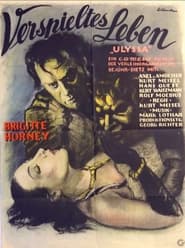
Germany, 1914: The bourgeois austerity of the small, northern German town in which Ulyssa lives conflicts sharply with her desire to flirt with and be ensnared by charming, young men. That she's married is irrelevant; it's a marriage which exists only on paper. Among all the men Ulyssa flirts with, there is one for which she has genuine affection: Stefen Marbach, an upright and sincere man, far superior to her other men. And, indeed, the two are honest with one another about their feelings, but the outbreak of the First World War separates them. Sometime later, Ulyssa finds out that not only her husband, but Stefan, too, has fallen in battle. The news of this disaster leads her to reconsider and eventually give in to the constant urgings of the Viennese merchant Reindl. Ulyssa joins Reindl in Vienna and lives a life of wealth and comfort, until one day, Stefan shows up.
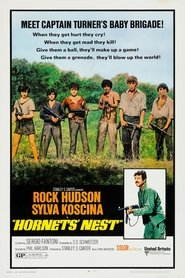
An American commando who's the sole survivor of a parachute jump into WWII-era Italy leads a group of children in a campaign of sabotage against the Nazis.
A man who was a communist MP during the First Republic joins the Slovak National Uprising, but is wounded and has to hide in a log cabin with others. However, an attempt to obtain false documents for the partisans almost causes a betrayal...
The story begins a couple days after the war has ended. A group of Serbian soldiers in charge of clearing the fields from mines discovers a man sealed inside a factory's basement. A mysterious man says he is 'ours', he doesn't feel cold, isn't hungry and only asks for cigarettes. As soon as he is brought along, people start disappearing, and the infighting begins. Who is the mystery man?
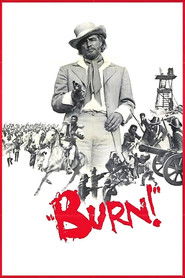
The professional mercenary Sir William Walker instigates a slave revolt on the Caribbean island of Queimada in order to help improve the British sugar trade. Years later he is sent again to deal with the same rebels that he built up because they have seized too much power that now threatens British sugar interests.
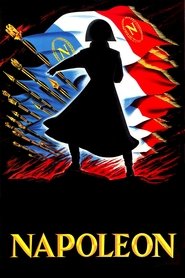
The film follows the life of Napoleon from his early life in Corsica to his death at Saint Helena. The film is notable for its use of location shooting for numerous scenes, especially at the French estates of Malmaison and Fontainebleau, the Palace of Versailles, and sites of Napoleonic battles including Austerlitz and Waterloo.
The story takes place in March of 1943 during transportations of Jews from Skopje. Nikola is a surgeon who was taken his working license away, and spends evening hours at the local bar where German officers, along with Bulgarian officer Simeonov, play Russian roulette with their gun pointed at prisoner's head. After suicide of one German mayor, Nikola and the prisoner escape.
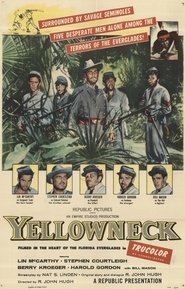
A disgraced Confederate Colonel who has deserted his command flees to the Everglades where he encounters a disparate group of four other Southern deserters. Together they struggle to find their way out of the swamp and resolve their own personal demons under the eyes of hostile Seminoles as they battle to survive the elements and each other.
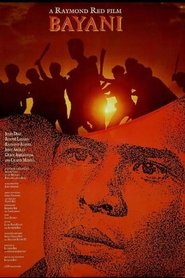
Independent filmmaker Raymond Red's first crossover to full-length feature is a highly visual chronicle of the rise and fall of revolutionary hero Andres Bonifacio. Noted for its heavy stylistics and painstaking attention to filmic detail, the biopic also tackles the momentous events surrounding the Philippine struggle against Spanish colonialism. The historical epic is a most fitting cinematic memorial to the centenary of Philippine independence.
We have detected that you are using an ad blocker. In order to view this page please disable your ad blocker or whitelist this site from your ad blocker. Thanks!