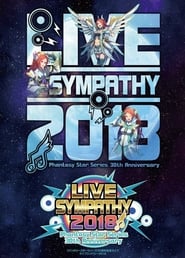
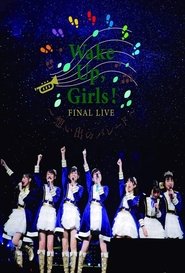
Home video release of Live Sympathy 2018 held at Differ Ariake on March 24, 2018. Comes with all 15 types of item codes for the game, PS 30th anniversary sticker, bonus footage including behind-the-scenes, scenes from daytime live, and comments from staff. Blu-ray comes with live footage mainly from the night performance with partial footage from daytime live.
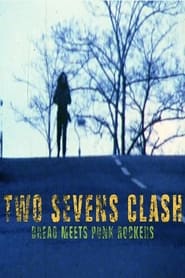
Documentary about reggae music and culture in London in 1977. Filmed in Super 8 camera by Don Letts. With participation of Richard Branson, Neneh Cherry, Paul Cook, Sly Dunbar, Paul Weller, John Lydon, Joe Strummer, Siouxsie Sioux, Lee ‘Scratch’ Perry and others. Released in 2017.
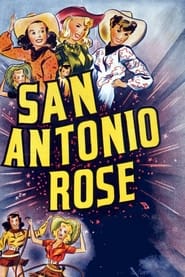
San Antonio Rose is an amiably wacky mini-musical evenly divided between its "official" stars, The Merry Macs, and a strong cast of supporting clowns. Robert Paige plays roadhouse operator Con Conway, whose establishment is in danger of being squeezed out by its competition. Stranded entertainers Hope Holloway (Jane Frazee) and Gabby Trent (Eve Arden) decide to revivify Conway's establishment by staging an energetic floor show built around the talented Merry Macs. A rival club owner dispatches his two top hooligans Jigsaw Kennedy (Lon Chaney Jr.) and Benny the Bounce (Shemp Howard) to wreck Conway's club by posing as waiters, but the two stupes are easily cowed into submission--by the leading ladies!
A television documentary film featuring the rock band Wings. It consists of concert performances from their acclaimed 1975–76 world tour, together with behind-the-scenes footage. Also included is a short excerpt of Wings rehearsing at London's Institute of Contemporary Arts before their 1972 UK university tour.
In 1990 and in 1991 Eric Clapton played 24 nights at the Royal Albert Hall performing with different line-ups and sets featuring Blues, Rock, and a full Orchestra. The performances have become legendary to Eric Clapton fans. Over thirty years later this film, edited from the original footage and completely remastered in Dolby Surround Sound, captures for the first time the definitive performances across all the sets over both years. The film features 17 hits from across his repertoires showing Clapton at his most exhilarating, collaborating with top musicians.
Madonna: the Queen of Pop. Every tune, dance step and decision over four decades has shaped today's contemporary musical landscape. Over a career that has lasted for decades, Madonna has ushered underground sounds and trends into the mainstream - she arrived at the dawn on the MTV music video era and utilised the medium to create a series of stylish, sexy clips that garnered her a reputation as a provocateur, whilst establishing the fledgling TV network as a hub for popular culture in the 1980s. Madonna is unstoppable, her impact on pop culture, undeniable, inspiring almost every other female act to come after her. Repeatedly re-inventing herself, she has changed the blueprint of how to be a successful woman in the music business in the process.
In the not-so-distant future, a terrible water shortage and 20-year drought has led to a government ban on private toilets and a proliferation of paid public toilets, owned and operated by a single megalomaniac company: the Urine Good Company. If the poor don’t obey the strict laws prohibiting free urination, they’ll be sent to the dreaded and mysterious “Urinetown.” After too long under the heel of the malevolent Caldwell B. Cladwell, the poor stage a revolt, led by a brave young hero, fighting tooth and nail for the freedom to pee “wherever you like, whenever you like, for as long as you like, and with whomever you like.”
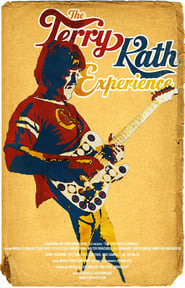
One of the original members of the band Chicago, Terry Kath has been praised by icons like Jimi Hendrix and Joe Walsh for his voice and guitar playing. Michelle Sinclair, first-time filmmaker and Terry's daughter, searches for the truth surrounding the life and untimely death of her father, in this look at one of the most underrated guitarists in rock history.
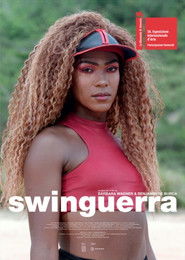
In the sports court of a school, dancers rehearse under the watchful eye of a choreographer. Tensions haunt personal desires as they are observed by a rival troupe.
After taking a DNA test, Latin America's most decorated artist – René Pérez (AKA Residente) – embarks on a global adventure to trace the footsteps of his ancestors and record his latest album.
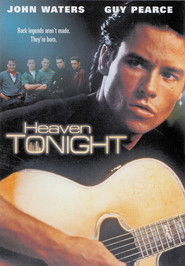
The film covers the conflict between a father and his son both being musicians. The father is the leader of a band making rock-music from the 60s but his son becomes a star of techno-pop music.
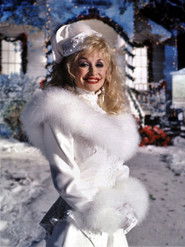
Dolly Parton returns home to Sevierville and to Dollywood where she joins her family and friends to share songs and memories of the holidays in this 1990 TV special to accompany her Christmas CD Home for the Holidays.
Rock & Roll spread the sound of freedom across the Iron Curtain and throughout Eastern Europe and the USSR, despite Communist attempts to outlaw it and to crush what they perceived was a contamination of their youth. Over the next thirty years, thousands of underground bands and millions of young fans who yearned for Western values helped fuel the nonvio- lent implosion of the Soviet regime. FREE TO ROCK features Presidents, diplomats, spies and rock stars from the West, the Soviet Union and Eastern Europe who reveal how Rock & Roll music was a contributing factor in ending the Cold
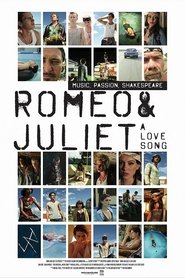
Shakespeare’s tale of teen love reimagined as a rock opera set in a beachside caravan park. A triumphant blast of style and 21st-century Kiwi trailer trash pop. Classic tragedy probably shouldn’t be quite this much fun.
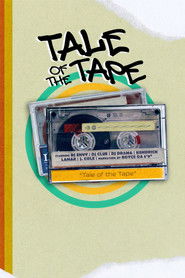
Long before the days of platinum and gold success, a rapper’s worth was in the DJ’s placement within his mix. Ultimately, it would be the growing popularity and increased necessity of The Mixtapes created by DJ’s that would serve as the lifeline to Hip Hop, as it grew into the most celebrated art form.
We have detected that you are using an ad blocker. In order to view this page please disable your ad blocker or whitelist this site from your ad blocker. Thanks!