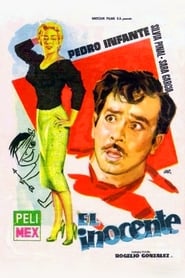
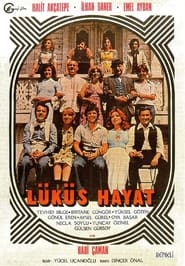
After a quarrel with her boyfriend on New Year's Eve, Mane drives her car from Mexico City to Cuernavaca to meet her parents in their country house. The car breaks down in the highway and Mane has to ask for help. Mechanic Cruci arrives and, after testing the car, offers Mane a ride on his motorcycle. Back in Mane's house, she invites him some drinks to celebrate New Year's Eve. They get drunk and, the morning after, Mane's parents arrive and find them sleeping together. Not knowing what happened, Mane and Cruci are forced to get married against their will.
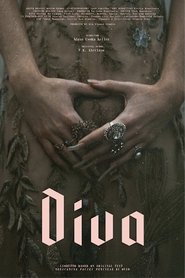
Cries of "Diva!" are known to ring out in the drag bar as well as the opera house. In this surreal queer fantasia on classical music, baroque iconography, and scandalous first-century verse, drag prima donna Divina de Campo premieres an original operatic aria with chamber orchestra by composer V. R. Alevizos. Europe’s historic concert halls set the stage for an ecstatic meeting of two art traditions which traffic in extremes of gender performance, enacting a space where the drag bar diva and the opera house diva share the same skin.
Rıza and Fıstık, who make a living by petty theft, find themselves in the middle of a costume ball when they break into a wealthy home. In fact, the new environment that this duo finds themselves in is representative of the situation of people who have fallen prey to the desire to Westernize.
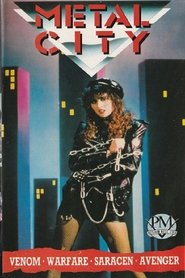
Neat Records, the Tyne & Wear based label that gave us many notable Geordie metal acts like Venom and Raven here present a showcase of some of their 1985 roster. Featuring video performances from Venom, Warfare, Saracen and Avenger interspersed with candid and "humorous" skits between.
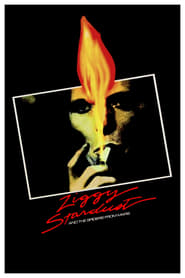
Hammersmith Odeon, London, July 3, 1973. British singer David Bowie performs his alter ego Ziggy Stardust for the very last time. A decadent show, a hallucinogenic collage of kitsch, pop irony and flamboyant excess: a musical symbiosis of feminine passion and masculine dominance that defines Bowie's art and the glam rock genre.
Isao Suzuki is a legendary Japanese jazz bassist known worldwide. Once elected as one of the top 20 jazz musicians in the world, he is better known outside of Japan than inside, thanks to his sessions with many renowned musicians. What kind of life has he led as a musician, what kind of influence has he had on his younger students, and what has he been like in his later years as the Godfather of Jazz? We take a look back at his life through interviews and his personal life.
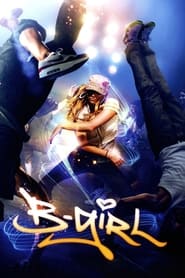
A young female breakdancer, Angel, moves to Los Angeles after an attack by an ex-boyfriend nearly ends her dance career forever. B-Girl follows Angel through recovery and acceptance of a new life as she busts a move into the male-centric world of underground hip hop.
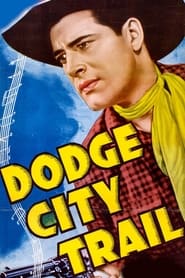
With the increasing popularity of Republic's sagebrush crooner Gene Autry, rival company Columbia found it necessary to add a musical element to this Charles Starrett Western released in early 1937. As Starrett himself was no singer, the studio hired Donald Grayson to warble Lonesome River, Out in the Cow Country and Pancho's Widow, all by Ned Washington and Sam H. Stept.
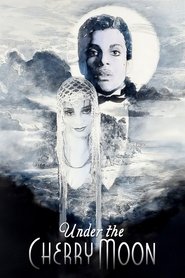
Two friends from Miami are in the French Riviera enjoying life by scamming money off of rich women. One day, they read about a young woman set to inherit $50 million from her father. At first, Tricky has Christopher Tracy talked into romancing her for her money, but in getting to know her, Christopher falls in love with her. This love comes between the brothers, and Tricky tells about the plan.
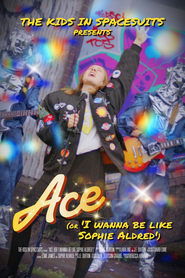
A young girl (Esme James) yearns to express her love for classic Doctor Who, in the face of a disapproving mother (Sophie Aldred) and antagonistic classmates.
"The Love We Make", a film directed by Albert Maysles ("Gimme Shelter") and Bradley Kaplan, follows Paul McCartney as he journeys through the streets of New York City in the aftermath of the destruction of the World Trade Center on September 11th, 2001. It also chronicles the planning and performance of the benefit concert that took place less than six months after the attacks: "The Concert For New York City".
At first glance, Hofmannsthal's libretto ARABELLA is a comedy of mistaken identity which, had it been composed by Rossini, could have been a snappy buffo opera. But the music of Richard Strauss, who pulls out all the stops of his orchestral art, from the late romantic intoxication to the most modern discord, creates a subtle, colorful panorama of a society in transition, whose late-bourgeois values are crumbling. One's own identity and interpersonal relationships have to be tested from scratch. Central is – even more than the title character, who oscillates between romance and rebellion – Arabella's younger sister Zdenka, who, disguised as a man by her parents for lack of money for girls' clothes befitting their status, has to struggle all the more desperately with her/his role as an outsider.
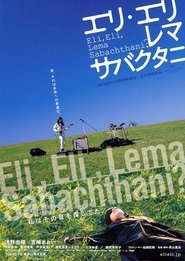
A.D. 2015: A virus has been spreading in many cities worldwide. It is a suicidal disease and the virus is infected by pictures. People, once infected, come down with the disease, which leads to death. They have no way of fighting against this infection filled with fear and despair. The media calls the disease the "Lemming Syndrome".
We have detected that you are using an ad blocker. In order to view this page please disable your ad blocker or whitelist this site from your ad blocker. Thanks!