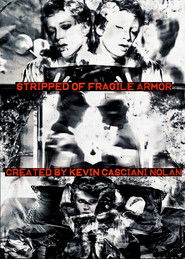
Repurposing A 9 Minute Segment From 'The Antichrist' (1974) With Detailed Focus On The Slowing Down Of Movement And Repetitious Pronouncement Of Actions. Switched To Black & White, Layered, Mirrored, Increasingly Frantic In Motion And Relation. The Terror Of The Original Images Altered In Distinct And Connecting Segments.
In early September 2025 we invited our friends and family to our studio to hear us play songs from our album, All is Love and Pain in the Mouse Parade, live for the first time
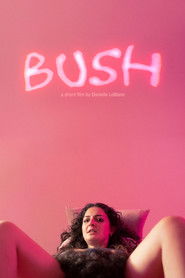
He prayed to God every day to make him a woman overnight.
And God did.
Now, in a woman’s body, he seeks to experience sex.
To discover its sensation.
The one Tiresias once knew.
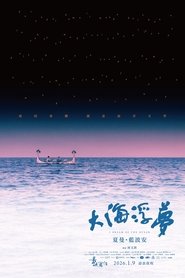
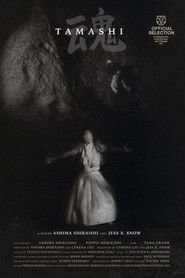
Tao litterateur Syaman Rapongan bridges the bond between father and son through the Tatala and his writing, preserving the memory of his people. Spanning seventy years, the film interweaves footage from different eras, evoking the spirit of the language and culture rooted in the sea and the body. Along this journey, Syaman Rapongan learned and borrowed a foreign language to tell the story of his own people.
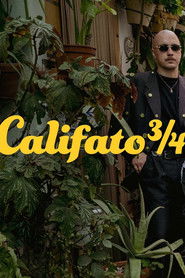
Califato ¾, gives traditional Spanish music a radical makeover. The Andalusians share their explosive style with us in a session organised just a few hours before their concert at Eurosonic.
In the desert of the Payahuunadü valley (the name means “land of flowing water”) of California, a father performs butoh for the first time in front of his former prodigy rock climber child. They speak to each other through their bodies to find a way to heal their relationship and the land.
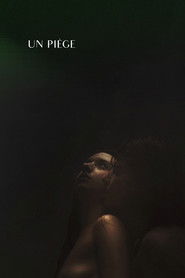
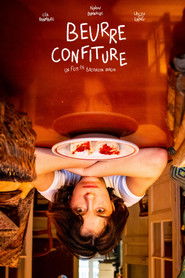
The memory of a fragile and doubt-filled youth, a woman who questions the way she is seen, and a notebook. From her feeling of strangeness to the little comforts that make life sweeter, through her daily habits: she paints a tender portrait of a beauty that one does not always know how to recognize.
Evocative yet playful, Life Forgotten asks, how does everyday entertainment bring people together and act as a catalyst for social change? Situating archival film in parallel with reenactment, the film conjures up New York’s Lower East Side in the early years of the twentieth century, it centers on a real storefront cinema, Frank Seiden’s Variety Theater. Here silent movies were anything but. Frank and his sons improvised dialog for the films and sang Yiddish ballads to an audience that didn’t hesitate to join in or argue back. It was a welcoming space for women and the film follows a group of radical young garment workers who gather here to figure out how to fight for women’s rights and change their world.
Twenty-one-year-old nursing student Ibrahim is a dervish in Iraqi Kurdistan. He lives and works as a singer and general helper within a religious collective marked by humility, spiritual discipline and devotion to Allah. Through his poetic songs, he gives voice to his innermost feelings – his wish to marry the woman he loves and his anxiety about being able to support his ageing parents – while facing the high demands imposed by both his studies and his faith.
Kenneth Anger edited his own version of Sergei Eisenstein’s unfinished Mexican reverie, and even showed it at a festival. Alas leaving no trace of the object. Bruce Posner, now, created his own multi-screen variation on the story that lyrically compares moments from ¡Que Viva Mexico! with scenes from Anger’s avant-garde axiom Scorpio Rising.
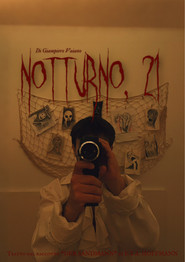
However, the results indicate a horror-comedy telemovie titled Du Ri Me (often indexed under social media, specifically Instagram, around late 2025/early 2026) arriving as a Pongal special in January 2026.
The closing concert of La Folle Journée de Nantes, galvanized by the ebb and flow of the Volga, Mississippi, and Moldau rivers. The program features works by Maria Bach, Franz Schubert, Clara Schumann, Robert Schumann, Richard Wagner, and Bedrich Smetana.
We have detected that you are using an ad blocker. In order to view this page please disable your ad blocker or whitelist this site from your ad blocker. Thanks!