
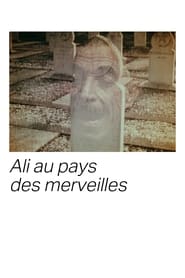
Ali in Wonderland unveils the condition of immigrant workers in Paris in the 1970s. It is a cry of anger against exploitation and racism, uncompromisingly raising the role of the French state, the media, capitalism, and colonization in this system of domination that crushes those who suffer it. In this experimental essay on the condition of Algerian migrants in Giscard's France in the mid-1970s, every aesthetic choice has a precise and legible political motivation and gives body and voice to a figure completely absent from the experimental cinema of the time: that of the immigrant worker. Abouda is one of the children of immigrants seen in the film, and not a simple activist serving a cause, which is why the emotion of her experimental gesture, which she throws in the viewer's face, springs from a ferocity inscribed in her body, from an insatiable anger that inhabits her gaze.
Unfortunately the movie Ali in Wonderland is not yet available on Netflix. Follow us on Facebook to see when Ali in Wonderland becomes available on Netflix!
| Sound | Djamel Allam | Music |
| Writing | Djouhra Abouda | Writer |
| Editing | Nadia Fassil | Editor |
| Sound | Djouhra Abouda | Sound |
| Camera | Alain Bonnamy | Director of Photography |
| Directing | Jean Michel Marchais | Assistant Director |
| Writing | Alain Bonnamy | Writer |
| Production | Alain Bonnamy | Producer |
| Production | Djouhra Abouda | Producer |
| Directing | Alain Bonnamy | Director |
| Directing | Djouhra Abouda | Director |







We have detected that you are using an ad blocker. In order to view this page please disable your ad blocker or whitelist this site from your ad blocker. Thanks!